
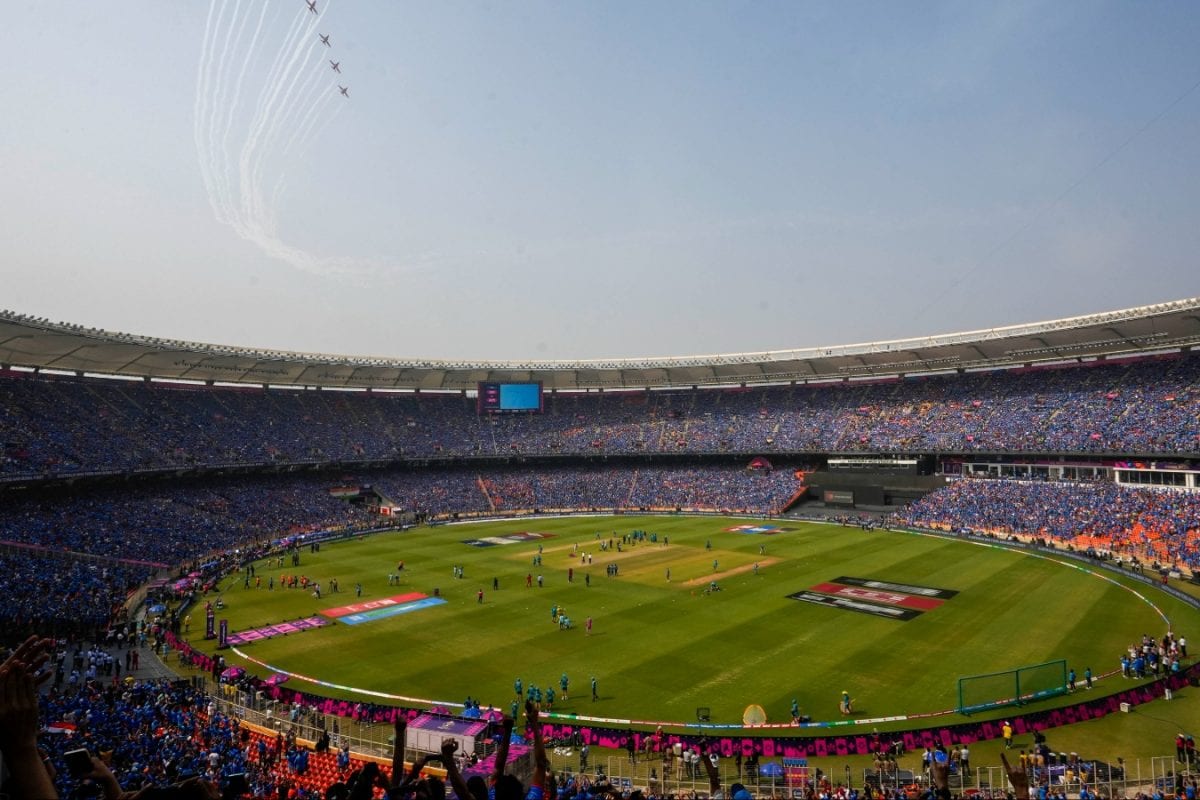
The stage is set for a high-octane finale: India and New Zealand will contest the 2026 T20 World Cup final at the Narendra Modi Stadium on a pitch described as flat, with a par score of 200. Expect batting to dominate, big totals to be in play, and a crowd hungry for fireworks.
Pitch report — what a “flat” track with a par of 200 means
A flat pitch usually offers true bounce and pace with minimal assistance for seamers or turn for spinners. When ground staff peg the par score at 200 in a T20 at Narendra Modi Stadium, it signals a wicket where batters can score freely provided they time their shots. In simple terms: 200 is the score a competitive team would look to reach or surpass.
- Consistent bounce: Ball comes on to the bat well, which helps stroke-play and timing.
- Minimal lateral movement: Fast bowlers will get less swing or seam movement, especially early on.
- Spin impact reduced: Spinners may be used more for control and variation than wicket-taking via big turn.
How the toss could influence the final
On a flat wicket the toss is less likely to decide the match than on a lively surface, but it still matters. Captains will weigh two main factors:
- Chasing advantage: Knowing a target can shape how aggressively to pace the innings. Many teams prefer to chase in finals for that clarity.
- Dew and lights: If dew is expected in the evening, bowlers might struggle with grip late on, making bowling second more difficult. That could nudge captains toward batting first.
Batting strategies — how India and New Zealand might approach 200
Both sides have shown the ability to build big totals and accelerate late. On a flat track, plans become more about timing the acceleration and preserving wickets early.
- Powerplay intent: Aim for a brisk start—35–50 in the first six overs gives a solid foundation to reach 200.
- Middle overs: Rotate strike, find boundaries, and target weaker bowling matchups to keep the rate up without losing too many wickets.
- Death overs: Clear game plan for the final five overs: bowlers to attack, batters to go big. With a par of 200, teams will look to score 60–80 in the last five overs.
Bowling and fielding — how to restrict totals on a flat track
On a surface favoring batsmen, bowlers must rely on skill and variation rather than pitch assistance.
- Variations are key: Yorkers, slower balls, cutters and well-disguised bouncers will be used to disrupt rhythm.
- Plans for death bowling: Executing precise yorkers and hitting the blockhole will matter more than speed alone.
- Fielding intensity: Save boundaries with alert fielding and ground fielding; saving 5–10 runs can be decisive in a tight chase.
Match-up dynamics — India vs New Zealand
India bring batting depth and explosive power across the lineup, which suits a flat track. New Zealand are known for disciplined bowling, smart field placements and chasing acumen. On a high-scoring wicket, expect tactical battles:
- India will look to leverage their bench of power hitters and variety of bowlers to control phases.
- New Zealand will rely on tight lines, variations and pressure-building to force mistakes and steal overs.
What fans should expect at Narendra Modi Stadium
The Narendra Modi Stadium is a huge venue and on a batting paradise the atmosphere will be electric. Fans can anticipate:
- Big totals and rapid scoring.
- Plenty of sixes and boundary-filled overs.
- A tense, possibly dramatic finish if the chase comes down to the last few overs.
With a flat pitch and a par score of 200, the 2026 final looks set to be a spectacle—fast scoring, tactical chess between bat and ball, and a fitting stage for two top teams to claim the T20 crown.