
The enduring pull of Boxing Day sport
Boxing Day, the day after Christmas, has become synonymous with sport. From the roar of the crowd at the Melbourne Cricket Ground to packed Premier League grounds across England, 26 December is a fixed date in the calendar for fans and players alike. What began as a public holiday tradition has developed into one of the most cherished sporting days of the year.
Where the tradition began
The name “Boxing Day” comes from an old custom of giving boxes — gifts or money — to servants and tradespeople on the day after Christmas, when they would be free from work. Sporting fixtures on 26 December grew from the same idea: it was a day when communities could come together for entertainment after the family celebrations. Over time, clubs and broadcasters realised the value of staging big matches on a day when large audiences were available, and the tradition stuck.
The Boxing Day Test at the MCG
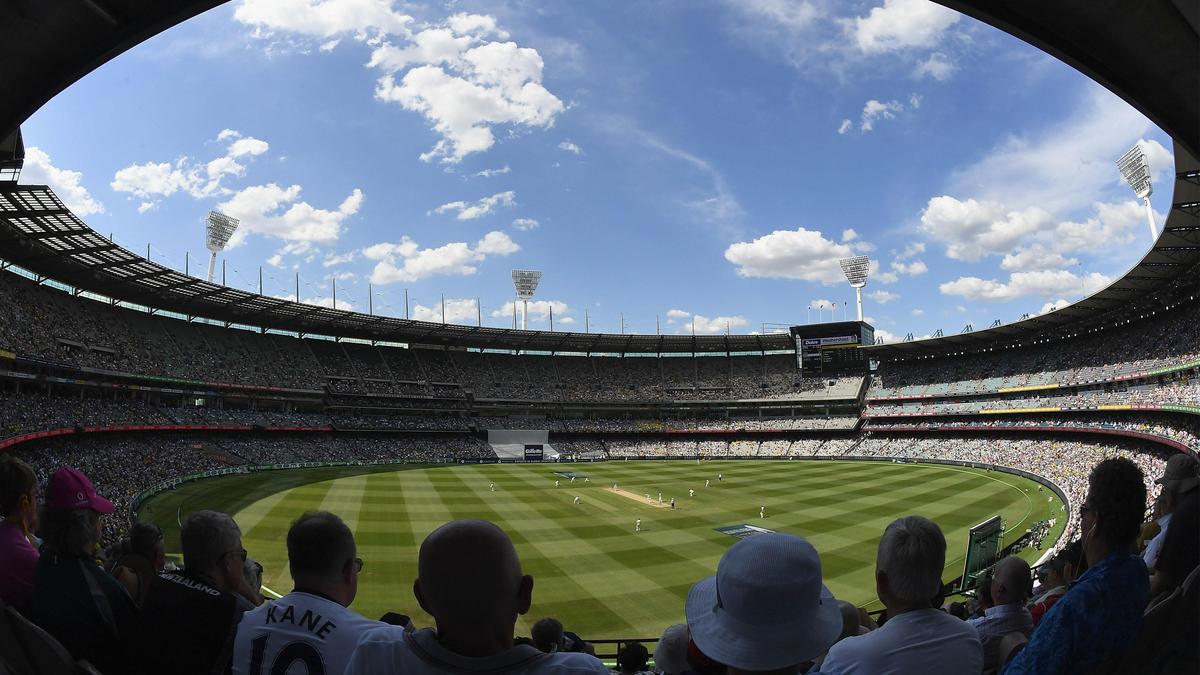
The Boxing Day Test in Melbourne is one of the brightest jewels in cricket’s calendar. Each year the Melbourne Cricket Ground hosts a Test match that draws thousands of fans into a lively, festival-like atmosphere. For many Australians — and touring supporters from overseas — it is a holiday ritual: a chance to watch top-class cricket, enjoy the summer sun and soak up the unique MCG vibe.
- Atmosphere: Expect big crowds, family groups, picnic blankets and cheer squads. The stadium buzz is part sporting spectacle, part festive celebration.
- Significance: The match often features headline series, such as Ashes contests, giving it added weight in a summer of international cricket.
- Television reach: What starts as a local celebration now reaches a global audience, making Boxing Day Test a major broadcasting event.
Boxing Day fixtures in Premier League football
In England, Boxing Day football is as much a tradition as mince pies and seasonal markets. The Premier League and the Football League regularly schedule a full slate of matches, which historically produced exciting local derbies and high-intensity encounters. For fans, Boxing Day fixtures are a chance to keep the weekend momentum going — many towns and cities treat it as a family outing.
- Packed schedules: Teams often face tight fixture lists over the holiday period, which adds drama and tests squad depth.
- Local intensity: Derbies and local rivalries can make Boxing Day matches particularly fierce and memorable.
- Fan ritual: Supporters stream to grounds before and after Christmas celebrations, creating lively and colorful scenes.
Television and modern scheduling
Broadcasters have turned Boxing Day into a prime slot for live sport. While TV coverage has increased the reach of these fixtures, it has also influenced kickoff times and match selection, balancing tradition with commercial priorities.
Other Boxing Day highlights
Sport on 26 December isn’t limited to cricket and football. Boxing Day racing, notably high-profile steeplechases, attracts huge crowds. Rugby clubs and lower-league football teams also schedule fixtures, keeping the sporting calendar busy from morning into evening.
- Horse racing: Big races on Boxing Day draw racing fans and families alike, combining pageantry with competitive sport.
- Rugby and local sport: Community matches and professional rugby fixtures help maintain the festive sporting rhythm across regions.
Why Boxing Day matters — beyond the scoreline
Boxing Day sport matters because it connects communities. It is more than results and rankings — it is about shared experience. Families, friends and supporters come together around matches, making memories that last beyond a single season.
- Tradition: For many, attending a Boxing Day match is an annual ritual.
- Economics: Matches generate significant revenue for clubs, broadcasters and local businesses.
- Entertainment: After the quiet of Christmas Day, sport provides a welcome, communal burst of excitement.
The modern evolution of a classic day
Boxing Day sport has evolved with changes in broadcasting, player welfare and global calendars. Fixture congestion, player rotation, and expanded international audiences have changed how the day feels at the ground and on television. Yet the core idea remains intact: sport on Boxing Day is a public celebration.
Tips for fans planning a Boxing Day outing
- Book tickets and travel early — demand can be high for big fixtures.
- Dress for the weather and plan for crowds, especially at popular venues.
- Arrive early to soak up pre-match atmosphere and avoid last-minute queues.
- Check kick-off times and TV coverage; schedules can shift for broadcasting reasons.
Final overs
Boxing Day remains one of sport’s most beloved traditions. Whether it is a Test match under the Melbourne sun or a bruising Premier League derby in front of a packed stadium, the games played on 26 December carry special meaning. They weave sport into the holiday fabric — a yearly reminder that great sporting moments are as much about people and place as they are about the final score.