
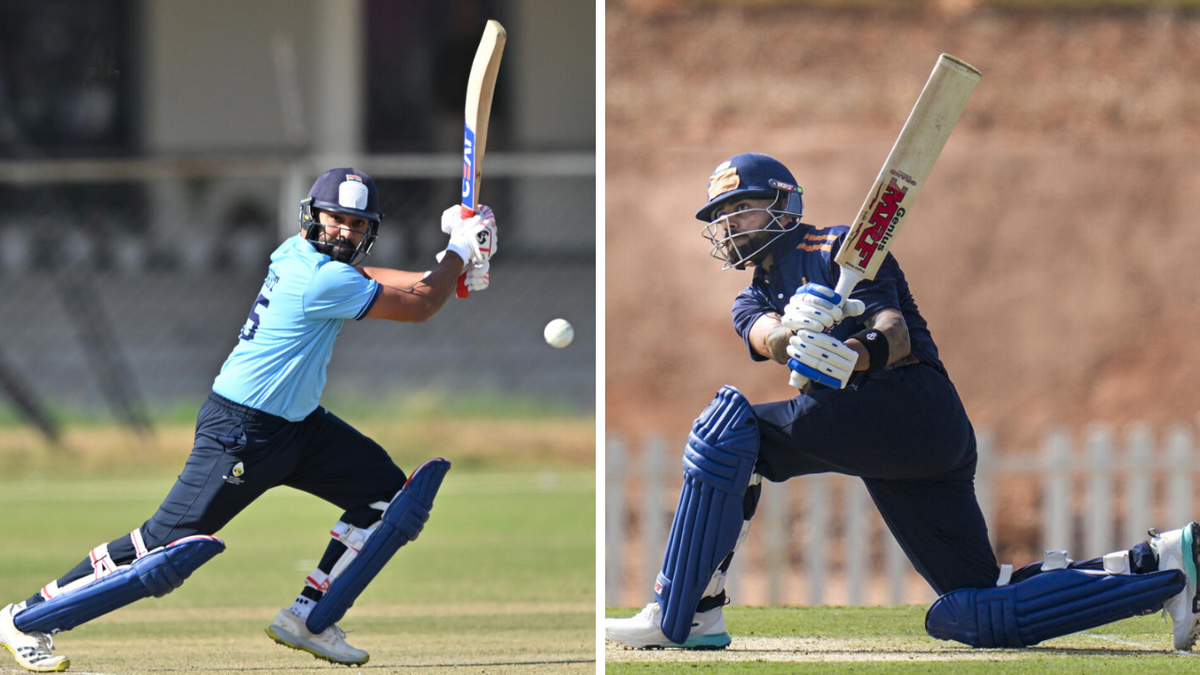
Vijay Hazare Trophy 2025-26 — Second Round: Key Highlights
The second round of the Vijay Hazare Trophy delivered a full plate of entertainment: big scores, late twists, bowling masterclasses and a handful of surprise results. Matches were played across the country and several teams strengthened their early-season credentials while some favorites were reminded of the unpredictability of 50-over cricket.
Batting fireworks and match-defining innings
Across venues, batters put on aggressive displays. There were a handful of sparkling centuries and several power-packed fifties that put teams in commanding positions. What stood out was the balance between positive intent and smart strike rotation — many recorded innings mixed boundary hitting with well-timed singles to keep run rates climbing.
- Fast starts: Several openers attacked from ball one, using short powerplays effectively to lay the foundation for big totals.
- Middle-order rescue acts: When early wickets fell, experienced middle-order players rescued their sides with calm, calculated knocks.
- Death overs impact: Teams that finished strongly in the last 10 overs frequently turned competitive totals into match-winning scores.
Bowling masterclasses and early-season rhythm
While batters grabbed headlines, bowlers also had their share of moments. Pace bowlers struck early with disciplined new-ball spells, and spinners kept batsmen in check on slower tracks. Several seamers produced late movement and yorkers at the death, while leg-spinners tossed up wickets with clever variations.
- Wicket-taking spells: A few bowlers grabbed four- or five-wicket hauls that changed the course of matches, especially on wickets offering assistance.
- Control and economy: Teams that combined wicket-taking with tight overs choked opponents and built pressure throughout innings.
- Powerplay bowling: New-ball tactics — whether short and aggressive or probing and line-focused — paid dividends for several outfits.
Close finishes and memorable upsets
There were games that went down to the wire, with run chases decided in the final over or last ball. These tight contests produced memorable moments: clutch finishing, nervy fielding efforts, and tactical moves that ultimately tipped the balance.
Upsets were another talking point. A couple of underdog teams used fearless batting or disciplined bowling to topple stronger sides, reminding everyone that domestic one-day cricket is fertile ground for surprises.
Emerging talents grabbing the spotlight
One of the more encouraging trends was the emergence of young players stepping up on big days. Debutants and fringe players took responsibility with both bat and ball, showing temperament and skill under pressure. These performances are likely to turn heads and add intrigue to selection conversations as the tournament progresses.
- Young batters displayed maturity in building innings and finishing chases.
- Fresh pacers generated pace and bounce, troubling established domestic batters.
- Spinner contributions included tight middle-overs spells that stemmed the flow of runs.
Conditions, pitches and tactical nuances
Pitch behavior varied significantly from venue to venue. Some grounds offered true bounce and pace, favoring seamers, while others slowed up and favored spinners or batting patience. Captains were quick to adapt, with field placements and bowling changes reflecting local conditions.
Weather interruptions played a role in a few matches, forcing revised targets under Duckworth-Lewis-Stern calculations and adding another layer of strategy for teams managing overs and wickets.
Standout team performances and what they mean
Teams that combined a deep batting lineup with a potent bowling attack found early success. Balance — having both reliable top-order scorers and wicket-taking options across pace and spin — looked like the most sustainable formula in this round.
For teams that stumbled, the second round offered lessons in finishing power, middle-order reinforcement, and death-over management. The next rounds will test whether sides can translate promising spells into consistent results.
Looking ahead: what to watch in the next round
- Consistency from standout players: Can the newcomers and top performers maintain form, or will bowlers find ways to counter them?
- Team balance: Will teams that relied on individual brilliance evolve into balanced units capable of sustained success?
- Pitch and weather factors: How will changing conditions affect strategies, particularly in rain-affected or slow-turning wickets?
The Vijay Hazare Trophy’s second round was a reminder of why the domestic one-day circuit remains a vital breeding ground for talent. With momentum shifting quickly and several teams still finding their best XI, the coming rounds promise more drama, individual breakthroughs and tactical battles as sides jostle for supremacy.