
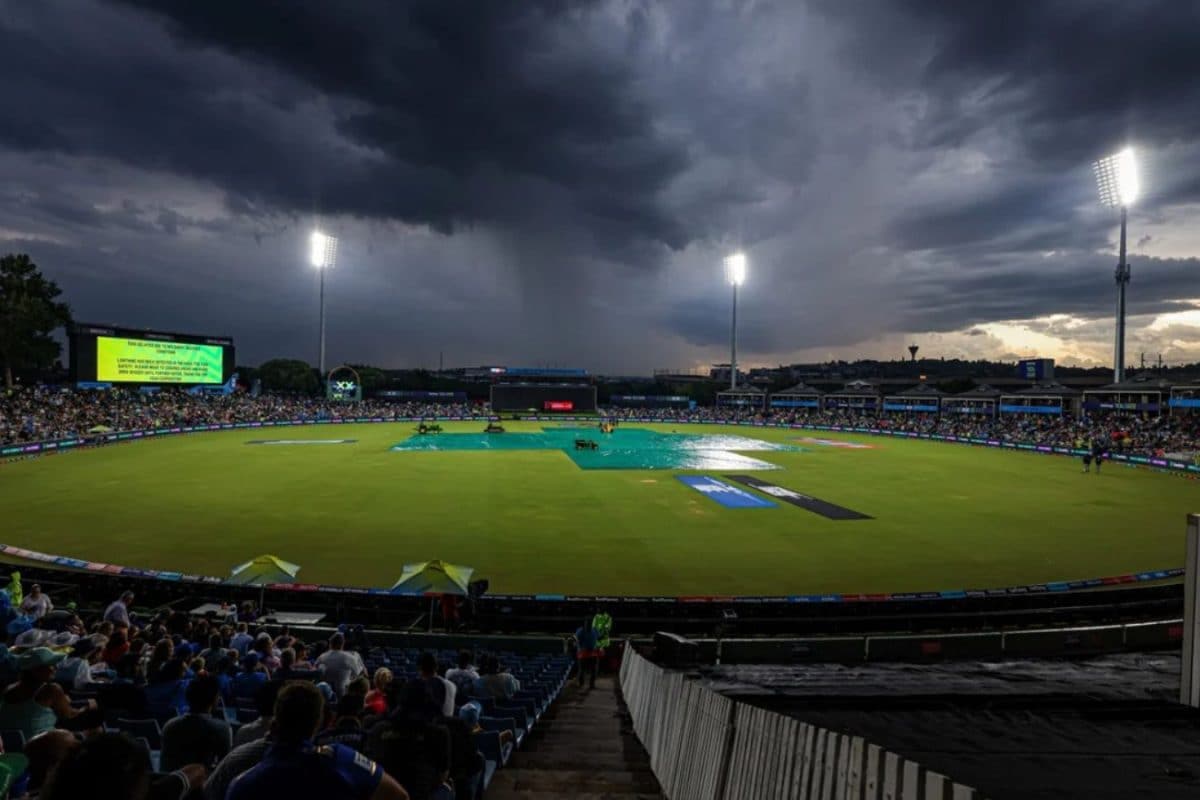
SA20’s December switch met with unseasonal rain but optimism remains
The SA20’s move to a December 2025 window has started on a stormy note. Several fixtures have been affected by unexpected rain, forcing organisers and venues to juggle curfews, covers and revised playing plans. Still, the competition’s leadership — including former South African captain Graeme Smith — are upbeat, pointing to a sharp rise in viewership and fan interest as signs that the tournament is growing in stature.
Weather disruptions: what’s happened so far
South Africa’s summer can be unpredictable in parts, and this year a string of unseasonal downpours has caused interruptions at a few match venues. Teams and ground staff have battled with wet outfields and repeated delays, while broadcasters and cricket boards have had to be flexible with running times.
- Matches have been delayed or reduced in overs under the Duckworth-Lewis-Stern (DLS) method where play could resume.
- Some fixtures faced late starts as groundsmen worked to get pitches and outfields ready after heavy rain.
- Organisers have been relying on contingency plans, including reserve days and adjustments to scheduling where possible.
Impact on players, fans and broadcasters
Players have had to adapt to stop-start match situations and tighter recovery windows between games. For travelling supporters, last-minute changes or washouts can be frustrating, but many venues reported spirited crowds whenever play was possible.
Broadcasters and streaming platforms have also had to manage disrupted feeds and revised match lengths, though the overall appetite for SA20 coverage appears strong.
Graeme Smith stays positive amid the interruptions
Despite the weather setbacks, Graeme Smith has struck an optimistic tone about the competition’s trajectory. He points to rising viewership figures and growing engagement as evidence the tournament is resonating with cricket fans both locally and internationally.
Smith and other organisers see these early teething issues as part of scaling a high-profile event. Their focus has been on ensuring that match-day operations become more robust — from better drainage and pitch protection to clearer contingency protocols — so the competition can run smoothly even when the weather is tricky.
Why viewership is rising
The SA20’s move to December was intended to position the league in a slot that can attract better international attention and player availability. Combined with strong team brands, recognizable coaches and international stars, the league has drawn new viewers to TV and streaming platforms.
- Prime-time scheduling in key markets has helped boost live audiences.
- Improved broadcast packages and digital streaming have made it easier for fans worldwide to follow matches.
- Social media engagement and match highlights have amplified interest between fixtures.
Looking ahead: practical steps and the bigger picture
Organisers are reviewing the early disruptions and exploring practical fixes. That includes investing in better ground infrastructure, refining fixture slots to account for local weather patterns, and considering more reserve days for high-profile matches.
Longer term, the SA20’s growing viewership sends a clear message: the tournament is on the rise. Weather will always be a factor in outdoor sports, but with improved planning and continued investment, the league’s momentum looks set to continue.
What fans should expect
- Expect some fixture changes or short-notice updates during wet weather periods.
- Check official channels on match day for the latest start times and any reserve-day information.
- Be reassured that organisers are taking steps to protect both the quality of the cricket and the fan experience.
For now, the SA20 is managing early challenges and riding a wave of increased attention. If organisers can marry stronger contingency planning with the current surge in viewership, the competition could solidify its place on the global T20 calendar.