
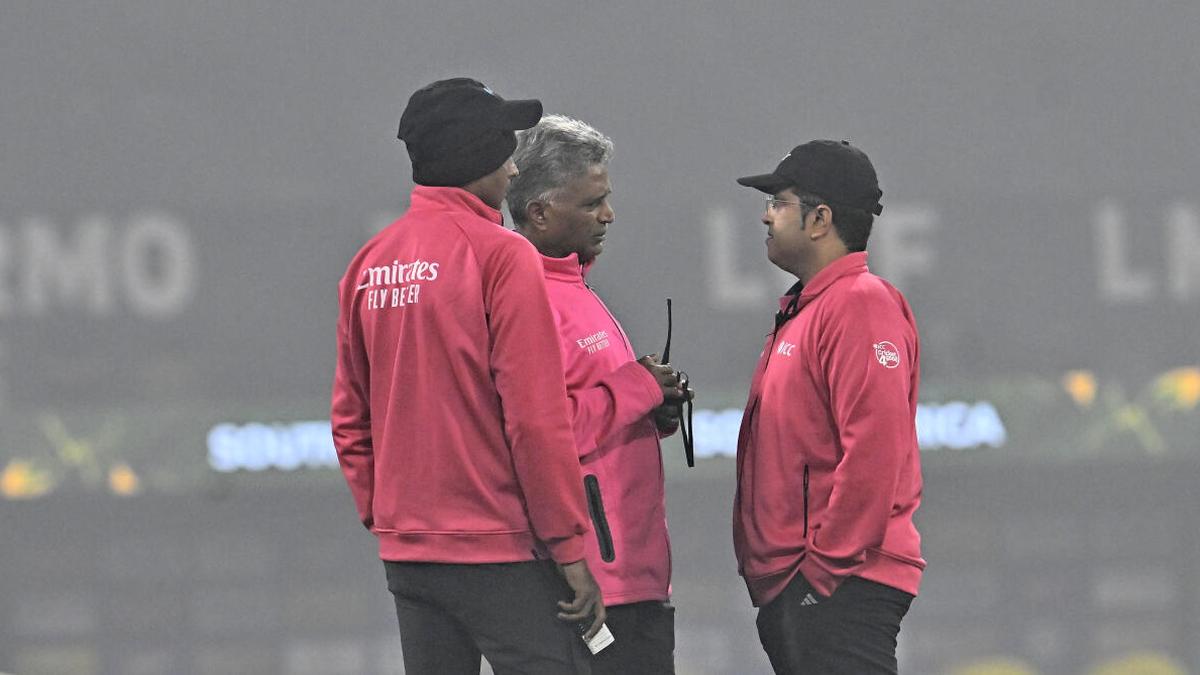
Umpire Pandit had a scare during his 12th T20I appearance when he suddenly went down in pain, briefly halting play. After a short interruption while medical staff and match officials checked on him, Pandit was able to continue officiating and the game resumed.
What happened on the field
Standing on the field in his 12th T20 international match, Pandit appeared to be in discomfort and fell to the ground, prompting an immediate stop in play. The break was short and careful — officials made sure he received attention before the contest continued with him remaining on the field.
How match officials respond to on-field incidents
When an on-field official shows signs of distress, standard practice is to halt play and allow medical staff and fellow officials to assess the situation. Backup officials and support teams are always available, so the game can continue safely whether the on-field umpire rests briefly or is replaced if necessary. In this case, Pandit was assessed and cleared to keep officiating.
Why this matters
- Umpire fitness: Cricket umpires cover a lot of ground and must be fit to handle the fast pace of T20 cricket. Brief incidents like this highlight the physical demands of the job.
- Experience milestone: Standing in a 12th T20I shows Pandit is establishing himself at the international level, and managing such moments is part of that learning curve.
- Match integrity: Quick and calm action by medical and match officials helps preserve the flow and fairness of the contest while prioritizing safety.
Looking ahead
Pandit’s ability to continue after the interruption will be reassuring to organisers and fans. Umpires are routinely monitored for fitness, and any follow-up checks or rest will be handled by the match and team medical staff. For now, the focus remains on the cricket and on ensuring all officials are fit and supported throughout the fixture.