
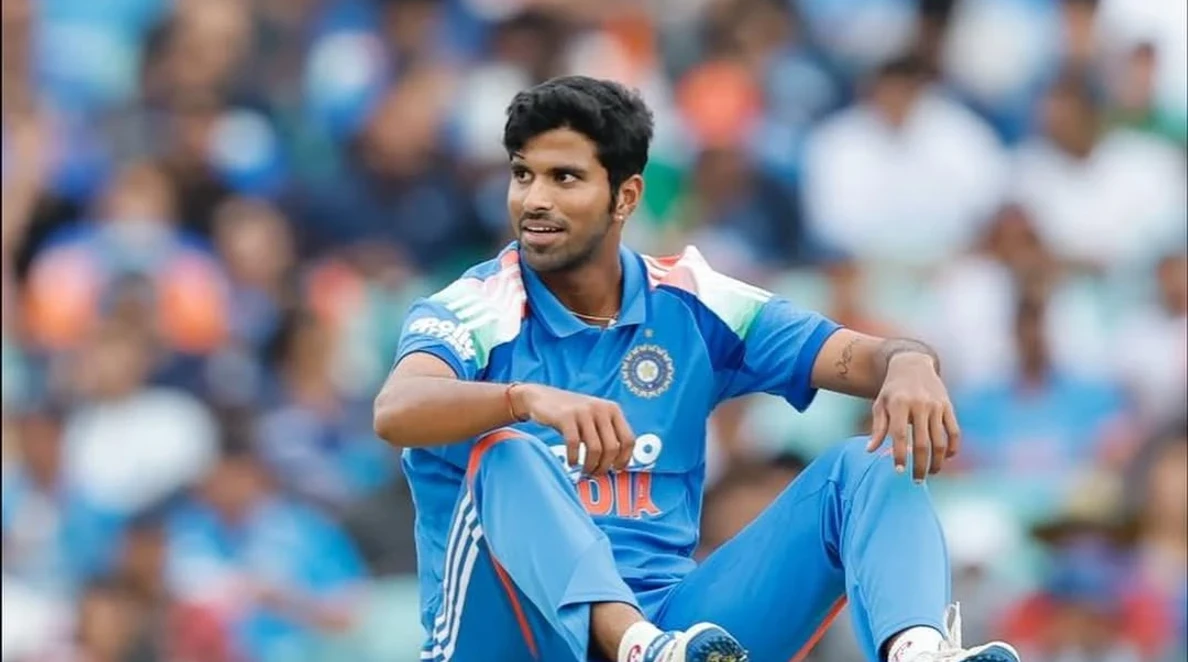
India’s preparations for the 2026 T20 World Cup have taken a fresh hit after Washington Sundar was ruled out of the ongoing ODI series against New Zealand with a rib injury. The off-spin bowling all-rounder hurt his ribs in the first ODI at Kotambi Stadium, Vadodara, and will miss the remainder of the series while the Board of Control for Cricket in India (BCCI) seeks expert medical advice and monitors his recovery closely.
What the Injury Means Right Now
For the immediate ODI series, Sundar has been replaced by Ayush Badoni, who is likely to make his India debut. While Badoni provides a short-term fix, Sundar’s absence raises bigger questions about the balance of India’s T20 squad. Sundar’s ability to bowl off-spin and bat in the lower middle order makes him a flexible, modern T20 option — and losing that versatility complicates selection choices with the World Cup on the horizon.
Why Washington Sundar Is a Key Asset
Sundar brings a rare combination: off-spin control, useful pace-of-balls variation, and the ability to anchor or accelerate with the bat in pressure situations. India already has Axar Patel as a left-arm spin/all-round option, but Sundar’s right-arm off-spin and batting profile are not easily replaced. If he is unavailable for the T20 World Cup, team management will face a clear trade-off between replacing like-for-like or rebalancing the squad toward either more batting depth or different types of bowling.
Top Five Candidates to Replace Sundar in a T20 World Cup Squad
Here are five realistic options India might consider, each bringing a different balance to the side.
Riyan Parag
Parag adds power-hitting lower down the order and can bowl off-spin when called upon. His ability to change momentum with quick-fire batting makes him attractive for a T20 World Cup role. The concern is match fitness — he has not bowled much recently and has been away from competitive cricket since early December — but his batting upside and occasional spin give selectors an intriguing all-round profile.
Ayush Badoni
Badoni is a natural fit for the modern T20 template: a calm middle-order batter who also offers handy off-spin. Though inexperienced at international level, his temperament in pressure situations stands out. If selectors prefer continuity with the ODI call-up and want a like-for-like back-up, Badoni is a sensible short-term and potentially long-term pick.
Vipraj Nigam
For a different spin option, Vipraj Nigam presents himself as a right-arm wrist-spinner who can contribute with the bat lower down. Adding a wrist-spinner would diversify India’s spin attack and bring a different kind of deception on turning tracks and in the middle overs. He fits the bowling-all-rounder slot and could be useful in specific match-ups.
Nitish Kumar Reddy
If selectors prefer more seam depth and the ability to cover for players like Hardik Pandya or Shivam Dube, Nitish Kumar Reddy is an appealing choice. A pace-bowling all-rounder increases the team’s seam-bowling resources and provides batting depth, offering balance in conditions that favour pace or when a seam-heavy bench is needed.
Shreyas Iyer
Going the specialist batter route is another logical path. Shreyas Iyer brings experience and middle-order stability, particularly valuable if the selectors feel batting form and injuries are bigger concerns than spin balance. A fit and firing Iyer could steady the innings and act as a senior figure in pressure games, even if he does not cover Sundar’s spin bowling role.
Selection Dilemma: Balance vs. Depth
The central question for the selection committee becomes whether to replace Sundar with another all-rounder who bowls off-spin, or to shift squad construction entirely — prioritising batting depth or variety in bowling. The situation is compounded by niggling injuries elsewhere; Tilak Varma is also nursing a problem, which tightens options in the middle order.
Choosing a like-for-like replacement keeps tactical flexibility intact, but selecting a specialist batter or a different type of all-rounder could strengthen other areas depending on expected conditions. With the T20 World Cup approaching, the margin for error is small and each selection must weigh conditions, match-ups, and contingency planning.
What Comes Next
BCCI and team management will continue to monitor Sundar’s recovery and will seek specialist medical opinions before making any long-term calls. In the near term, Ayush Badoni’s inclusion gives the side an immediate alternative. For the World Cup squad, though, selectors will need to balance short-term cover with a clear strategy for team composition under different scenarios.
In the end, the decision will reflect India’s broader approach to the T20 World Cup — whether they back flexibility through bowling all-rounders, or shore up batting and adapt the bowling mix to suit match conditions. For now, Sundar’s injury is a reminder of how quickly plans can change and how crucial depth and contingency are in international cricket.