
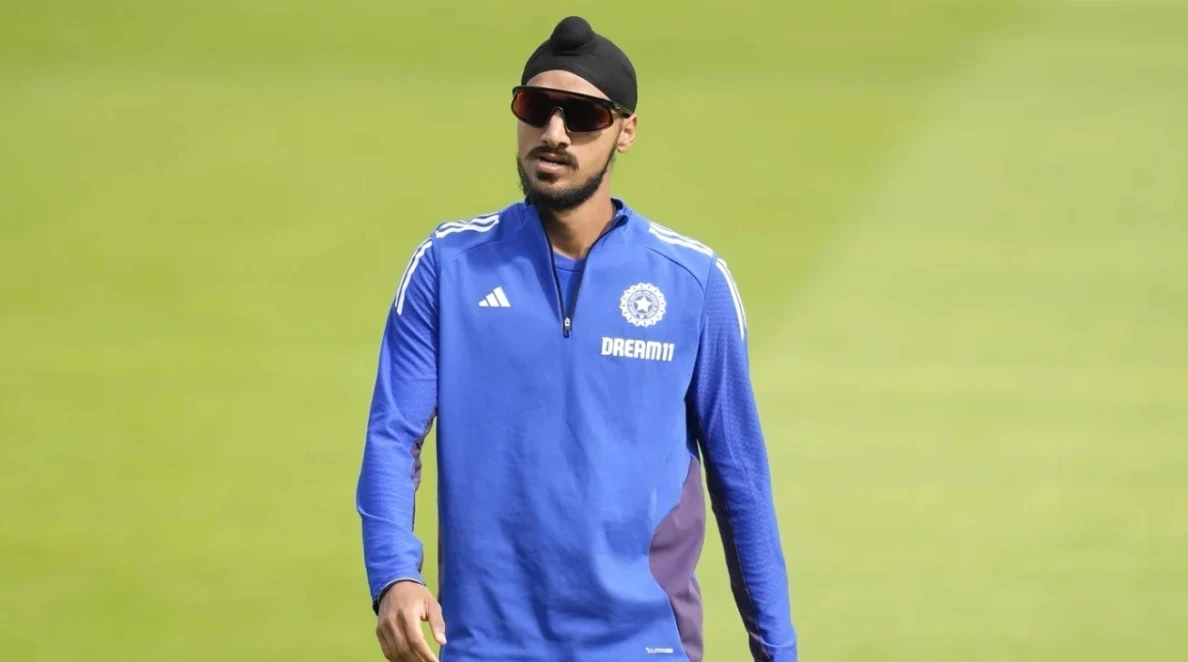
India and New Zealand meet in a winner-takes-all third ODI at Holkar Cricket Stadium, Indore, on January 18. The series is locked at 1-1 after Virat Kohli’s superb century helped India win the first match at Vadodara, while New Zealand bounced back in the second game thanks to a match-winning display from Daryl Mitchell. With the trophy on the line and plenty at stake for both sides, India must rethink its bowling strategy — and Arshdeep Singh could be the solution.
Match context: why this game matters
The decider is about more than one series point. India’s seamers have looked predictable and occasionally blunt in the first two ODIs. New Zealand posted 300 in the opener and comfortably chased 285 in the second, underlining flaws in India’s attack that the visitors have exploited. With only one 50-over fixture left before a busy international calendar, the selectors need to balance immediate results with longer-term planning.
3 reasons why India should pick Arshdeep Singh for the 3rd ODI
1. Add a left‑arm option and more variation
India’s pace attack in this series has consisted entirely of right‑arm quicks — Mohammed Siraj, Prasidh Krishna and Harshit Rana. All three bring pace and aggression, but three same‑handed bowlers can become predictable, especially when opposition batters are set.
Arshdeep’s left‑arm angle changes the visual and tactical cue for batters. He can shape the ball across right‑handers and bring it back into lefties, making it harder for openers like Devon Conway and Henry Nicholls to settle during the powerplay. A left‑arm seamer operating from the other end presents a different trajectory and forces New Zealand to prepare for contrasting lines and lengths throughout the innings.
2. Improved control and death bowling
Across the two matches, Indian pacers struggled to contain runs through the middle overs and at the death. In Vadodara the bowlers allowed New Zealand to post a big total, and in the second game there was little penetration when defending a chase. That lack of clinical bowling has cost India crucial momentum.
Arshdeep is known for his tight control, especially in the closing stages of an innings. His yorkers and well‑disguised slower balls are effective death‑over weapons. Introducing a bowler who can consistently execute those variations could help India stop the flow of runs and create chances when it matters most.
3. Preparing for the future while winning now
While the immediate priority is winning the series decider, this match is also a rare opportunity to test players in the 50‑over format ahead of major tournaments. Arshdeep has built a strong reputation in T20 cricket and recently became one of India’s quickest wicket‑takers in the format, but his ODI experience is limited.
Giving him a chance in Indore would help him adapt to longer spells and different match situations. That exposure will be valuable not only for the remainder of this season but for India’s broader plans as selectors begin to shape squads for the T20 World Cup and eventually the 2027 ODI World Cup.
What Arshdeep’s inclusion could change
Picking Arshdeep would provide immediate tactical variety and address the team’s death‑bowling concerns. It would also signal a forward‑looking approach from selectors — blending experienced campaigners with bowlers who can serve multiple formats. In a decider at a packed Holkar Stadium, that extra variation could be the edge India needs.
For a series that has already swung both ways, the third ODI is ideal for a bold selection move. Arshdeep Singh offers the kind of balance and skill set that could win India the match and help build depth for the months ahead.