
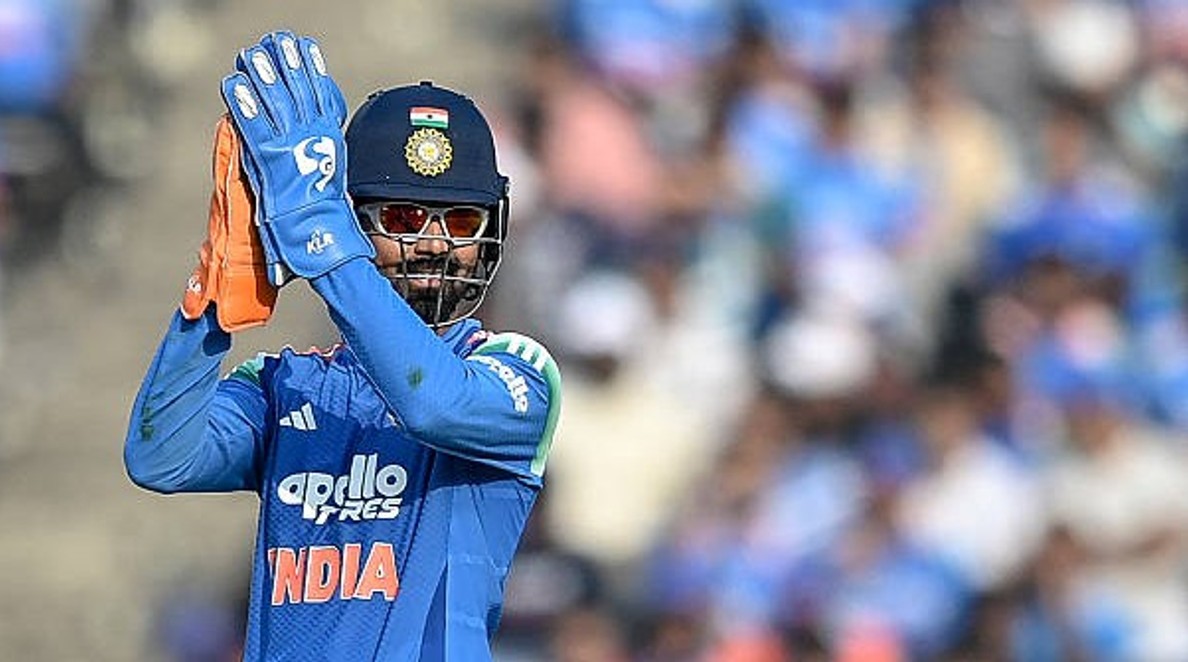
The second ODI between India and New Zealand will be played at Niranjan Shah Stadium in Rajkot on Wednesday, January 14. India lead the three-match series 1-0 after a four-wicket win in Vadodara and arrive in Rajkot as clear favourites. Still, conditions and smart tactics could decide whether India close out the series or New Zealand fight back.
Pitch and conditions: another batting surface in Rajkot?
Rajkot has a reputation for being batting-friendly. The last ODI at this ground saw a near-350 total posted, and the surface in Vadodara — where New Zealand’s part-time spinners struggled for grip — suggests the Kiwis’ spin trio may again find little assistance.
That makes this a ground where runs are on offer, but also where bowling plans and match-ups matter. If India can impose themselves early, they can control the contest; if they leave scoring opportunities, New Zealand’s hitters can always punish.
India must capitalise on New Zealand’s spin
In Vadodara, players like Adi Ashok, Michael Bracewell and Glenn Phillips did not enjoy much success because the pitch offered limited turn or grip. Rajkot looks set to offer similar batting conditions, so India should aim to apply the same pressure on the Kiwi spin attack.
- Start strongly against the part-timers: New Zealand’s bowling options include seamers and spin-bowling all-rounders. India’s batters need to take charge early against those bowlers rather than let the Kiwis grow into the game.
- Target experience gaps: Young or inexperienced bowlers can be unsettled by an attacking batting approach. India should look to rotate strike and punish loose balls from the outset.
Use Ravindra Jadeja smartly — bowl him earlier
Ravindra Jadeja’s left-arm spin and variation are assets that can be used more proactively in Rajkot. In the first ODI he had to wait for the right-hander-heavy phase to bowl, but this match offers a chance to deploy him earlier in the middle overs.
- Jadeja’s quicker deliveries can produce awkward inside-edge chances and make sweeping harder for batsmen.
- Bowling a portion of his spell in the early middle overs could break partnerships and stop the Kiwis from settling.
- It’s also an opportunity for Jadeja to reaffirm his role as a frontline bowling option, particularly with competition from Axar Patel for a spot in the XI.
Batting order: move KL Rahul back to No. 5
Washington Sundar’s injury opens a middle-order slot, and India must pick between Ayush Badoni or Nitish Kumar Reddy. One clear tactical call is to slot KL Rahul at his preferred No. 5 position.
Rahul has struggled to make his best impact coming in later at No. 6. He is a player who builds an innings and benefits from a few overs to settle. At No. 5 he can absorb pressure against both pace and spin, and play a longer, more controlled role.
- Suggested middle-order structure: KL Rahul at No. 5, Badoni or Reddy at No. 6, and Jadeja at No. 7 to protect the lower middle from spin threats like Bracewell and Phillips.
- This order also gives India flexibility to accelerate in the last 10 overs while keeping a steady anchor in the middle.
Final thoughts
India start as favourites in Rajkot, but the match will be won by the side that uses tactics better. Applying early pressure to New Zealand’s spin, using Jadeja at the right times, and placing KL Rahul where he can be most effective are small but important moves that could decide the series.
Expect an intriguing contest where execution — more than raw talent — will determine whether India close out the series 2-0 or New Zealand stage a comeback.