
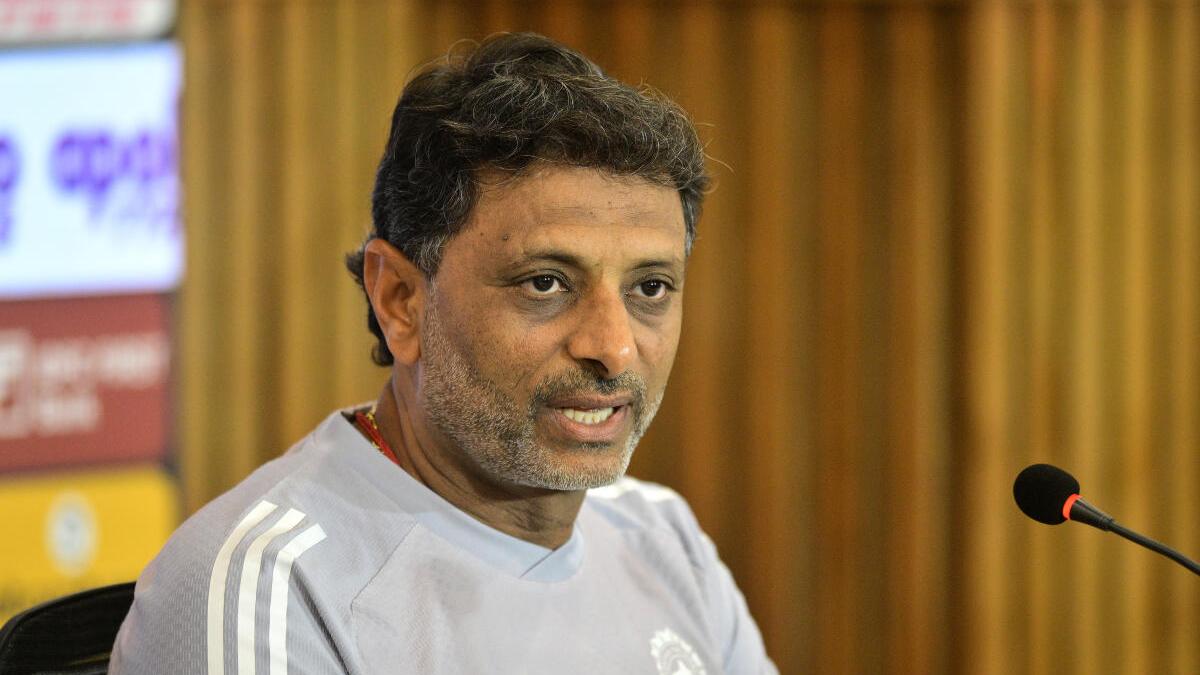
India’s batting coach Sitanshu Kotak has acknowledged that the predominance of left-handers in the top order is something the management is watching closely ahead of the game against Zimbabwe. His admission signals that team selection may not be fixed and that balance in the playing XI could be adjusted to counter opposition plans and match conditions.
Why left-handedness at the top matters
Left-handed batters bring valuable variation, but a top-heavy cluster of same-handed batters can also create predictable match-ups. Opponents plan their bowling, field placements and match-ups around the handedness of the batters, and an excess of left-handers may give the bowling side scope to exploit angles, set attacking fields or rotate bowlers to gain an advantage.
Bowling match-ups and tactical adjustments
- Pace and angle: Right-arm bowlers often alter their lines to challenge left-handers, using inswingers or cross-seam angles that nip one way or the other. If several top batters are left-handed, bowlers can stick to a consistent plan and build pressure.
- Spin considerations: Spinners change trajectories and footmarks depending on the dominant hand they are targeting. A left-heavy top order may encourage the opposition to bring on bowlers with specific turning angles or to use fielders strategically.
- Field settings: Captains can set more aggressive fields if they know they only need to defend a single type of angle. Switching between left and right batters often forces field reshuffles and can disrupt a bowling plan.
How that influences selection
Coaches and selectors try to build flexibility into the XI so the team can respond to different match-ups. Kotak’s comment suggests the selectors will weigh handedness as one of several factors — along with pitch conditions, opposition strengths and the role each player fills — when finalising the squad.
What changes India might consider
While Kotak didn’t name players, here are practical options the management could explore to bring balance without weakening the side:
- Introduce a right-handed opener: Bringing in or promoting a right-hander at the top can create the left-right combination that breaks bowling rhythms.
- Shuffle the order: Moving a right-handed middle-order batter up the order for one game can force the opposition to rethink plans mid-innings.
- Add a flexible all-rounder: Picking a player who can bat in multiple positions and offers bowling options gives the captain more on-field flexibility.
- Match-up based selections: Selecting based on the likely bowling attack Zimbabwe will field — for example, prioritising players who handle a particular type of spinner or seamer well.
Context matters: pitch, conditions and opposition
Decisions on handedness and balance rarely happen in isolation. The final playing XI will depend heavily on the pitch, weather, and the opponents’ bowling combination. A dry, turning surface might make left-right balance less of a priority than picking batters who play spin well. Conversely, if Zimbabwe plan to open with a particular type of seamer or a specialist who troubles lefties, the management may lean toward a more mixed top order.
Flexibility is the key
Kotak’s admission underlines a pragmatic approach: the team will adapt rather than stick rigidly to one template. Modern limited-overs cricket rewards squads that can change quickly to exploit weaknesses or counter threats. Fans can expect India to remain flexible with their XI — looking for the best mix of handedness, skill sets and tactical options for each match against Zimbabwe.