
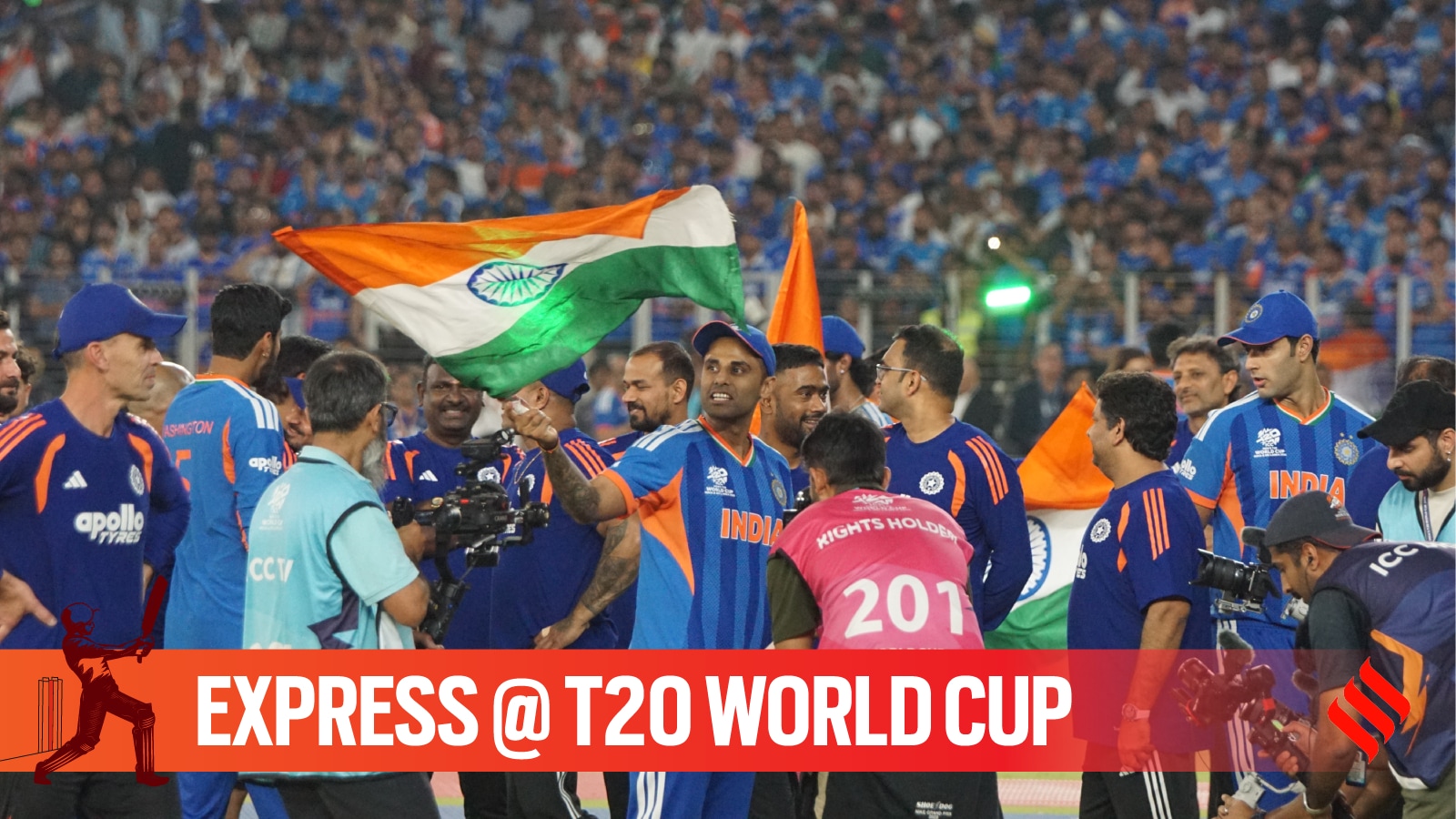
The T20 Revolution: How Short-Form Leagues Are Reshaping International Cricket
Cricket has changed faster in the last decade than in any other period of its history. The global rise of T20 leagues — led by the Indian Premier League (IPL) and followed by competitions such as the Big Bash League, Pakistan Super League and Caribbean Premier League — has altered the sport’s finances, formats, and even the way players approach batting and bowling. Fans love the excitement, broadcasters love the ratings, and players often love the money, but this shift brings both benefits and challenges for international cricket.
More Money, More Opportunities
T20 leagues have created new earning routes for players from all countries. Young talent can earn life-changing contracts early, while established stars gain chances to play in different conditions and learn from international teammates. For many players from smaller cricketing nations, franchise leagues offer exposure and financial stability that domestic or international cricket alone cannot match.
- Financial security: High salaries and shorter commitments mean players can sometimes earn in a single season what took years in the past.
- Skill development: Sharing locker rooms with global stars improves technique, fielding, and mental toughness.
- Visibility: Strong performances in leagues can lead to national selection and endorsement deals.
Pressure on International Schedules
As more franchises compete for limited calendar space, national boards face tough choices. Players are often asked to choose between lucrative league contracts and national duties. This has led to packed international schedules, more white-ball series, and occasional clashes that force boards to negotiate windows or grant players rest periods.
- Player workload is a key concern: continuous travel and back-to-back tournaments increase the risk of injuries.
- Boards try to protect marquee international fixtures, but scheduling tension is likely to continue as leagues expand.
What It Means for Test Cricket
One of the most debated topics is the impact of T20 on Test cricket. Many observers worry that growing interest in short formats could erode the audience and talent pool for the red-ball game. At the same time, some players use T20 earnings to fund longer pursuits, including Test cricket, and boards have introduced initiatives like the World Test Championship to keep Tests relevant.
Maintaining a healthy balance will require careful planning from national boards, international councils, and players themselves. Protecting key Test windows, rotating players sensibly, and highlighting the unique appeal of Test cricket are all part of the solution.
Changes in Technique and Tactics
T20 cricket has influenced how the game is played at every level. Batsmen are now more inventive, using new shots and power strategies even in longer formats. Bowlers have developed specialized skills — slower bouncers, variations in pace, and pinpoint yorkers — to survive and succeed in high-pressure overs.
- Coaches place greater emphasis on fitness, agility and power-hitting across formats.
- Bowlers focus more on variations and death-overs skills, which can also benefit limited-overs internationals.
- Fielding standards have improved markedly thanks to the demands of T20 intensity.
Fans and Formats: What the Public Wants
Audiences today have a wide appetite for cricket. Some fans prefer the spectacle and quick results of T20, while others remain loyal to the strategy and drama of Tests and ODIs. Broadcasters and boards that can offer a well-rounded calendar — a mix of formats, clear marquee events, and moments that matter — tend to keep the broadest fan base engaged.
Possible Solutions and the Road Ahead
To keep all forms of cricket healthy, stakeholders are exploring several steps:
- Agreeing on protected international windows so major leagues and national fixtures do not collide.
- Using central contracts and rotation policies to manage player workloads.
- Promoting the unique value of Tests and ODIs through marketing and storytelling.
- Creating clear pathways for young players to balance franchise opportunities with national ambitions.
The sport is at an inflection point. The T20 revolution has already transformed cricket’s economics and playing styles, and that change is not going away. The challenge now is to make sure the sport grows in a way that preserves tradition, protects player welfare, and keeps fans excited across all formats.
Why It Matters
Cricket’s future depends on collaboration between leagues, national boards, players, and the International Cricket Council. When managed well, the T20 boom can fund grassroots programs, improve global competitiveness, and bring new fans to the sport. The goal should be a vibrant cricketing ecosystem where Test afternoons, ODI nights and T20 fireworks each have their place.