
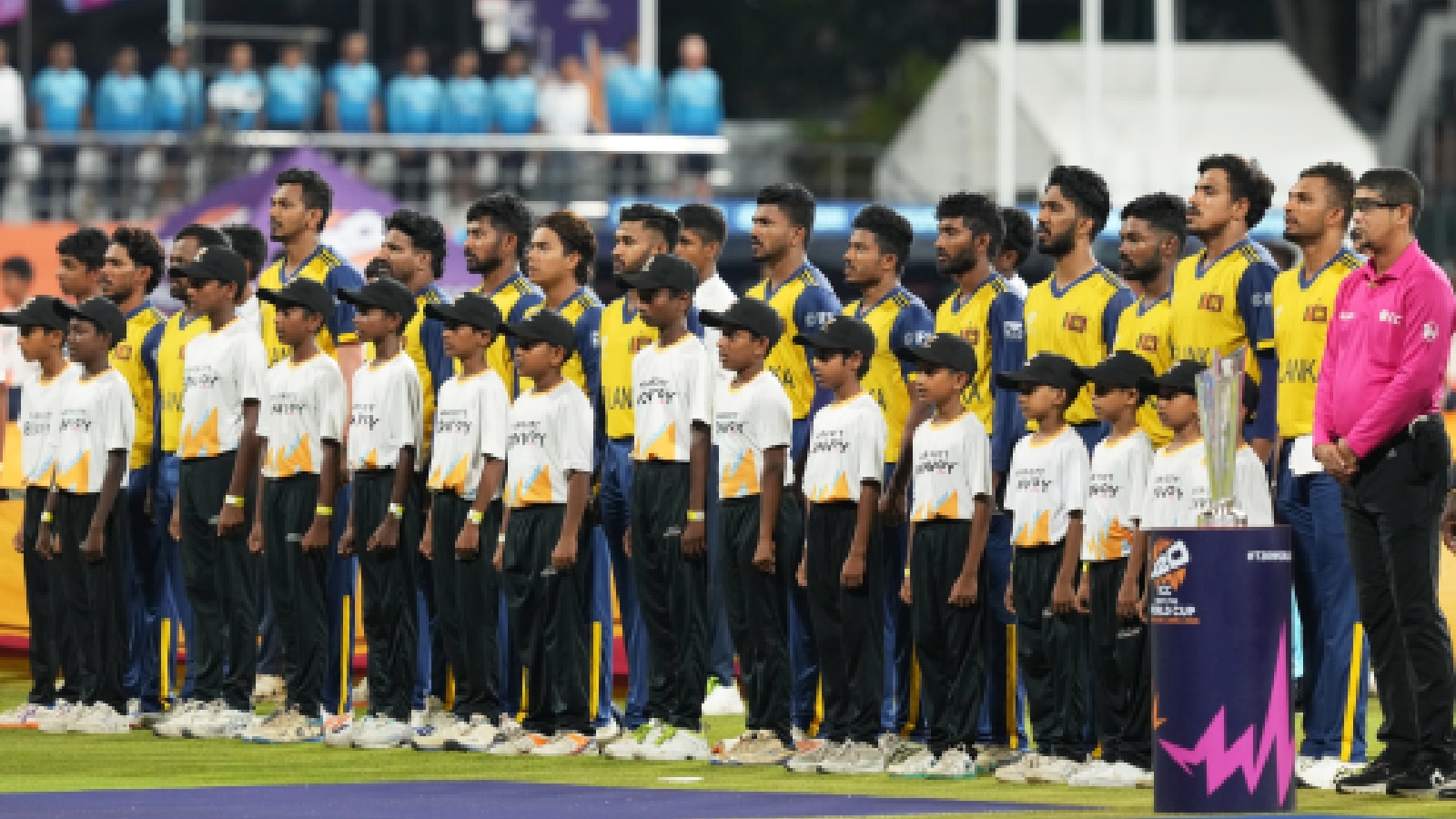
Cricket at a Crossroads: What Fans Should Watch This Season
Cricket is evolving fast. Between expanding T20 leagues, a stronger focus on women’s cricket, and growing debate over player workload and technology, there’s plenty to follow. Here’s a clear, readable rundown of the key trends and talking points that will shape the coming months for players, boards, and fans.
Franchise Leagues Keep Growing — And Changing the Game
Short-format franchise cricket remains the sport’s biggest commercial engine. Tournaments around the world continue to attract top players, big crowds, and major broadcast deals. These leagues bring exciting cricket and new fans, but they also create scheduling challenges for international fixtures.
- Player movement: More cricketers are prioritising T20 leagues for financial stability, which affects how national teams plan their rosters.
- Scheduling pressure: Boards must balance league commitments with Test series and bilateral tours, often leading to conflicts over player availability.
- Talent development: Leagues help unearth new talent — young players get to rub shoulders with international stars and fast-track their development.
Women’s Cricket: Momentum and Milestones
Women’s cricket is no longer a niche. Investment in domestic competitions, better pay, and improved media coverage are accelerating growth. Strong performances in global tournaments and expanded franchise opportunities mean more young girls see a viable path to professional cricket than ever before.
- Visibility: More televised matches and social media coverage are bringing women’s cricket into the mainstream.
- Infrastructure: Improved coaching, fitness programs, and domestic structures are raising standards across nations.
- Commercial appeal: Sponsors and broadcasters are increasingly interested, which feeds further investment.
Test Cricket Still Matters — But Needs Careful Nurturing
Test cricket remains the ultimate measure of cricketing skill, but it competes with packed T20 calendars. Ensuring quality Test cricket requires commitment from boards, broadcasters, and players.
- Scheduling balance: Thoughtful fixture planning can preserve marquee Test series while accommodating modern formats.
- Player rotation: Smart workload management keeps Test specialists fresh and prevents burnout.
- Fan engagement: Innovations in coverage and stadium experiences can help attract a younger audience to longer formats.
Technology and Umpiring: Faster Decisions, Bigger Debates
Technology has improved umpiring accuracy but also sparked debate about the spirit of the game. Tools like ball-tracking and edge-detection are now standard in top-level cricket, but questions remain about access and consistency across competitions.
- Umpire review systems: DRS and related tech help get key decisions right, but variations in implementation can cause confusion.
- Broadcast analytics: Advanced data and visuals enrich the viewer experience and give fans deeper insights.
- Fairness concerns: Not every series or league can afford the same level of technology, which may create uneven playing conditions.
Player Workload and Mental Health
As the calendar grows busier, managing player workload has become a top priority. Boards and franchises are investing more in sports science, rotation policies, and mental health support to sustain long careers.
- Rotation policies: Regular rest periods reduce injuries and extend players’ peak years.
- Mental health: Support systems and open conversations are reducing stigma and helping players cope with pressure.
- Data-driven decisions: Fitness tracking and analytics guide better scheduling and training choices.
Emerging Markets and Globalisation
Cricket is pushing beyond its traditional strongholds. New markets are showing interest, and the game’s global footprint is expanding through youth programs, exhibition matches, and targeted development initiatives.
- Grassroots growth: Investment in coaching and facilities at the grassroots level builds long-term interest.
- Broadcast reach: Wider TV and streaming access makes cricket available to new audiences worldwide.
- International fixtures: More neutral-venue series and short tours help introduce cricket to fresh markets.
What Fans Should Keep an Eye On
For followers who want the latest pulse of the sport, watch these storylines closely:
- How boards balance international commitments with lucrative T20 leagues.
- The rise of young players from domestic leagues into national teams.
- Progress in women’s cricket infrastructure and pay parity.
- Advances in technology and consistent application across competitions.
- New markets hosting high-profile matches and investing in grassroots cricket.
Final Thought
Cricket today is a blend of tradition and transformation. The challenge for administrators, players, and fans is to protect the game’s core while embracing change. When managed well, this balance can deliver exciting cricket, healthier careers, and a broader global audience — all reasons for fans to stay engaged this season.