
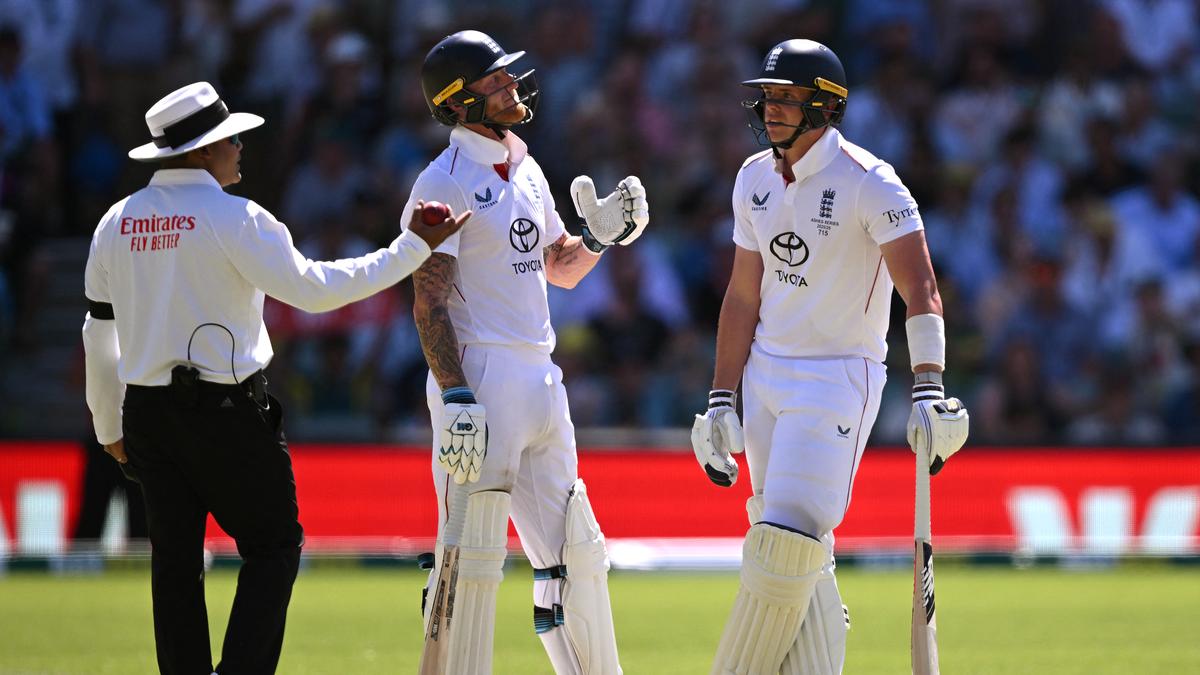
Why Snicko is suddenly in the spotlight
During the current Ashes, a number of players and commentators have questioned edges being called — or not called — when the ball clips the bat. Much of that debate has centred on Snicko, the audio-visual tool used to help adjudicate faint contacts. When big decisions hinge on tiny sounds and a single frame of slow-motion video, emotions run high and technology gets scrutinised.
What Snicko actually does
Snicko is a system that combines sound and video to help the third umpire decide whether the ball touched the bat. It lines up a waveform of audio with synced slow-motion video so you can see the moment the ball passes the bat and whether there’s a matching sound spike.
- Microphones: Multiple stump and boundary mics capture the sound when bat and ball meet (or when other noises occur near the pitch).
- Video sync: High-speed cameras provide slow-motion footage. The audio waveform is played alongside this footage so the third umpire can check timing precisely.
- Visual waveform: A sudden peak on the waveform that lines up exactly with the ball passing the bat is usually taken as evidence of contact.
The system is essentially a human-interpreted tool — the third umpire looks at both the waveform and the video and decides whether the spike is caused by an edge or by something else (pad, bat handle, player noise, etc.).
Why players are worried
Players’ concerns fall into a few clear areas:
- Small, short spikes on the waveform can be hard to interpret — are they a bat hit or a nearby sound?
- Different stadiums and mic placements can change the way the waveform looks, so the same contact might register differently from one ground to another.
- Replays and slow motion can exaggerate or mask contact, especially when combined with mouth-watering debates about millimetres of movement.
Those uncertainties have left some players asking for clearer, more consistent standards so everyone knows what to expect across venues.
How UltraEdge differs
UltraEdge is another edge-detection technology commonly mentioned in the same breath as Snicko. It, too, uses microphones and synchronised video, but the presentation and processing are different. UltraEdge often provides a filtered waveform and, in some setups, a more pronounced indication of contact — which many find easier to read.
Key differences include:
- Signal processing: UltraEdge applies different filters and algorithms to reduce background noise and highlight likely bat-ball contacts.
- Visual cues: Its on-screen displays and overlays can look different to broadcasters and viewers, sometimes appearing more definitive.
- Branding and integration: UltraEdge is a product from a particular technology provider and is packaged with their broader replay systems.
So why isn’t UltraEdge used in Australia?
There’s no single dramatic reason; the situation comes down to a mix of practical and contractual factors.
- Existing systems and contracts: Broadcasters and match organisers in Australia have historically used Snicko-style setups and have contracts and workflows built around them. Changing to a different provider is a significant logistical and commercial move.
- Local preferences and familiarity: Umpires, production teams and broadcasters have developed experience with the Snicko presentation over many years. That familiarity affects how they interpret the tool under pressure.
- Calibration and setup differences: Microphone placement, stadium acoustics and equipment tuning vary from ground to ground. Cricket Australia has chosen to standardise around systems and settings they control, rather than swapping to UltraEdge and reworking those standards.
- Cost and training: Adopting a different technology means new hardware, training for third umpires and production staff, and changes to broadcast workflows — not trivial for a touring series or domestic season.
- No magic solution: Both systems have strengths and weaknesses. Officials may prefer to refine what they already use rather than assume a single switch will solve all problems.
What officials and players want
Rather than demanding a specific brand, many players and coaches are calling for:
- Transparency: Clear information about microphone placement, system settings and what thresholds are used to judge spikes.
- Consistency: Similar calibration and protocols across all venues so the same contact registers similarly wherever the match is played.
- Better integration: Combining audio, multiple cameras and, where possible, additional sensors to reduce ambiguity.
Where this could go next
At the moment the debate is prompting broadcasters, match officials and governing bodies to re-examine how edge technology is presented and interpreted. Expect more discussion about standardising settings, publishing technical guidelines and possibly trialling different systems in domestic fixtures.
For fans and players, the important point is this: edge technology improves decision-making but it is not infallible. The choice between Snicko and UltraEdge is as much about practical logistics and trust as it is about algorithms and waveforms. Greater transparency and consistency are likely to do more to calm debates than the name of the tool on screen.