
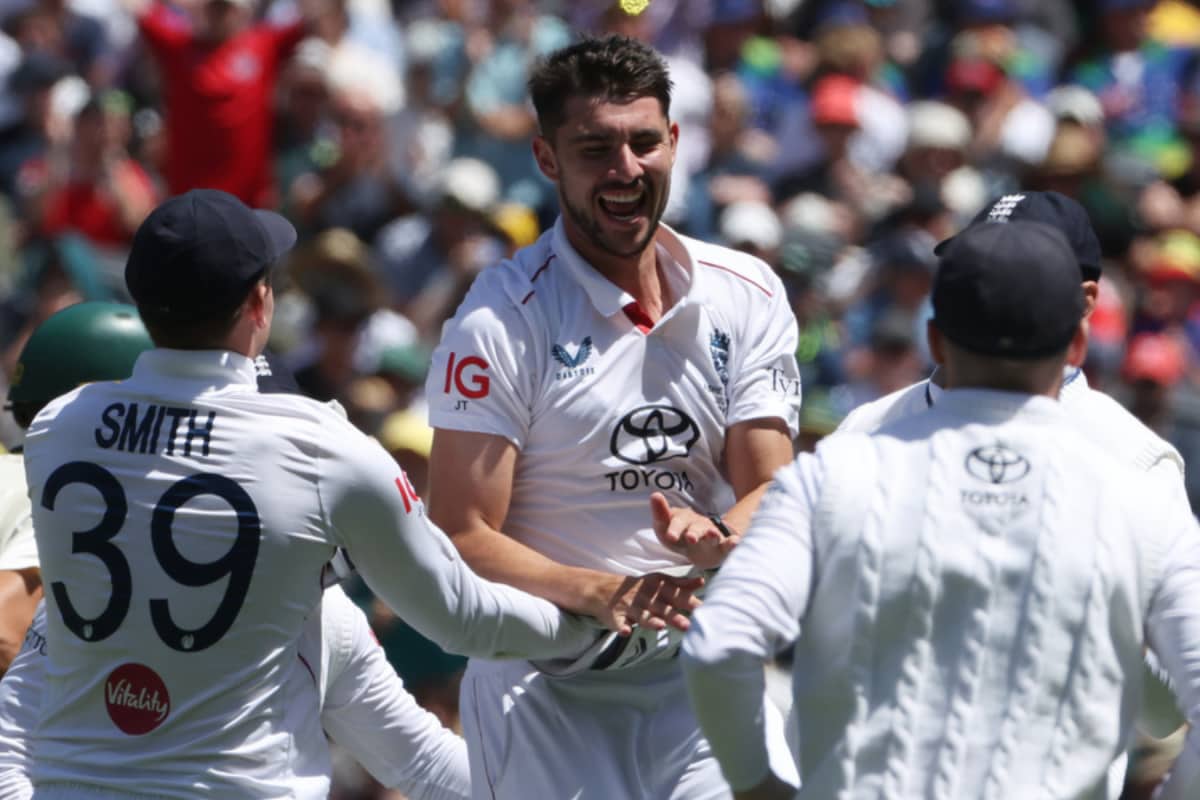
England’s rapid victory at the MCG costs Cricket Australia £5m
The fourth Test of the Ashes at the Melbourne Cricket Ground finished in just two days, with England clinching a four-wicket victory. The unexpectedly brief contest produced a significant financial hit for the host organisation: Cricket Australia lost £5m as a result of the curtailed match.
How the match unfolded
There was little of the traditional ebb and flow associated with a five-day Test. Instead, the game moved at a relentless pace and was over before many fans had time to process the drama. England chased down the target to win by four wickets, while the match overall lasted only two days. The rapid finish denied spectators and broadcasters the extended spectacle they expect from an Ashes Test.
Matches that end so quickly often reflect dominant bowling performances, fragile batting displays or a combination of both. Whatever the balance of factors on the field, the result left the ground unusually quiet for what is normally one of the sport’s biggest fixtures.
Where the £5m loss comes from
A match ending prematurely has several direct and indirect financial consequences:
- Ticket refunds and reduced gate revenue: Early finishes typically trigger partial refunds, compensation offers or reduced future ticket value, cutting into match-day income.
- Hospitality and corporate sales: Corporate packages and hospitality experiences are priced for up to five days; a two-day match leaves those buyers out of pocket and liable for refunds or credits.
- Concessions and secondary spending: Food, merchandise and other on-site spending drops significantly when crowds leave early.
- Broadcast and sponsorship impact: Shortened viewing windows can affect broadcast value and sponsor exposure, and broadcasters may seek compensation or amendments.
Combined, these factors are the likely drivers behind the reported £5m shortfall for Cricket Australia after the MCG Test.
Broader consequences for the Ashes and venue management
A two-day Test raises larger questions beyond the immediate financial hit. Fans, players and administrators often scrutinise the pitch and ground preparation when a marquee Test ends so quickly. There can be calls for changes in pitch policy, more stringent oversight from governing bodies, or adjustments to how venues prepare for high-profile series.
For Cricket Australia, the loss also brings attention to contingency planning. Organisations increasingly consider insurance, flexible ticketing policies and other measures to protect revenue in the event of unexpectedly short matches. The balance between producing a fair contest and delivering a durable, marketable spectacle is delicate—and a high-profile early finish shifts that debate into the spotlight.
Impact on fans and broadcasters
Many supporters travel long distances and invest in multi-day plans to attend an Ashes Test. A two-day finish can be deeply disappointing, leaving fans out of pocket and frustrated. Broadcasters likewise lose hours of premium live coverage that command high advertising and subscription value.
While the short match produced a dramatic result for England, the broader experience for fans in the stadium and at home was diminished—and that loss of engagement has real financial consequence, as reflected in the £5m figure.
What comes next
On the cricketing front, England will take confidence from a decisive win, gaining momentum as the series continues. For Cricket Australia, the challenge is to respond off the field: review pitch preparation, assess financial protections and work to restore faith among fans and commercial partners.
Short, sharp Tests happen rarely, but when they do the effects ripple beyond the scorecard. The MCG result will be dissected by players, administrators and supporters for some time—both for what it means on the pitch and for its unexpected financial fallout.