
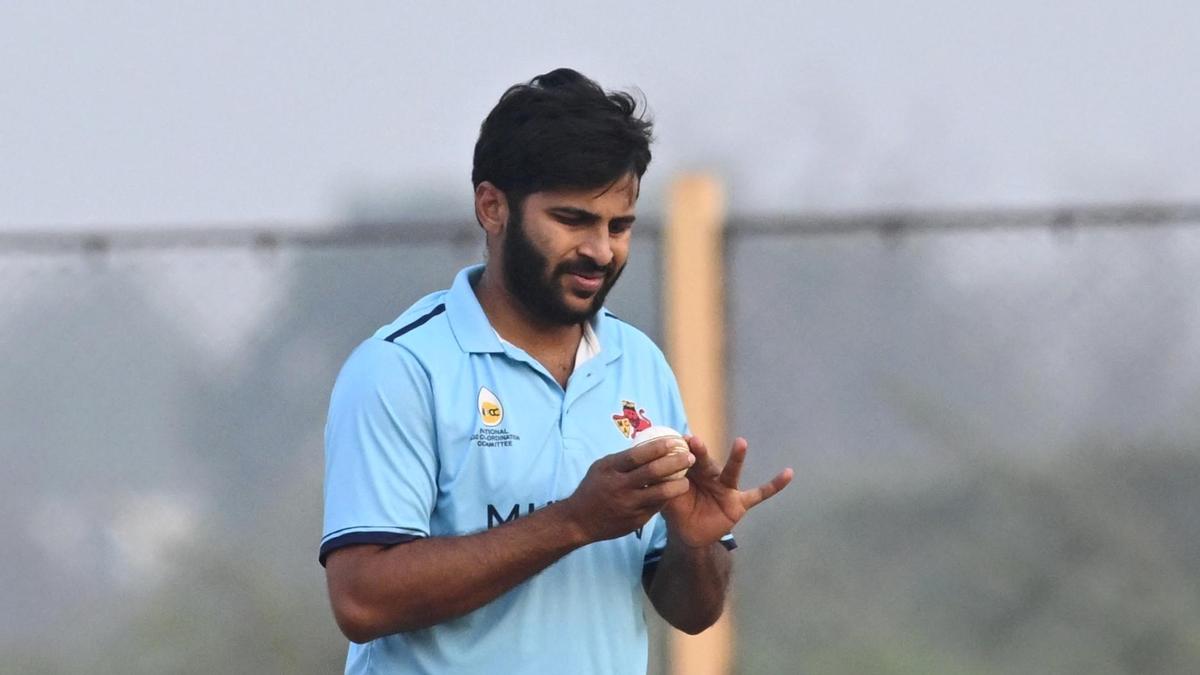
Mumbai fall agonisingly short while chasing 217 — lose by one run after late collapse
What looked like a straightforward chase of 217 turned into heartache for Mumbai as a comfortable position evaporated into a dramatic collapse. The visitors were cruising for much of the innings, but a combination of tight death overs, disciplined bowling and a flurry of wickets late on saw them come up one run short.
Early promise, steady pace
Mumbai’s innings began with purpose. The top order put together a sensible platform, rotating the strike and punishing anything loose. At one point the visitors were well placed — with the required rate low and wickets in hand — giving the impression this would be a routine finish.
The turning point: pressure in the middle and death overs
Chases are rarely just about one good partnership; they’re about timing and composure. Here, the pressure built subtly. A couple of tight overs from the opposition’s frontline bowlers tightened the screws, and a misjudged shot or two cost Mumbai crucial momentum. Successive breakthroughs around the 30–35 over mark tilted the match.
- Dot-ball pressure: A series of dot balls in the middle overs increased the required-run-rate anxiety, forcing batters to take riskier options later.
- Late wickets: The lower middle order and tail could not withstand the onslaught — quick wickets fell in clusters, not allowing the chase to reset.
- Death bowling excellence: The opposition executed slow balls and yorkers at the right time, closing out angles and preventing boundary options.
Final over drama
The finish was as tense as any contest. With the target in sight and only a few runs needed off the last few deliveries, every ball mattered. A single misfield, a clever slower delivery, or a denied two could change everything — and it did. Mumbai fought to the last ball but eventually came up one run short.
Small moments that decided the game
- A dropped chance earlier: There was at least one let-off that might have shifted the momentum back in Mumbai’s favour had it been taken.
- Missed opportunities while running: Tight running between the wickets and hesitation on quick singles proved costly in the closing stages.
- Bowling under pressure: The defending side’s bowlers kept their nerve in the final overs, mixing pace and length to deny the boundaries Mumbai needed.
What this means for Mumbai
Losing a match by a single run after appearing in control is a tough pill to swallow. There are clear positives — they paced the chase well for long periods and showed intent — but the game exposed areas that need attention: finishing skills, death-over batting, and handling pressure moments. These are the fine margins that decide tight T20 and ODI contests.
Takeaways
- Chasing seemingly small totals demands focus for the full innings; complacency can be punished.
- Death-overs execution — by both batters and bowlers — remains a decisive factor.
- Fielding and running between wickets can swing results in close games; one moment can change the outcome.
In cricket, one run can separate jubilation from heartbreak. For Mumbai, this match will be remembered as one that slipped from their grasp late on — a reminder that the final overs are when matches are truly decided.