
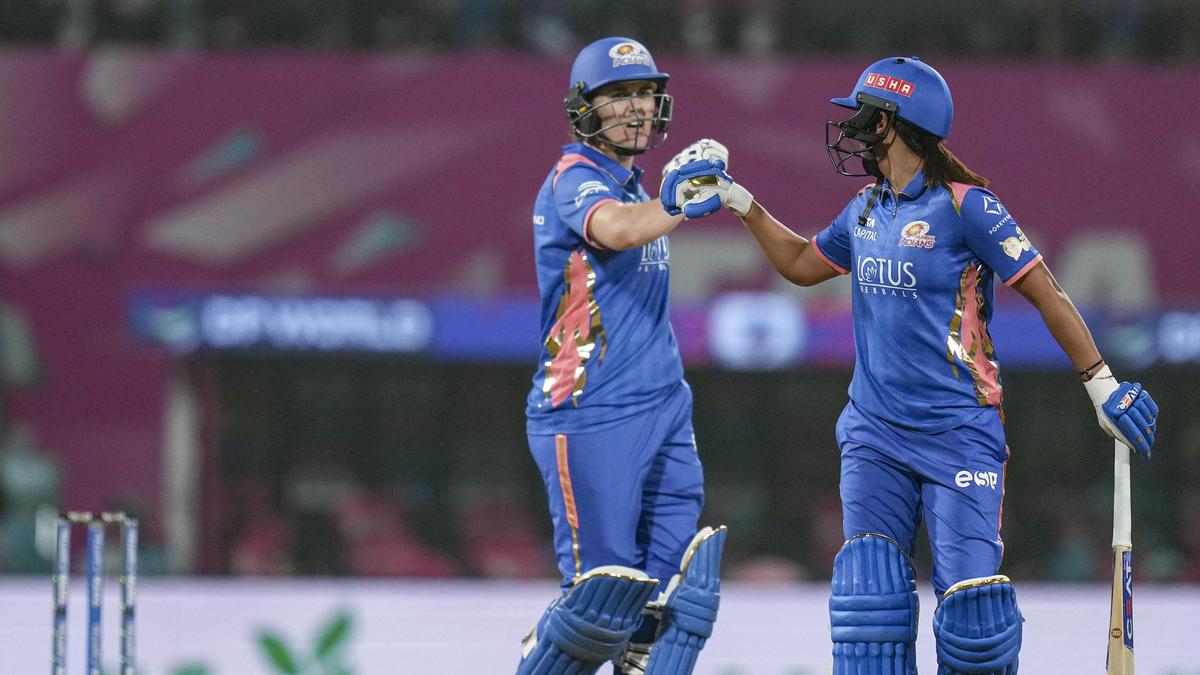
Mumbai Indians lick their wounds after defeat to RCB
Mumbai Indians (MI) returned to the nets and the meeting room a little bruised after a defeat to Royal Challengers Bengaluru (RCB) the night before. It was one of those nights that prompts honest conversations — about approach, execution and the small margins that decide T20 games.
Immediate reaction in the dressing room
There was a tangible mood of reflection rather than panic. The players and coaching staff did not shy away from what went wrong. Rather than pointing fingers, the emphasis appeared to be on clarity: clear responsibilities, clearer plans for the next game and an urgent desire to put things right on the field.
Key areas the team discussed
- Batting consistency: The middle-order balance and finishing power were flagged as areas needing sharper execution. In T20 cricket, a couple of small partnerships can swing momentum; MI acknowledged they must regroup quickly.
- Death bowling: Execution at the death can win or lose matches. Yorkers, slower cutters and a tighter line-and-length strategy were discussed as priorities for the next net session.
- Fielding intensity: Missed opportunities in the field were another theme. Fielding standards are often the visible reflection of a team’s mindset, and there was an obvious push to lift that intensity.
- Game plans: Plans for bowling to opposition batters and batting against certain bowlers were reviewed. The technical details matter — who takes the new ball, when to rotate strike, and how to punish loose deliveries.
Coaching response and training focus
The coaching staff set out a focused training agenda following the loss. Sessions were shorter and more intense, centred on match-situation simulations rather than long nets. The idea was to recreate pressure scenarios: death overs, powerplay chase, and handling the momentum shifts that RCB exploited.
Throwdowns, situational batting, and targeted bowling drills became the priority, along with video analysis to ensure players understand how and why errors happened — and how to avoid them next time.
Leadership and accountability
Leadership within the team took a front seat. Senior players called for accountability and clarity. The tone suggested a collective responsibility rather than a blame game. When a team visibly chooses to own mistakes and correct them together, bounce-backs are more likely.
Small changes that can have big impact
- Adjusting batting order slightly to counter specific bowlers.
- Rotating bowlers earlier to break partnerships.
- Placing more emphasis on backing up and throwing accuracy to cut out extra runs.
- Using match-ups and data to make smarter bowling changes.
What fans should expect next
Expect a sharper, more focused MI in the next outing. Teams that recover quickly after a loss usually show improved intensity — a tighter bowling unit, smarter field placements and cleaner batting in the middle overs. The next few sessions are crucial for translating the hard conversations into on-field performance.
Looking ahead
Defeats are part of the journey in the IPL, but how a franchise responds often defines its season. Mumbai Indians’ reaction — honest conversations, targeted practice and a renewed emphasis on basics — is the right approach. If the team can convert that intent into execution, they could arrive at their next game calmer, sharper and more dangerous.