
Why the next crop of young cricketers matters
Cricket is changing fast. With packed international calendars, franchise leagues and new coaching methods, young players are getting more chances to make an impact quickly. The next generation will shape how the game looks — from the way bowlers use raw pace and variation, to batters who can switch styles between Test cricket and T20 within a week.
What selectors and fans are looking for
- Consistency: Young players who perform regularly in domestic cricket and under pressure stand out.
- Adaptability: The ability to shift tempo between formats is a prized skill.
- Temperament: A calm head in tense moments separates good prospects from great ones.
- Skill development: Bowlers with control and variations, and batters with a wide range of shots, get faster opportunities.
Five types of rising stars to watch
1. The pace sensation
Fast bowlers who can hit the high 140s or maintain quality at 135–140 kph are in demand. But raw speed alone isn’t enough — those who couple pace with repeatable lines, length control and a useful slower ball often become match-winners in white-ball cricket and serious threats in Tests.
2. The modern all-rounder
Teams crave players who can contribute with both bat and ball. An all-rounder who attacks in the lower middle order and offers two or three dependable overs is a captain’s dream. These players provide balance to a side and can finish games or stem the flow of runs when needed.
3. The fearless young batter
Today’s young batters are coached to score quickly without sacrificing technique. The best prospects combine traditional skills — watchfulness, footwork and shot selection — with the ability to innovate: reverse sweeps, ramp shots and quick running between the wickets. That versatility opens doors across formats.
4. The wrist-spinner with variations
Wrist-spin continues to be a valuable art. Young spinners who can bowl a tight stock delivery, a quicker arm ball and a wrong’un create constant doubt in batters’ minds. When wrist-spinners learn to read conditions and vary pace subtly, they become particularly dangerous in limited-overs cricket.
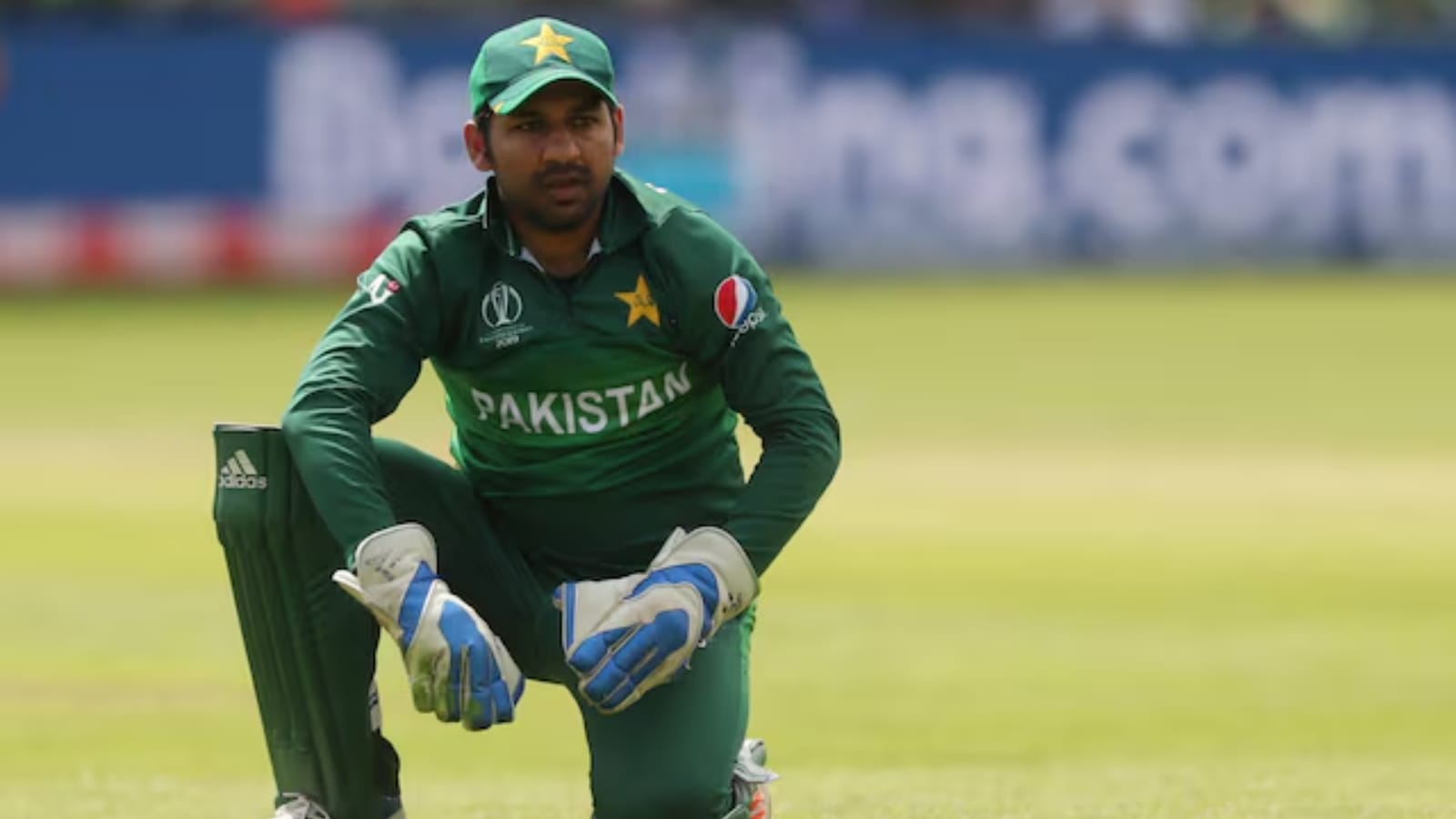
5. The fearless young keeper
Keeping is no longer just about catching. Young keepers today need lightning reflexes, strong throws, the ability to direct field placement, and the bat to score quickly. A wicketkeeper who can open the batting or stabilize the middle order is a huge asset.
How domestic leagues and academies are changing the game
Domestic T20 leagues, high-performance academies and improved coaching have fast-tracked many careers. Young players now face international-level coaching, video analysis and high-pressure matches early on. These environments teach game management, mental resilience and match awareness, so when a player reaches the international stage, they are better prepared.
What fans should watch for in the coming season
- Players who score heavily across formats — that consistency is a sign of real potential.
- Bowlers who pick up wickets at key moments, not just in friendly conditions.
- Young leaders showing tactical nous, especially in franchise cricket where they must think on their feet.
- Breakout performances in continental qualifiers and A-team tours — often the first hints of future stars.
How to spot a long-term prospect
Short bursts of success are exciting, but look for players who keep improving. A true long-term prospect shows steady progress, learns from failures, and adapts their game after exposure to higher levels of competition. Coaches often say that hunger and coachability weigh as much as raw talent.
Final thought
The future of cricket belongs to players who blend classic techniques with modern innovation. As fans, we’ll see more youngsters who can bowl express pace, spin creatively, keep smartly and bat with a fearless approach. Keep an eye on domestic seasons and franchise tournaments — they’re where tomorrow’s stars begin writing their headlines.