
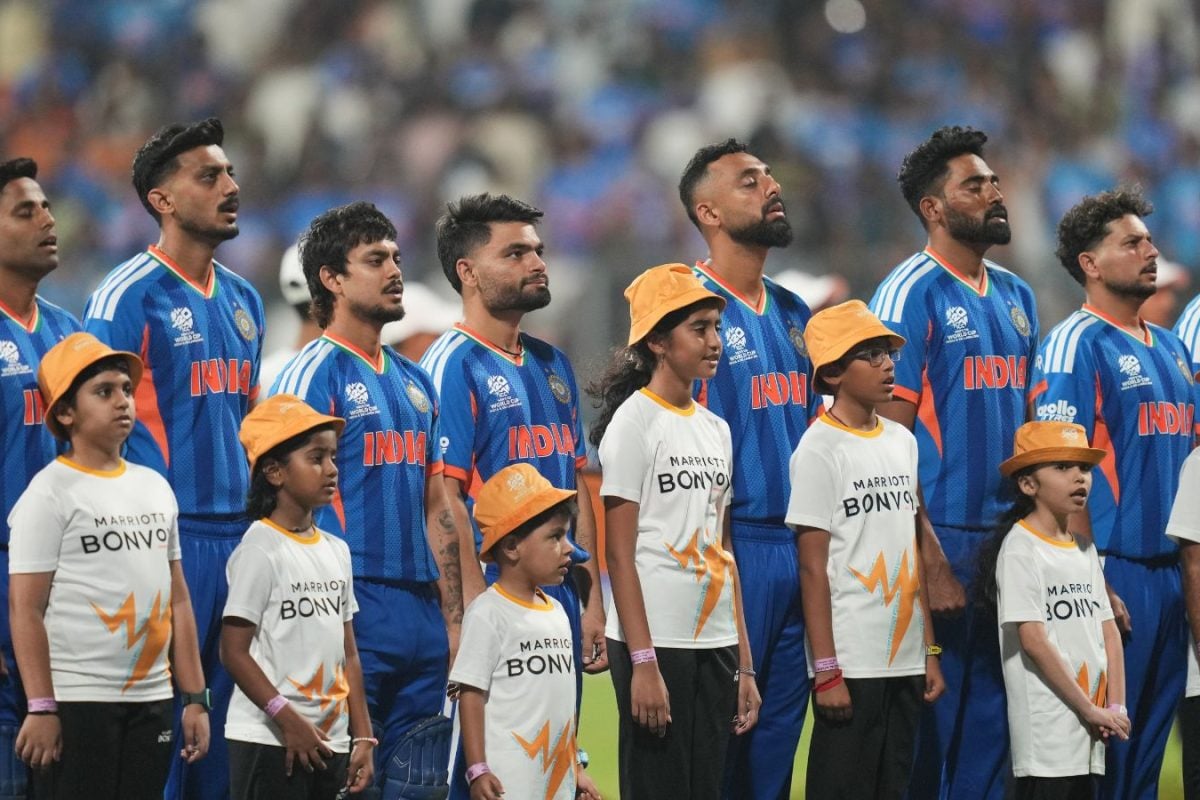
Pakistan’s Ahmed Shehzad Accuses BCCI Over Doping Tests
Former Pakistan opener Ahmed Shehzad has made a strong public accusation, saying the Board of Control for Cricket in India (BCCI) prevented the International Cricket Council (ICC) from carrying out doping tests on Indian players. Shehzad also claimed that the BCCI conducts its own testing because it does not trust the ICC’s testing technology.
What Shehzad said
Shehzad’s comments, made in a recent interview, allege that the BCCI blocks ICC test procedures and prefers to self-administer doping controls. He suggested this approach stems from a lack of confidence in the ICC’s testing methods or technology. These are serious claims that touch directly on the transparency and integrity of anti-doping measures in international cricket.
How anti-doping in cricket is supposed to work
Anti-doping in cricket is governed by a combination of international and national rules. In general:
- ICC runs a global anti-doping programme that can conduct in- and out-of-competition testing for players in ICC events and internationally recognised matches.
- National boards and national anti-doping agencies also carry out testing for their players, often in line with World Anti-Doping Agency (WADA) standards.
- Cooperation between the ICC, national boards and anti-doping organisations is important to ensure consistent processes, sample security and chain-of-custody standards.
If the claims are accurate, they raise questions about how that cooperation is functioning, and whether testing standards are being uniformly applied.
Why the accusation matters
Allegations about interference in doping tests are damaging because they affect trust in the sport’s anti-doping regime. Key concerns include:
- Transparency: Fans and players expect clear, independent testing protocols to protect fairness.
- Credibility: Any suggestion that testing is controlled or influenced by a national board can undermine confidence in results and sanctions.
- Player protection: Proper testing protects players from both unintentional doping violations and false allegations.
Even an allegation can prompt calls for investigations or independent audits to restore confidence.
Possible reactions and next steps
An accusation like this typically leads to several immediate responses:
- Official statements: The ICC and BCCI are likely to issue or be asked for formal responses addressing the claim.
- Requests for proof: Journalists, former players and cricket bodies may call for evidence or clarification about testing procedures.
- Independent review: If the situation escalates, an independent review or audit of testing protocols could be proposed to verify compliance with international standards.
For the integrity of cricket, clear communication and transparency will be crucial in the coming days.
What fans and players should watch for
Given the seriousness of the allegation, watch for these developments:
- Official responses from the BCCI and ICC addressing the specific claims.
- Details about how and when tests are conducted, and which parties are involved in sample collection and analysis.
- Any independent assessments or third-party confirmations of testing procedures and technology used.
Ultimately, anti-doping systems rely on trust and clear oversight. Whether Shehzad’s claim leads to a formal inquiry or is rebutted outright, the conversation underscores the ongoing need for transparency in cricket’s fight against performance-enhancing substances.