
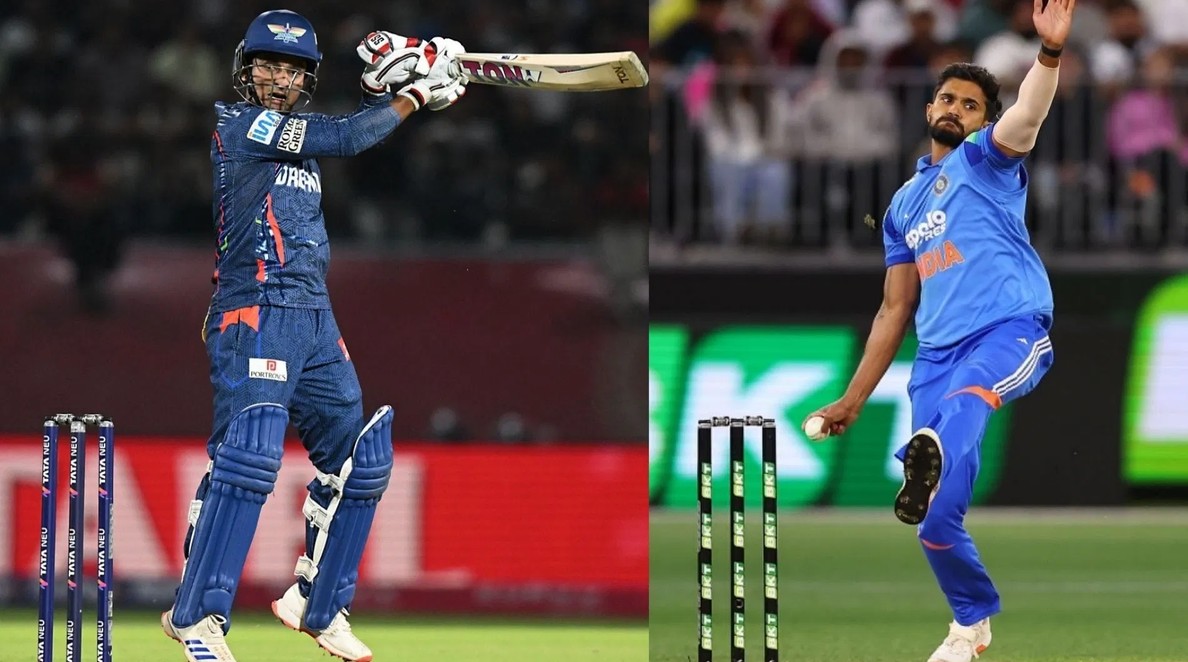
The BCCI has named Ayush Badoni as Washington Sundar’s replacement for the remaining ODIs against New Zealand after Sundar was ruled out of the series. Sundar left the field during the first ODI at the BCA Stadium in Vadodara on January 11 after bowling five overs for 27 and later batted at No. 8 in the run chase. With the second game scheduled at the Niranjan Shah Stadium in Rajkot on January 14, India must rejig their XI and consider the best combination for the short series.
Why Nitish Kumar Reddy deserves a close look
India’s approach in Vadodara showed a clear balance: three quicks and a spin pairing that included Ravindra Jadeja and Washington Sundar. Sundar, when fully fit, would likely slot in higher up the order (at No. 7) rather than the No. 8 spot he occupied due to injury. That batting-and-bowling mix is the precise profile India miss with Sundar sidelined.
Nitish Kumar Reddy is not a straight like-for-like replacement, but he offers the best available blend of batting depth and part-time bowling. Reddy can bat at No. 7 and can provide a few overs if the situation demands. That dual skill set makes him an attractive option as a potential backup to Hardik Pandya in the longer-term World Cup context.
Reddy’s international introduction during the Border–Gavaskar Trophy in Australia was promising, but his recent returns have dipped. Some of that decline could be down to irregular opportunities and limited backing from team management. The New Zealand series presents a low-risk platform for selectors to give him consistent chances and evaluate whether he can genuinely be considered a World Cup deputy for Hardik Pandya.
Ayush Badoni: a sensible squad addition, but is it time yet?
Ayush Badoni arrives in the 15-member squad as Sundar’s official replacement. Badoni is essentially a middle-order batter who bowls occasional off-spin. His selection was a little unexpected given modest numbers in the recent Vijay Hazare Trophy — though he has chipped in with a few wickets — and critics might have preferred an experienced white-ball all-rounder such as Axar Patel for balance.
Looking at his domestic record, Badoni has played 27 List A matches and scored 693 runs at an average of 36.47 with a strike rate around 93. He has recorded one century and five fifties in that format. In first-class cricket he has been prolific too, compiling 1,681 runs in 21 games at an impressive average of 57.96. Those numbers suggest he has the temperament to adapt, but international chances could be limited unless he seizes them quickly.
Who should play in Rajkot?
- If India want a like-for-like balance to replace Sundar’s left-handed batting and off-spin, Nitish Kumar Reddy makes a stronger case.
- If the team prefers batting depth and a fresh face with high domestic red-ball returns, Ayush Badoni is a viable option and could be groomed for the future.
- Selection may also hinge on match conditions in Rajkot and whether the management prioritises spin options or extra batting firepower.
What comes next
The sensible move on paper is to include Nitish Kumar Reddy in the playing XI and keep Badoni in the squad to acclimatise to the international setup. That approach gives India flexibility and allows management to properly assess Reddy’s potential as a World Cup backup. Yet with Gautam Gambhir at the helm and known to take bold or unexpected calls, selectors might still hand Badoni his debut while Reddy waits for his chance.
Whatever the choice, the coming two ODIs against New Zealand will be a short but useful window for India’s management to test bench players, shore up balance and identify options ahead of bigger white-ball decisions leading into the 2027 World Cup cycle.