
Growing Rift Over Proposal to Replace Super Smash
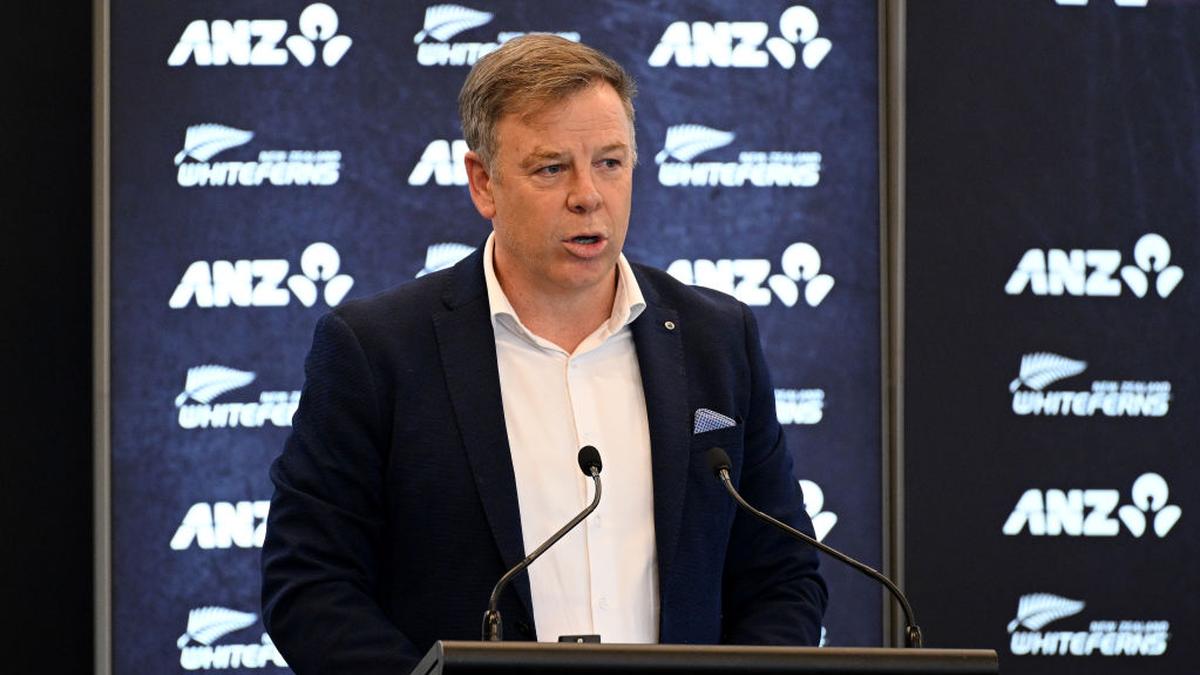
A split has developed between New Zealand Cricket chief Scott Weenink and a group that includes players and the sport’s member associations over a proposed franchise T20 league intended to replace the domestic Super Smash.
What’s at the centre of the disagreement?
The debate is about more than just a new tournament name. At stake are governance, control, revenue sharing and the future pathway for domestic players. The franchise model being discussed would fundamentally change how New Zealand’s top-level T20 cricket is run — moving from the current centrally administered Super Smash to privately or semi-privately owned teams aligned with a commercial league structure.
Why some support a franchise model
- Commercial upside: A franchise league could attract bigger broadcast deals, sponsorships and international stars, potentially raising the profile of New Zealand cricket.
- Investment and growth: New money and professional management could improve facilities, coaching and fan engagement.
- Global alignment: Many cricket nations have found success with franchise T20 competitions, and proponents argue New Zealand would benefit from a similarly market-driven approach.
Why players and member associations are wary
- Loss of control: Member associations fear reduced influence over their regional teams, recruitment and development pathways.
- Player opportunities: There are concerns that a franchise model might limit chances for emerging domestic players if franchises prefer established stars.
- Financial distribution: Questions remain about how revenue would be divided between franchises, the national body and grassroots cricket.
- Scheduling and priorities: Players worry about workload, conflicting schedules with international commitments, and how a new league would fit into the calendar.
Implications for the Super Smash and the wider game
The Super Smash has long been New Zealand’s premier domestic T20 competition and a key pathway for talent. Replacing it with a franchise model could boost the competition’s profile but would also reshape the domestic landscape. Community-level cricket, women’s competitions and developmental programmes might be affected depending on how revenues and responsibilities are reallocated.
What happens next?
Negotiations and discussions are expected to continue as stakeholders work to find common ground. Any change of this scale would need agreement on governance arrangements, player contracts, alignment with international schedules and protections for member associations. Compromise options might include hybrid models, enhanced revenue-sharing mechanisms, or phased introductions that safeguard development pathways.
Why this matters to fans
Fans should pay attention because the outcome will determine the look and feel of domestic cricket in New Zealand for years to come — who they watch, where matches are played, and which players get a platform. The debate highlights a familiar tension in modern sport: balancing commercial ambition with community roots and player development.
The next steps will be important not just for administrators, but for players, clubs and supporters who want a strong, sustainable future for New Zealand cricket.