
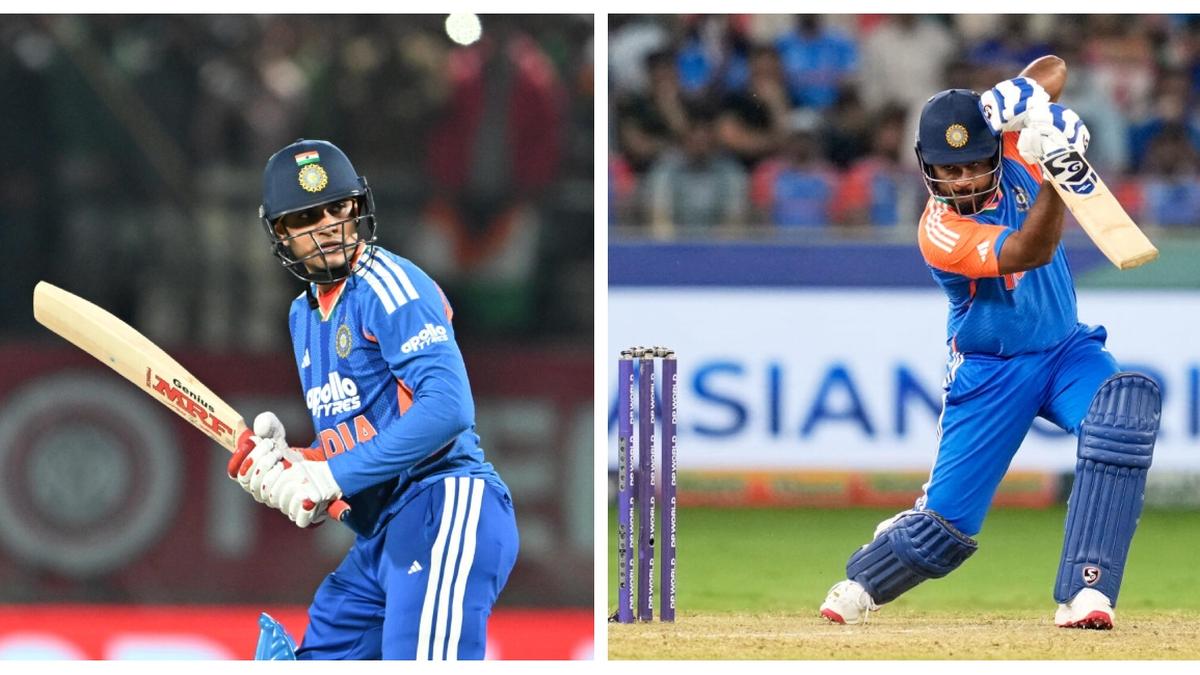
Selection meeting set to sharpen focus on India’s opening combination
The national senior selection committee meets on Saturday to finalise India’s squad for the Men’s T20 World Cup 2026, and the talking point is clear: who will open the innings for India? With several strong contenders and different tactical routes available, the opening slots promise to be the most debated part of the squad conversation.
Why the opening pair matters so much
Openers set the tone for the innings in T20 cricket. A good start can force bowlers onto the back foot, free up the middle order and allow the team to post or chase down big totals. For India, who traditionally like to dominate the powerplay, the balance of aggression and stability at the top will be a key selection criterion.
What selectors will be weighing up
- Form and recent performances: Consistent scores and strike rates in domestic and international T20s will count heavily.
- Versatility: Ability to bat in different positions, handle pace and spin, and adapt to varied match situations.
- Fitness and availability: Injury history and workload management matter with a long international calendar ahead.
- Left-right combinations: Teams often favour a left-right pair to disrupt bowlers’ lines and field settings.
- Team balance: How opening choices affect the composition of middle order, spin options and pace-bowling depth.
Leading contenders for the top two slots
Several names will be under consideration. Each brings different strengths, and the committee must decide which mix best suits the World Cup plan.
- Rohit Sharma: An experienced campaigner and natural opener when fit. His leadership and big-match temperament remain assets, though workload and form will be scrutinised.
- Shubman Gill: A technically sound batter with the ability to anchor and accelerate. His record at the top in white-ball cricket makes him a strong candidate.
- Yashasvi Jaiswal: A left-hander who combines aggression with stroke-making ability. His powerplay success makes him an exciting option.
- Ishan Kishan: Known for his strike rate and unconventional strokeplay, Kishan offers explosive starts but consistency and fitness concerns are factors.
- Ruturaj Gaikwad: A classical stroke player who has adapted well to white-ball cricket. He provides a more measured approach if the team wants solidity.
- KL Rahul: A flexible batter who can open or bat in the top three. His calmness and experience in big tournaments make him a valuable choice.
Possible opening combinations and the thinking behind each
- Rohit Sharma + Shubman Gill: Experience meets youth. Balance of aggression and control, suits high-scoring starts but hinges on Rohit’s fitness and form.
- Shubman Gill + Yashasvi Jaiswal: Two young, technically solid players who can build big partnerships and rotate strike effectively—good for building a platform.
- Yashasvi Jaiswal + Ishan Kishan: Left-right, aggressive pair aimed at taking maximum advantage of powerplays and early batting power.
- KL Rahul + Rohit/Shubman: A flexible option where Rahul’s adaptability can shore up the top order, allowing for a different middle-order shape.
- Rohit + Ishan: High ceiling for explosive starts, but consistency over tournament may be a concern.
How conditions and opposition could influence the decision
Selection won’t be just about names on paper. The committee will consider likely pitch conditions and opposition match-ups. In slower conditions or against quality spin attacks, a technically sound opener who can handle spin may be preferred. On batters’ pitches or in matches where quick runs are essential, the temptation to pick power-hitters increases.
Impact on squad balance
Choosing one opener over another has a domino effect. An aggressive opening pair might allow the selectors to pick an extra spinner or specialist finisher. A more conservative start could strengthen the middle order with another stroke-maker or all-rounder. The key is finding the mix that gives India flexibility through the group stage and knockout rounds.
What fans can expect
There will be strong opinions from fans and experts no matter which combination the committee picks. Expect debate over experience versus youth, left-right balance, and how each option fits into India’s broader World Cup strategy. Ultimately, selectors will aim to pick the combination that gives the team the best chance of winning matches consistently.
When the squad is announced, the opening slots will be judged not just on names, but on how they complement the rest of the team and the plan the management wants to execute in the tournament. Until then, the discussion around India’s opening pair will remain the headline storyline from the selection meeting.