
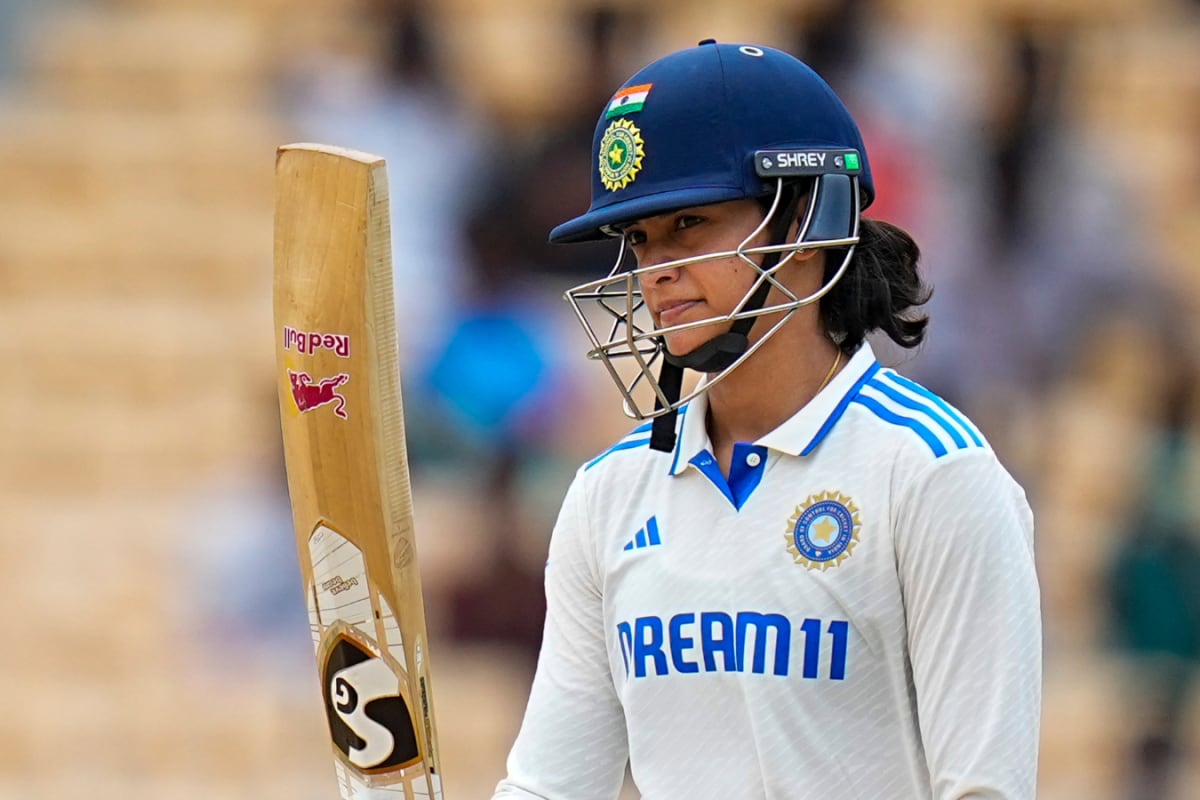
India women vs Australia women: Test cricket returns after nearly five years
The Indian women’s team faces Australia in a rare day-night Test, marking a return to the longest format for both sides after nearly five years. This match is more than a fixture on the calendar — it is a statement about the value of women’s Test cricket and a chance for players to show their red-ball credentials under unique conditions.
Why this Test matters
Women’s Tests are few and far between, and a day-night Test adds an extra layer of intrigue. The format gives batters time to build long innings and bowlers the chance to work out sustained strategies over sessions. For the players, selectors and fans, this game is an opportunity to assess temperament, technique and match awareness in conditions that are very different from white-ball cricket.
Day-night dynamics: the pink ball factor
- Visibility and shine: The pink ball behaves differently from the red and white balls. It can retain more swing under lights and often looks brighter against the floodlit sky, which affects batting and fielding perception.
- Late-session movement: Seamers can get extra reward in the twilight and night sessions. Captains will be keen to have their best pace options operating at those times.
- Dew and spin: Dew late in the day can make the ball skid on and reduce turn, which changes how teams use their spinners and manage the reverse swing of the ball.
What India brings to the table
India’s red-ball game traditionally leans on strong spin resources and batters who can occupy the crease for long periods. This Test will test their ability to transition from limited-overs tempo to patient accumulation. Expect emphasis on building partnerships and using spinners strategically when the pitch offers assistance.
What Australia brings to the table
Australia arrive with a deep pool of experienced players who fit the demands of Test cricket. They are known for their pace bowling strength and a high benchmark for fitness and intensity. Australia will look to use their quick bowlers in the early and late sessions while their batters aim to score consistently across both long and short formats.
Key battles to watch
- Opening sessions: Can batters from both teams negotiate the early movement with the pink ball and lay a solid foundation?
- Spin vs patience: How will India’s spin attack be used to control rhythm and take wickets, especially if the pitch offers turn?
- Death overs under lights: Which seamers will exploit the twilight swing and which batters can adapt to changing visibility and conditions?
Players to keep an eye on
Rather than naming specific individuals, look for players who have shown consistency in the longer format, strong temperaments, and the ability to adapt. Watch for:
- Batted anchors who can build long innings and protect partners through testing periods.
- All-rounders who can contribute crucial lower-order runs and provide reliable overs with either pace or spin.
- Newer faces eager to make an impact — Tests can elevate careers quickly when a player proves they can handle pressure over multiple sessions.
Tactics and captaincy
Captains will be under a spotlight. Managing bowlers’ spells, rotating the attack across sessions, and making bold field placements will matter more than ever. Expect flexible declarations, careful use of the new ball, and tactical adjustments as conditions change from daylight to floodlight.
Broader impact on women’s cricket
This Test is significant beyond the scoreboard. A compelling, competitive match can strengthen the argument for more regular women’s Test fixtures, attract larger crowds, and increase broadcast interest. It gives national boards and fans a reminder of the depth and drama that the red-ball game brings to women’s cricket.
What fans can expect
Fans should prepare for a different rhythm compared to white-ball matches. There will be long periods of tactical football-like chess, sudden bursts of action, and moments of real grit as players adjust to pink-ball conditions. For those who enjoy the nuance of Test cricket, this match promises tense sessions, shifting momentum and a real test of character.
Whether you follow for the technical battles, the tactical moves, or the personalities that thrive under pressure, this day-night Test between India and Australia is a welcome and exciting return to the format. It is a reminder that Test cricket still matters — and that women’s cricket has compelling stories to tell in every format.