
The quarterfinals of the Vijay Hazare Trophy 2025-26 produced a mix of dominant wins and surprise exits on January 13. Punjab, Karnataka, Vidarbha and Saurashtra marched into the semifinals, while Madhya Pradesh, Mumbai, Delhi and Uttar Pradesh were knocked out. The tournament ran alongside India’s ODI series with New Zealand, which left several teams without their India stars and shifted the balance in a few key squads.
Context: international call-ups and tournament momentum
With players such as Shreyas Iyer and Rishabh Pant engaged in the India vs New Zealand ODIs, Mumbai and Delhi felt the absence of top-level experience. That missing depth showed in crucial moments during the knockouts. At the same time, many domestic names stepped up — Prabhsimran Singh, Anmolpreet Singh, Shams Mulani and Sameer Rizvi were among those who delivered important contributions with the bat throughout the tournament.
Five players who fell short when it mattered
Venkatesh Iyer (Madhya Pradesh)
Madhya Pradesh’s captain and RCB all-rounder Venkatesh Iyer had a forgettable quarterfinal. Dismissed for a two-ball duck, trapped lbw by Sanvir Singh, Iyer’s early exit set the tone as MP were beaten by Punjab by 183 runs. Across the tournament he managed 176 runs in eight innings at a low strike rate and chipped in with seven wickets, but the knockout failure will sting ahead of IPL 2026, where RCB purchased him for a significant fee.
Angkrish Raghuvanshi (Kolkata Knight Riders)
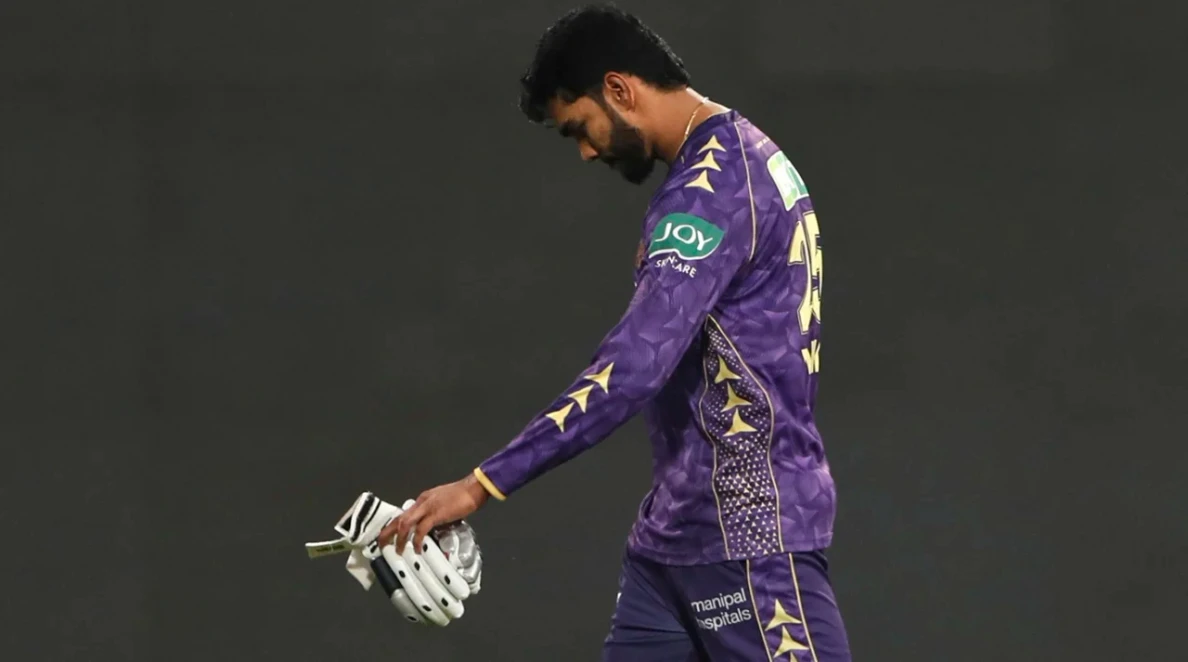
Angkrish Raghuvanshi began the season brightly with big scores of 92 and an unbeaten 68, but the momentum fizzled in the quarterfinal against Karnataka. His 27 off 50 balls was far from the aggressive batting KKR will want from their young talent. Raghuvanshi’s tournament showed flashes of class but suffered from inconsistency, and KKR will be hoping he rediscovers form before the IPL window.
Nitish Rana (Delhi)
Nitish Rana, who had a solid Vijay Hazare campaign overall, failed to make an impact when Delhi needed him most. He was out for a golden duck as Vidarbha secured a 76-run victory to send Delhi home. Rana finished the tournament with 255 runs from eight innings, including a couple of fifties, but his absence in the knockout proved costly for a side already hampered by missing internationals.
Rinku Singh (Uttar Pradesh)
Rinku Singh’s quarterfinal against Saurashtra was a rare off day for a batter who dominated the tournament. The UP skipper managed just 13 off 20 balls and his two overs with the ball went wicketless, conceding 15. UP lost the match by 17 runs. Despite the failure, Rinku leaves the competition with outstanding numbers — 421 runs in eight matches at an average north of 100, including a century and three fifties — and he now shifts focus to India’s T20 plans and IPL 2026.
Musheer Khan (Mumbai)
Musheer Khan, one of Mumbai’s promising youngsters, struggled in the quarterfinal against Karnataka. Coming in at number three, he added only nine off seven deliveries before falling to Vidyadhar Patil, and Mumbai’s top-order failures contributed to a 55-run defeat. Musheer’s tournament overall was decent, with 243 runs in seven innings, but this rare failure came on the biggest day for his team.
What these results mean
Knockout cricket exposes weaknesses quickly. For teams like Mumbai, Delhi and UP the combination of missing internationals and a few low returns from expected match-winners proved decisive. For the four semifinalists — Punjab, Karnataka, Vidarbha and Saurashtra — the quarterfinal wins build momentum and belief heading into the business end of the competition.
For the players who failed when it mattered, there’s still plenty to play for: IPL spots, national selection impulses and a chance to learn from these setbacks. The Vijay Hazare Trophy continues to be a platform where careers are shaped, and next week’s semifinals will offer fresh opportunities for the domestic stars to step up.