
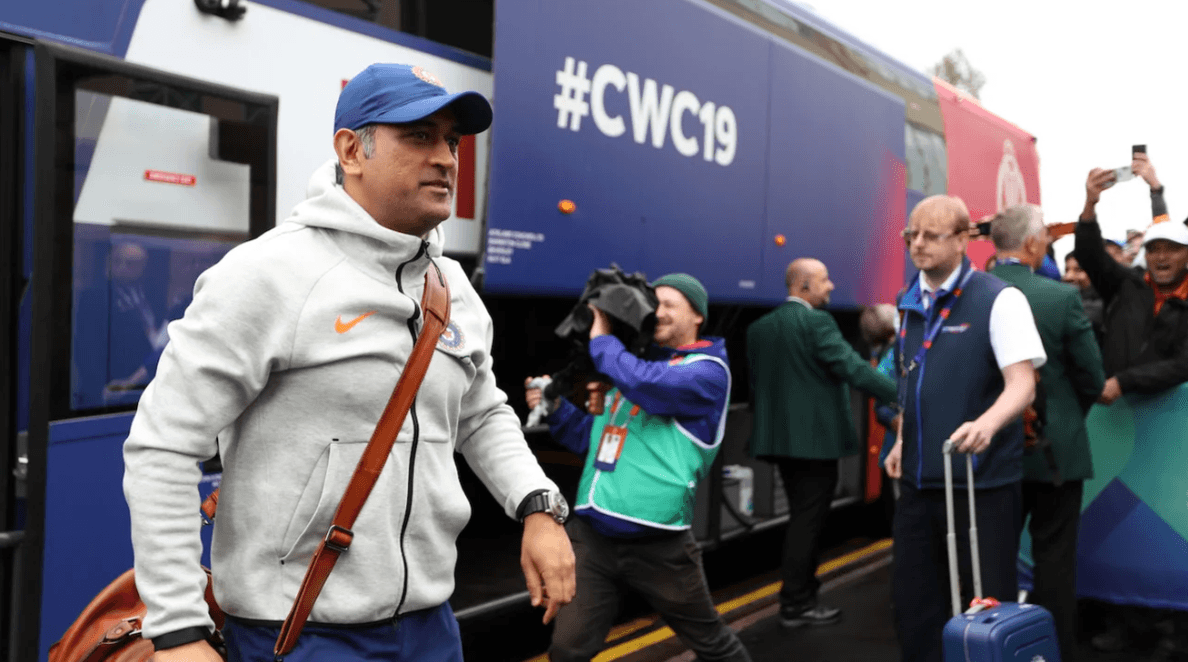
Cricket in India often blends into a near-religious devotion for its biggest stars. That intensity can turn into hero worship — something India’s head coach Gautam Gambhir has spoken against — and the BCCI has generally resisted lavish send-offs unless there’s commercial value in them. While many cricketing nations publicly honour departing players with ceremonies, raised bats and family celebrations, several Indian greats have quietly stepped away from international cricket without a formal farewell match. Here are five prominent examples.
Rahul Dravid
Rahul Dravid quietly closed the international chapter of his career in March 2012. Known as “The Wall” for his dogged technique and reliability, Dravid announced his retirement at a low-key press conference in Bengaluru after a tough Test series in Australia. His last Test was in Adelaide on January 28, 2012.
Dravid turned down a formal BCCI farewell, saying the team needed to make room for the next generation. Across 164 Tests and 344 ODIs he laid the backbone of India’s batting in challenging situations, scoring more than 13,000 Test runs and serving his country in several roles — opener, wicketkeeper in limited overs and captain. Since retiring he has stayed in the game as a coach and administrator, including his role with India’s youth teams and later the senior side.
MS Dhoni
MS Dhoni’s international retirement came the way many remember him: understated. On August 15, 2020, during a pandemic-affected year, he posted a short message on social media announcing his decision. His last match for India had been the emotional 2019 World Cup semi-final against New Zealand, and teammates later suggested Dhoni had effectively mentally retired after that defeat.
Dhoni’s international record is legendary — thousands of runs, more than 800 dismissals as a keeper and the unique distinction of leading India to wins in all three major ICC events. He continues to be a major presence in the IPL as Chennai Super Kings’ captain, and his international exit felt more like a quiet closing of a chapter than a farewell ceremony.
Yuvraj Singh
Yuvraj Singh, celebrated for his match-winning fireworks in the 2007 T20 World Cup and the 2011 World Cup, announced his international retirement on June 10, 2019, in Mumbai. His last international appearance had been in mid-2017, and by then he had been out of the side for almost two years, struggling with form and fitness tests.
Yuvraj revealed that the BCCI had offered him a farewell game if he couldn’t clear the Yo-Yo test, but he chose to step down on his own terms rather than seek a ceremonial match. His career is remembered for huge moments — Player of the Tournament in the 2011 World Cup, six sixes in an over in 2007, and powerful all-round contributions. Off the field he continues his cancer-awareness work through his foundation.
Anil Kumble
Anil Kumble’s retirement in November 2008 was sudden and shaped by injury. The legendary leg-spinner suffered a finger injury while fielding in the third Test against Australia at the Feroz Shah Kotla in Delhi and realised he could not bowl at his best. He announced his decision at the post-match press conference, having hoped to finish his career at Nagpur but finding recovery impossible.
Kumble finished as one of India’s greatest bowlers — the nation’s top wicket-taker in Tests with 619 scalps and a match that lives in history when he took all 10 wickets in an innings against Pakistan in 1999. His exit came without the kind of public send-off some fans expected, but his records and contributions left a permanent legacy.
Shikhar Dhawan
Shikhar Dhawan surprised many when he announced his retirement from all international and domestic cricket on August 24, 2024, via social media. Dhawan’s last international appearance was an ODI against Bangladesh on December 10, 2022. In the years that followed, despite strong performances in the IPL and intermittent captaincy duties, he found himself overlooked in favour of younger openers.
Reflecting on his decision, Dhawan said he wanted people to remember the joy of having played for the country rather than feel sad about his departure. With more than 10,000 runs across formats and a string of clutch performances for India in ICC events, he leaves behind a rich legacy even without a formal farewell match.
Why some farewells don’t happen
There are several reasons Indian players sometimes retire quietly rather than receive a public send-off. Selectors may move on quickly to younger talent, injuries can force abrupt endings, or players themselves prefer privacy and dignity over staged ceremonies. The BCCI’s commercial considerations also play a role — high-profile farewells are often tied to sponsorships and broadcast value.
A case for better goodbyes
Cricket fans value ritual and recognition. When great careers conclude without a clear final moment, supporters miss the chance to say thank you. Simple gestures — raising the bat, a family moment at the ground, or a short tribute — cost little but mean a lot to players and fans alike. As Indian cricket modernises, striking a balance between commercial realities and heartfelt farewells would honour the players who helped build the sport.