
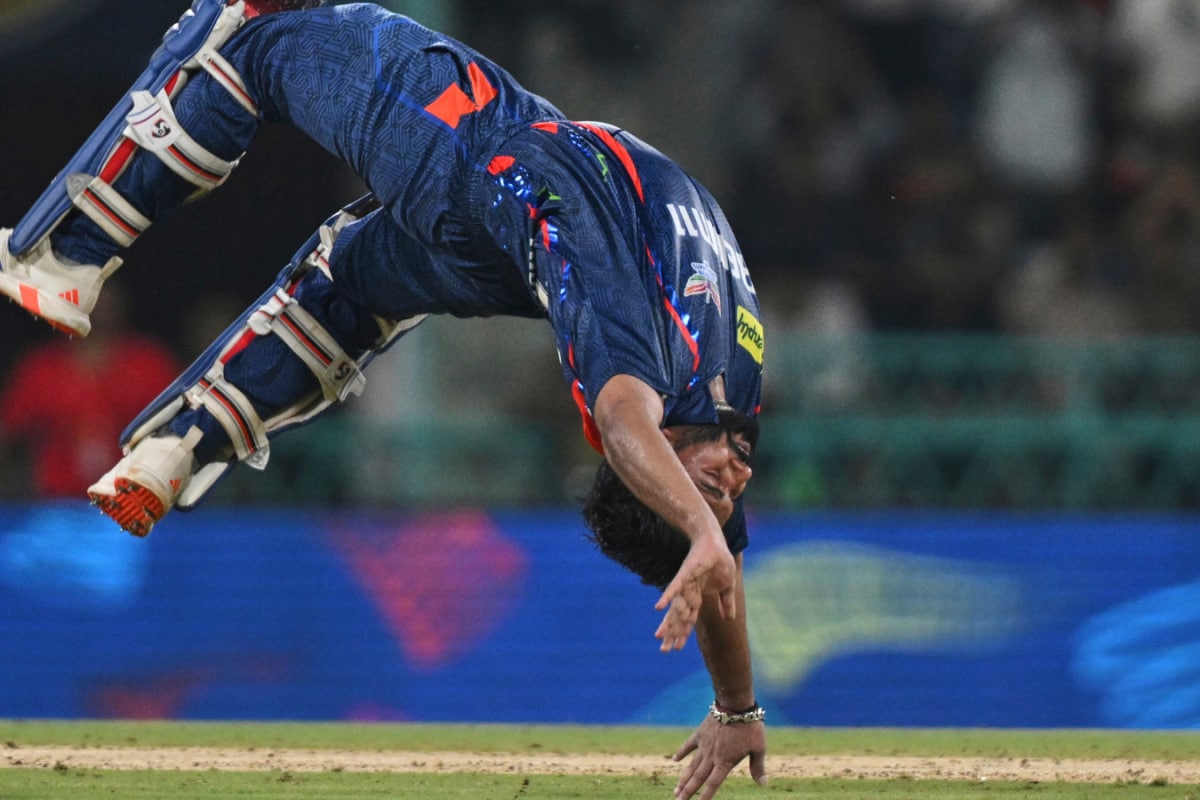
Lucknow Super Giants bulk up the attack
The Lucknow Super Giants have clearly prioritised their bowling unit in the latest build-up to the season. The arrivals of Wanindu Hasaranga and Mohammed Shami give the side both variety and bite — a wrist-spinner who can take turns and control the middle overs, and a seasoned fast bowler who brings pace, reverse swing and experience at the death. Josh Inglis also joins the squad, adding firepower with the bat and depth behind the stumps that can free up other players to focus on bowling roles.
Why the new signings matter
Hasaranga offers a valuable leg-spin option that can break partnerships and create pressure in the middle overs, a zone where IPL matches are often won and lost. Shami, meanwhile, brings proven skills to bowl with the new ball and in the closing stages, an area where teams crave reliability.
Inglis provides a natural attacking batter who can take on bowlers in the latter half of an innings and also serve as a backup wicketkeeper. Even if he is not a front-line bowler, his presence strengthens the overall balance, allowing the team to be flexible with bowling combinations.
Experts sound a cautionary note: lower-order batting remains a worry
Despite the clear upgrade to the bowling department, former cricketers and commentators such as Aakash Chopra and Irfan Pathan have pointed out a persistent problem for Lucknow: the lower-order batting looks fragile. In tight games, runs from No.7 onwards can be decisive — and that depth appears to be a weak link.
Chopra and Pathan’s concern is practical. When frontline batters fail or early wickets fall, teams need a tail that can hang on, rotate strike, and deliver some late hitting. Without dependable finishers or genuine all-rounders, LSG could still struggle to convert good bowling performances into victories if they fail to post defendable totals or chase under pressure.
Where the risk shows up
- Chasing close totals: lower-order resilience is often the difference in tight chases.
- Death-overs hitting: lack of finishers can mean lost momentum in the final overs.
- Flexibility on team selection: without batting depth, the side may be forced to pick extra batters at the cost of bowling options.
Possible fixes and smart moves
There are several ways LSG can address this weakness without overhauling the squad.
- Promote batting all-rounders: Give players with dual skills more responsibility and time in the middle order.
- Target finishers in the auction or trade windows: Find specialists who can close out innings and handle high-pressure scenarios.
- Role clarity and training: Work on situational batting in the nets and practice finishing under simulated pressure.
- Flexible batting order: Use Hong Kong-style matchups where needed, sending in hitters to counter specific bowlers late in the innings.
Looking ahead
On paper, Lucknow’s bowling now looks formidable. Hasaranga and Shami bring match-winning skills, while Inglis adds attacking depth. But IPL campaigns are won on balance — bowlers can restrict, but runs win matches. If Chopra and Pathan’s warnings about the lower order are accurate, LSG will need to patch that gap quickly to convert their new bowling strength into consistent results.
Fans will be watching closely: a strong bowling unit gives optimism, but the ability of the tail to contribute could define how far this team goes this season.