
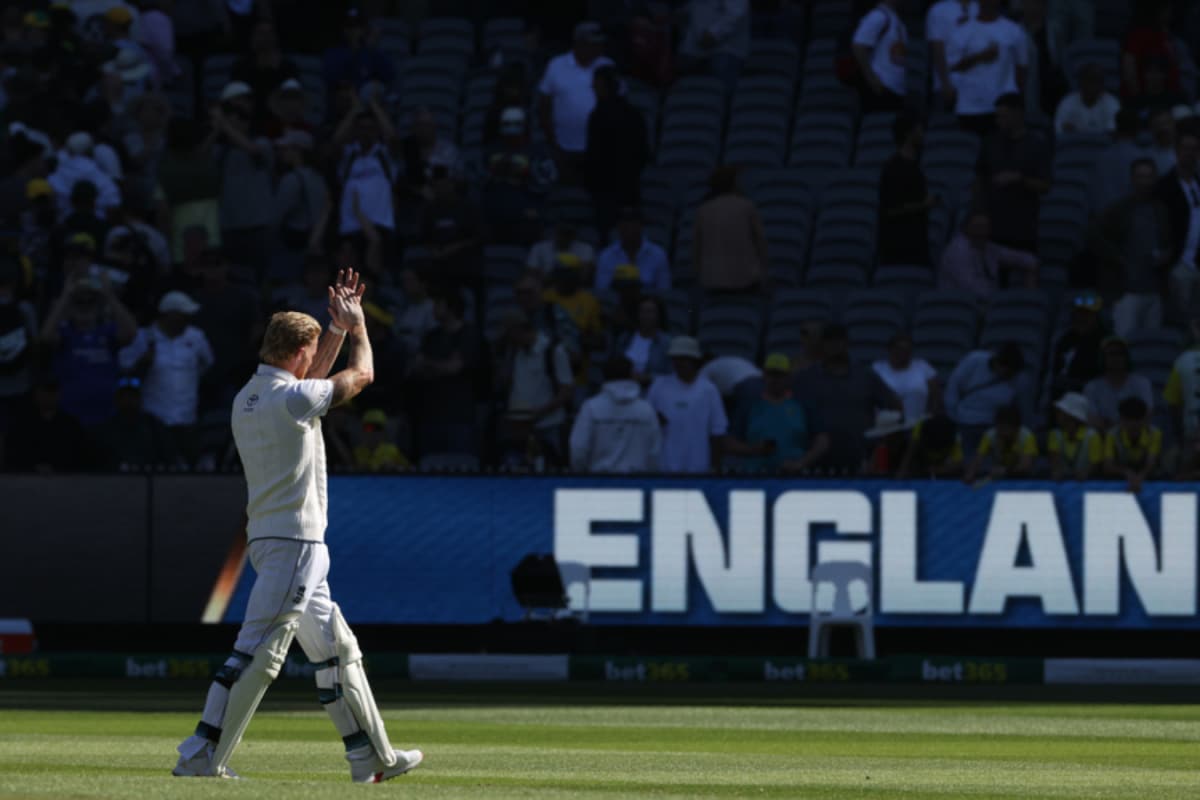
Veteran pundits savage MCG pitch after England wrap up Ashes inside two days
Former England captains and leading commentators Nasser Hussain and Michael Atherton publicly criticised the Melbourne Cricket Ground pitch after England completed a shock early victory in the Ashes inside two days. Both men said the surface failed the balance expected of a Test pitch, pointing to a lack of genuine spin, erratic movement and the wider fallout that could hit Cricket Australia financially and reputationally.
What the experts said
Hussain and Atherton argued that the pitch did not provide a fair contest between bat and ball over the course of a Test match. Their main points were:
- Little assistance for spinners — they said the surface offered almost no grip or turn, making spin bowling ineffective and removing a key dimension of Test cricket.
- Excessive and inconsistent seam movement — while movement for seamers is a natural part of Test conditions, the pair criticised the pitch for producing unpredictable lateral movement that made batting a lottery rather than a technical challenge.
- Loss of the traditional Test narrative — with the match effectively over inside two days, both felt fans and players were denied the ebb and flow that makes Test cricket compelling.
Why this matters beyond the scorecard
The issue is not only about one result. Hussain and Atherton warned of broader consequences if high-profile venues produce surfaces that fail the core principles of five-day cricket.
- Fan experience: Short games and one-sided contests can disappoint crowds who expect a multi-day spectacle.
- Commercial impact: Organisers risk losing revenue from reduced ticket sales, potential refunds and damage to broadcast or sponsorship value if fixtures are seen as poor quality.
- Player development and strategy: A pitch that consistently lacks spin or is unevenly paced forces teams to adapt in ways that could reduce the role of certain skills and alter selection decisions.
What Cricket Australia faces
Hussain and Atherton flagged that Cricket Australia could face “major financial losses” if these kinds of surfaces become a pattern. While specific figures were not cited, the logic is straightforward: fewer satisfied fans, potential demands for compensation, and a decline in the premium value of marquee Test matches would all hit revenue streams.
There is also reputational risk. Venues like the MCG carry heritage and high expectations. If pitches are repeatedly criticised by respected voices in the game, organisers must respond quickly to reassure stakeholders — fans, broadcasters, players and sponsors.
How this can be fixed
Both former captains implicitly called for stronger oversight and better planning around pitch preparation. Practical steps that might follow include:
- More rigorous pre-match assessments by neutral pitch inspectors to ensure surfaces meet Test standards.
- Clearer guidelines on the balance between seam and spin for curators preparing international Test wickets.
- Transparency from host boards about how pitches are prepared and what changes will be made for future matches.
Looking ahead
The criticism from Hussain and Atherton will increase pressure on Cricket Australia to explain the MCG pitch and outline what measures will be taken ahead of upcoming Tests. Fans and players alike want consistent, competitive surfaces that allow the full range of cricket skills to be showcased over five days.
Whatever the official response, the debate highlights a wider question for Test cricket: how to balance tradition, fairness and entertainment at the game’s most famous grounds. The answer will shape not only individual matches but the health of Test cricket at large.