
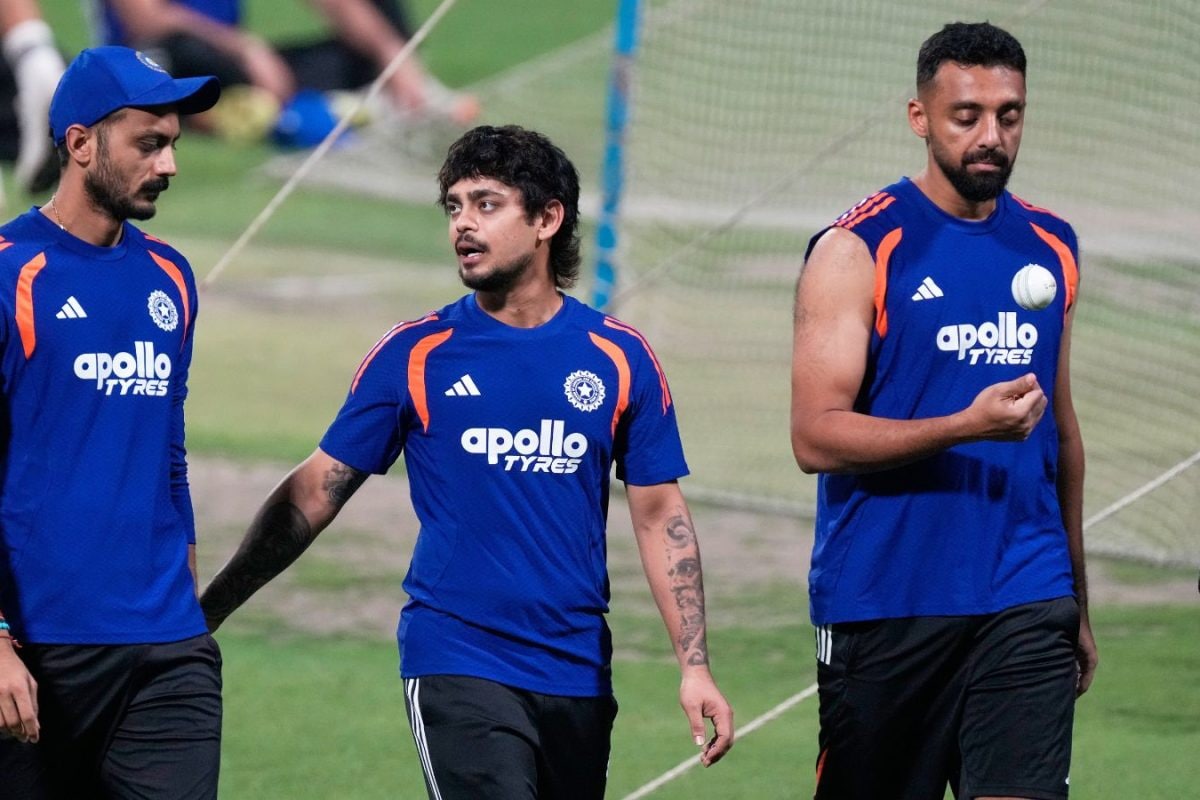
Bumrah the backbone as India faced England in T20 World Cup semifinal
Former India all-rounder Irfan Pathan has underlined just how central Jasprit Bumrah was to India’s bowling plan in the T20 World Cup semifinal against England. Pathan pointed to Bumrah’s ability to control the game in high-pressure moments — especially at the death — as the difference between a tight finish and a one-sided contest.
Why Bumrah mattered
Bumrah brings a rare combination of pace, accuracy and variation that is tailor-made for the shorter format. He can hit yorkers at will, mix slower balls and bouncers, and read batters’ intent quickly. That makes him the go-to option when the game is on the line. Pathan noted that when Bumrah is at his best, he not only restricts runs but also forces batters into risky shots, creating chances for wickets in the field.
Beyond skills, Pathan highlighted Bumrah’s calmness under pressure. In knockout games, experience and temperament often outweigh pure talent, and Bumrah’s track record in death overs gives India a strategic edge.
Varun Chakravarthy: form, questions and potential
Pathan also discussed Varun Chakravarthy’s recent form, describing it as a concern for India’s spin battery. Chakravarthy’s mystery spin can be a match-winner on its day, but inconsistency has crept in — a combination of rhythm issues and predictability at times.
Pathan suggested that Chakravarthy needs regular match practice and confidence-building spells. The wrist-spinner’s arsenal — flight, loop and subtle variations — remains potent, but he must regain the ability to unsettle batters and pick wickets in clusters rather than being economical alone.
How Chakravarthy can get back on track
- Shorter, targeted spells: Use him in shorter bursts where he can attack without being overexposed.
- Match practice: More game time at domestic or franchise level to rebuild rhythm and trust.
- Plan matchups: Bowler-batter plans that exploit specific weaknesses of opposition batters.
Wider bowling issues India must address
Pathan didn’t limit his analysis to individuals—he pointed to systemic bowling concerns that surfaced in the semifinal. When one bowler carries the burden, it exposes gaps in depth and balance. India’s bowling unit needs multiple reliable options across powerplay, middle overs and the death.
Key areas of concern he flagged include:
- Over-reliance on a single frontline pacer: If Bumrah is the only one consistently performing at the death, opponents will look to target other overs.
- Inconsistency among support pacers: Seamers must bowl tight, disciplined spells to complement the strike bowlers.
- Spin penetration: Spinners need to do more than contain; they must take wickets to build pressure.
- Workload management: Keeping fast bowlers fresh for tournament crunch games is essential.
Simple fixes that can help
- Rotate the bowling attack to keep players match-fit and confident.
- Use data-driven matchups so each bowler has a clear role and target batters.
- Improve death-over training, with specific scenarios simulated in practice sessions.
- Back young bowlers in international matches to build a deeper bench of reliable options.
Pathan’s message was clear: Jasprit Bumrah remains India’s trump card in the shortest format, but for sustained success in big tournaments the rest of the attack must step up. Varun Chakravarthy’s return to form would be a timely boost, and addressing the broader balance and depth of the bowling unit should be a priority before the next big game.