
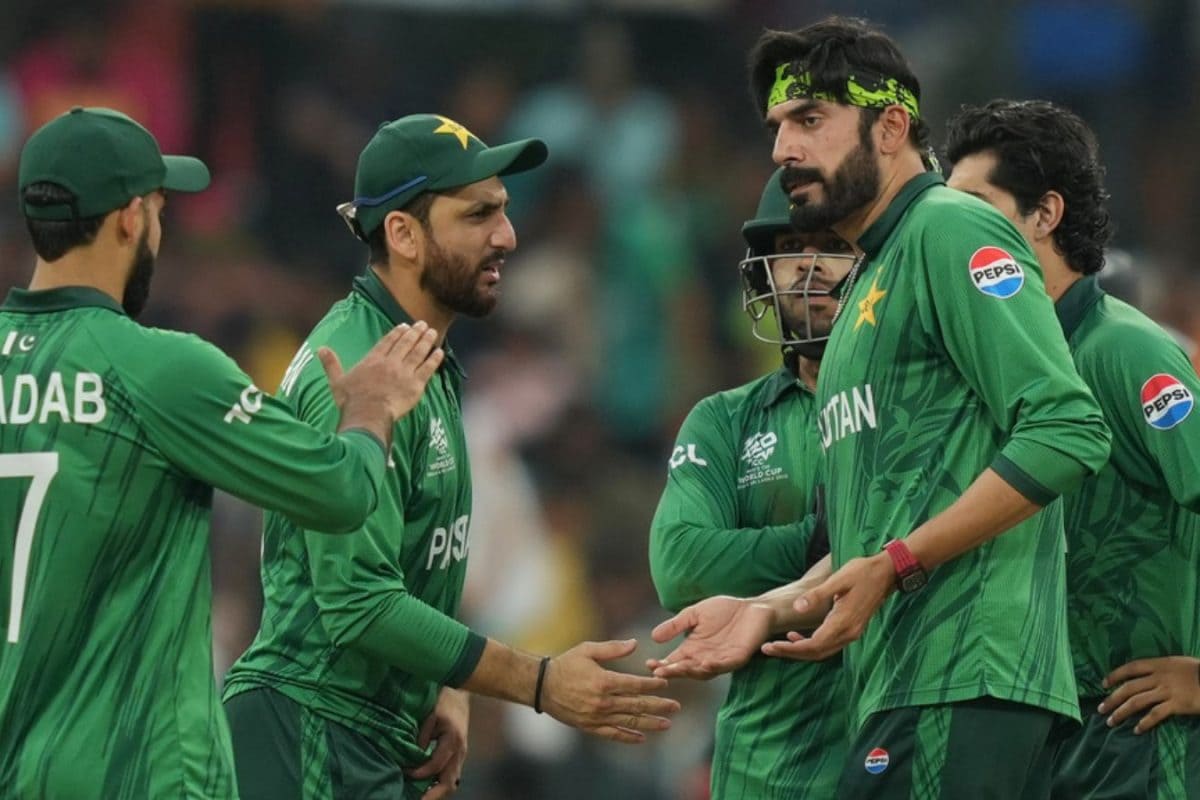
The England and Wales Cricket Board (ECB), backed by senior figure Vikram Banerjee, has urged The Hundred franchises to make player selections on the basis of ability and suitability — not nationality, religion or background. The call comes amid growing concerns that political tensions and ownership links could influence who gets contracted for the high-profile 100-ball tournament.
Why concerns have surfaced
The Hundred attracts a global pool of players and strong commercial interest. Several franchises have ownership ties to businesses and investors from the Indian subcontinent, and reports have suggested some teams may be reluctant to sign players from Pakistan. Those reports have sparked debate about fairness, discrimination and the integrity of team selection.
Cricket has a long history of crossing political lines, with international players enriching domestic competitions worldwide. But when off-field politics shape squad choices, the sport’s competitive balance and reputation risk being damaged.
What the ECB and Vikram Banerjee are saying
The ECB has publicly emphasised that selections must be based on merit and cricketing need. Vikram Banerjee — speaking in his capacity as an ECB member — reinforced that stance, urging franchises to keep the competition free from discriminatory practices. The message is straightforward: decisions should serve the game first.
Key points from the governing bodies
- Merit-based selection: Players should be chosen for their skills, form and tactical fit.
- Non-discrimination: Nationality, religion or political background must not be a factor.
- Transparency: Franchises are encouraged to be open about their recruitment approach and rationale.
Why this matters for The Hundred
The Hundred is still building its brand and credibility. Fans, players and broadcasters expect a level playing field where the best available cricketers are picked regardless of origin. If teams are perceived to be excluding players for non-cricket reasons, it could trigger public backlash, affect sponsorships and undermine the tournament’s competitive quality.
How franchises can respond constructively
Franchises that want to avoid controversy and demonstrate commitment to fair play can take practical steps:
- Adopt clear selection policies: Publish or communicate the factors used in recruitment and retention.
- Use independent panels: Include neutral selectors or advisors to reduce perceived bias in high-profile signings.
- Provide anti-discrimination training: Ensure staff and management understand legal and ethical expectations.
- Engage with stakeholders: Talk to players’ associations, broadcasters and fans to show accountability.
Players and fans are watching
For players, the assurance of fair treatment is vital for career planning and mental wellbeing. For fans, watching the best talent compete is the essence of any major tournament. Many in the cricket community will welcome the ECB’s reminder that sport should rise above politics.
The wider picture for cricket
Domestic tournaments around the world increasingly rely on international talent. Preserving selection on merit helps maintain the sport’s global appeal and development pathways. It also protects cricket’s core values: fairness, competition and mutual respect.
As The Hundred approaches its next season, the spotlight will remain on how franchises respond. Clear, merit-based selection policies would reassure fans and players alike — and keep the focus where it belongs: on cricket.