
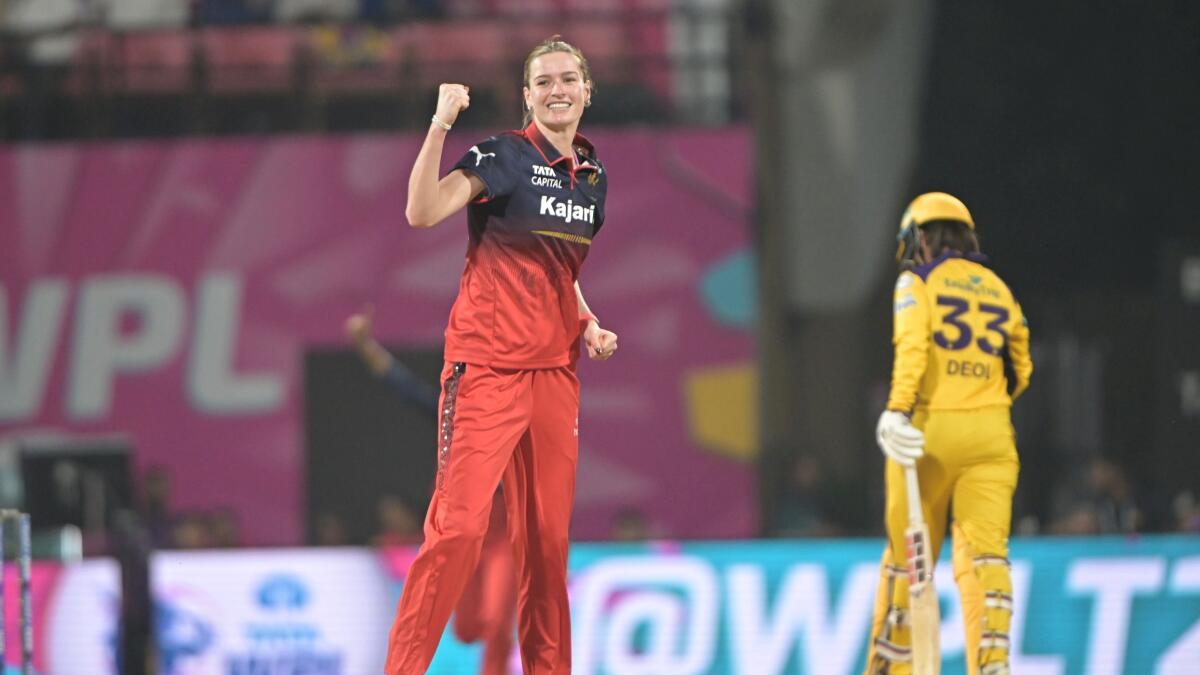
Nayar explains decision to send Harleen up the order
Nayar revealed that the move to promote Harleen as an opener was a clear tactical decision. The idea was to have a solid, technically strong batter at the top while the ball was moving, and to hold back the team’s natural power-hitters for the later, more aggressive stage of the innings.
Why a technical opener matters
When conditions favour movement — early seam or swing — an opener who is compact and technically sound can negotiate the difficult period at the start of an innings. Such batters tend to:
- leave the ball well and avoid risky shots early on
- build a steady platform by rotating strike and seeing off the new ball
- reduce the chance of early wickets that can destabilise the batting lineup
Putting a dependable player at the top gives the side a chance to preserve its big hitters for when the ball comes onto the bat and boundaries are easier to find.
Saving power-hitters for the back end
By postponing the introduction of power-hitters, the team aims to unleash them against older, softer balls and against tired bowlers. This approach is common in limited-overs cricket because:
- power-hitters are most effective when they can swing freely and use pace and width from bowlers
- late overs often provide more boundary opportunities and higher scoring potential
- it allows for clearer role definition: anchors at the top, aggressors toward the finish
Balancing risk and reward
The tactic carries both upside and risk. If the opening batter can blunt the new-ball threat and rotate strike, the team gains momentum and a platform for a late assault. But if the opener fails early, the middle order may be forced to adapt quickly, which can put pressure on power-hitters to change their natural game.
What this says about the team’s approach
Nayar’s choice signals a strategic, situation-aware approach to batting order. It emphasises match-by-match adaptability rather than a fixed lineup. When executed well, this plan can maximise scoring potential across the innings while protecting big hitters for decisive moments.
In short: send a technically sound player like Harleen to face the new ball, weather the movement, and then let the power-hitters finish the job when conditions favour big hitting.