
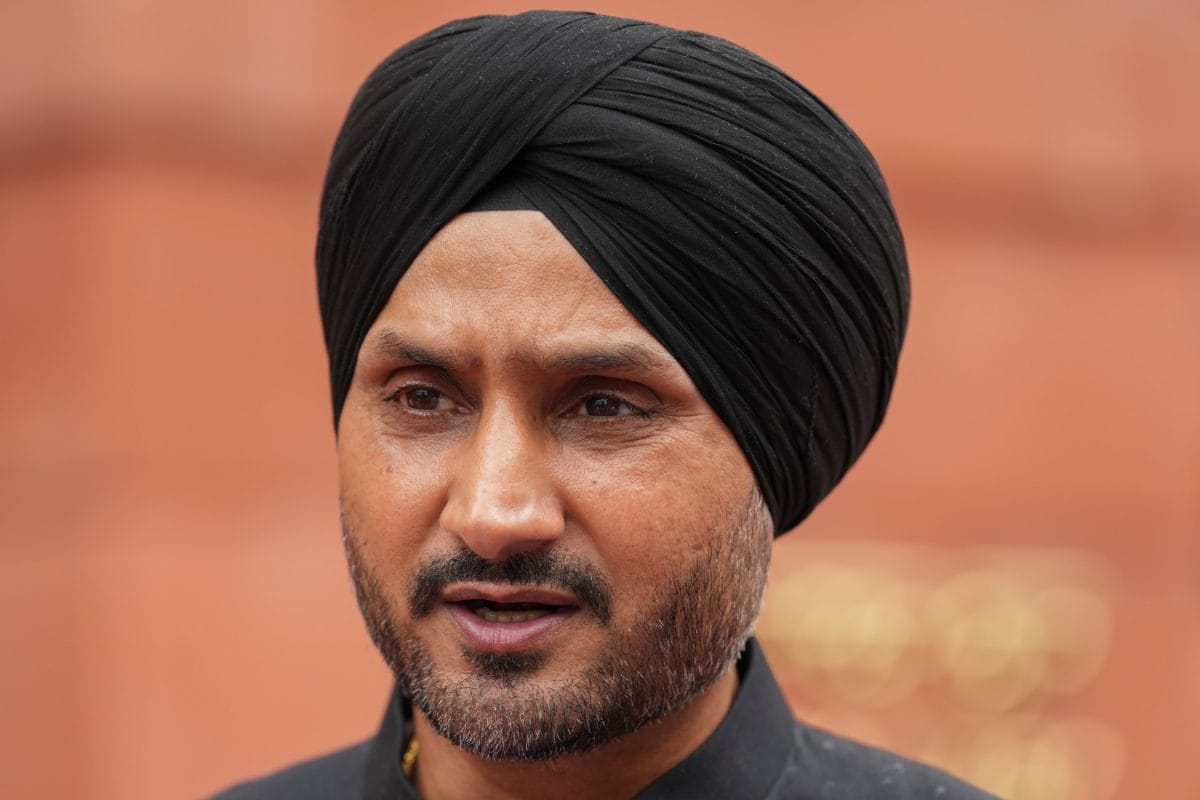
Harbhajan Singh Responds After BCB Asks ICC to Move 2026 T20 World Cup From India
The cricket world woke up to a fresh debate after the Bangladesh Cricket Board (BCB) formally requested the International Cricket Council (ICC) to consider shifting the venue of the 2026 T20 World Cup away from India. Former India off-spinner Harbhajan Singh quickly weighed in, offering a calm but pointed reaction that highlights the wider stakes involved.
Harbhajan’s take: Keep cricket above off-field issues
Harbhajan Singh urged cricket boards and administrators to prioritise the game and its fans. He suggested that mega-events like the T20 World Cup should remain stable to protect players, broadcasters and supporters — all of whom plan years in advance for tickets, travel and logistics. In his view, such tournaments should be insulated from non-cricketing disputes as much as possible.
While Harbhajan stopped short of taking sides, he emphasised the need for clear communication between member boards and the ICC so that any differences are resolved quickly and transparently. He also encouraged stakeholders to explore dialogue and mediation rather than immediate escalation.
What the BCB request means
- Formal process: A request to move a World Cup venue is significant and would need to follow ICC procedures. The council will have to review the BCB’s concerns and consider logistical, commercial and sporting impacts before deciding.
- Impact on fans and teams: Changing a host country affects schedules, ticketing, travel plans, and broadcasting arrangements. Players and support staff also face altered preparation plans.
- Broadcast and commercial stakes: Major events carry large broadcasting and sponsorship contracts. Any venue change would trigger negotiations and potential financial implications.
Community reaction and what to watch next
The cricket community — from fans to former players and commentators — quickly joined the conversation. Many echoed Harbhajan’s call for calm, stressing that shifting a World Cup is a complex exercise that should not be done lightly. Others pointed out that if there are legitimate security, diplomatic or logistical concerns, they must be addressed in the interest of player safety and the integrity of the tournament.
What will happen next is largely procedural. The ICC is expected to acknowledge the BCB’s request and evaluate it against existing hosting agreements, timelines and the legal and commercial framework surrounding the event. That review could take time, and the council will likely consult other member boards before reaching any conclusion.
Why stability matters for global events
Major sporting tournaments are planned years ahead. Organisers, host venues, cities and broadcasters coordinate across huge logistical networks. Sudden changes to a host can disrupt not only schedules but also the long-term confidence of fans and partners. Harbhajan’s reaction underscored that viewpoint: stable, predictable planning benefits cricket as a global sport.
Final thoughts
This is a developing story that touches governance, diplomacy and the business of sport. Harbhajan Singh’s call for dialogue and measured action resonates with many who want cricket to remain a unifying force. For now, cricket followers will be watching the ICC’s response closely to see how the matter is handled and what it means for the future of the 2026 T20 World Cup.