
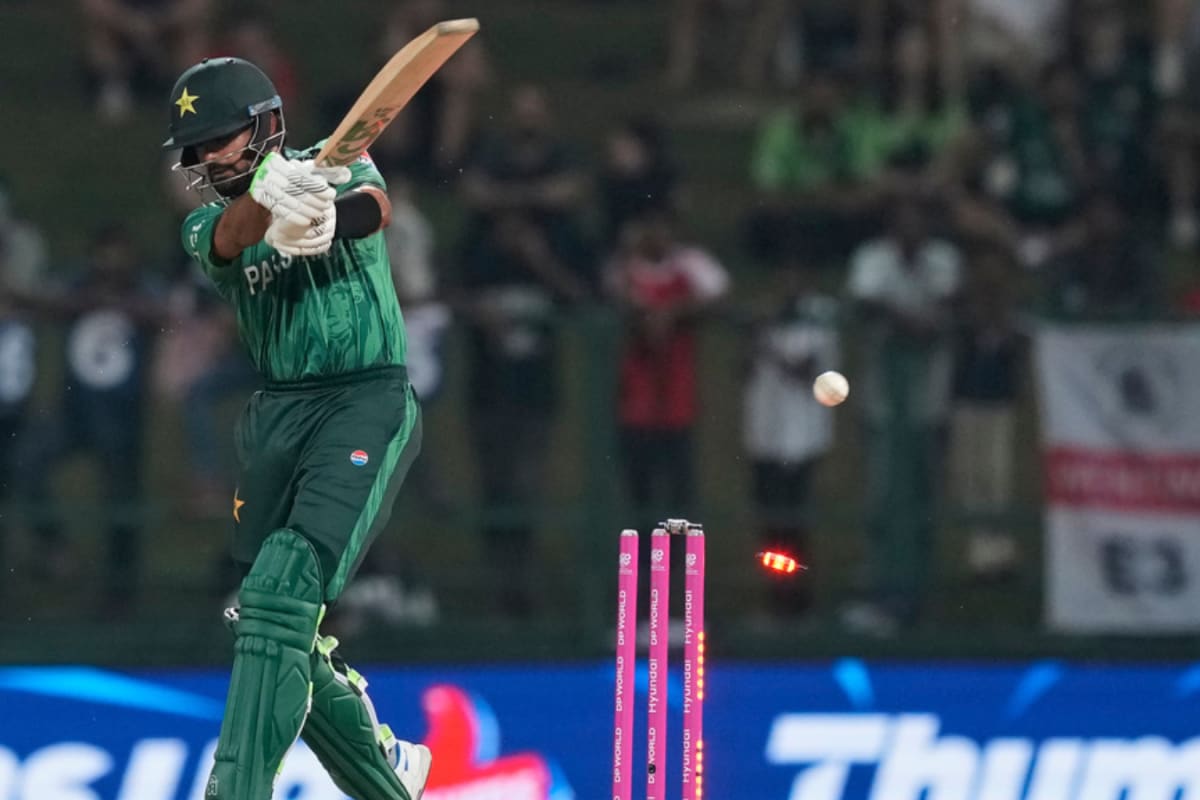
Babar Azam records lowest strike-rate in T20 World Cup history — 111.5
Babar Azam has been credited with setting an unexpected record at the T20 World Cup: the lowest strike-rate in the tournament’s history, recorded at 111.5. For a batter of his calibre, the number immediately draws attention and raises questions about form, tactics and conditions.
What does a 111.5 strike-rate mean?
Strike-rate in T20 cricket is the number of runs a batter scores per 100 balls faced. A strike-rate of 111.5 means Babar scored roughly 111.5 runs for every 100 balls he faced in the matches that count for this record. In the fast-paced T20 format, where batters often target strike-rates well above 120, a figure around 111 stands out as unusually low for a top-order player.
Why the figure matters in T20 cricket
- Match tempo: T20 is about scoring quickly. Lower strike-rates can slow the innings and put pressure on the team to accelerate later.
- Role expectations: As a regular top-order batter and Pakistan’s captain in many formats, Babar is expected to provide both stability and tempo.
- Team balance: When senior batters score slowly, the rest of the lineup is forced to change their approach, which can affect partnerships and planning.
Possible reasons behind the low strike-rate
There are a number of legitimate factors that can lead to a lower strike-rate without necessarily indicating long-term decline:
- Pitch and conditions: Slow or low pitches and helpful bowling conditions can make quick scoring difficult.
- Match situation: A team may need consolidation rather than aggressive scoring early in the innings.
- Quality of opposition bowling: Smart plans and disciplined bowling lines from the opposition can stifle even the best batters.
- Role adjustment: Captains or coaches might ask a senior batter to anchor the innings, sacrificing strike-rate for consistency.
- Short-term form: Even elite players go through patches of lower timing or confidence.
What fans and analysts are likely weighing up
Reactions tend to be a mix of concern and perspective. Some will focus on the raw number as evidence of a problem, while others will ask whether that approach helped the team in specific matches. Analysts will look at context — match situation, partnerships, and how the team fared overall — before drawing conclusions.
Implications for Pakistan and Babar’s role
- Team strategy: Pakistan may reconsider how they ask their top order to approach T20 matches, balancing anchor roles with designated finishers.
- Selection debates: Persistent low strike-rates at the highest level can spark discussions about role clarity or possible tweaks in batting order.
- Babar’s response: Given his track record and technique, many expect adjustments rather than a long-term decline.
Looking ahead
Numbers tell part of the story, but context completes it. A single record — even an unfavorable one — shouldn’t be the whole headline for a player of Babar Azam’s standing. What matters now is how he and the team adapt: whether by altering game plans, sharpening preparation against specific bowling attacks, or recalibrating roles to get the best out of everyone.
Cricket fans can expect plenty of debate, but also the possibility of a swift turnaround. T20 is unforgiving, but it’s also a format where momentum changes quickly — and a player of Babar’s class has proven before that he can find form when it matters most.