
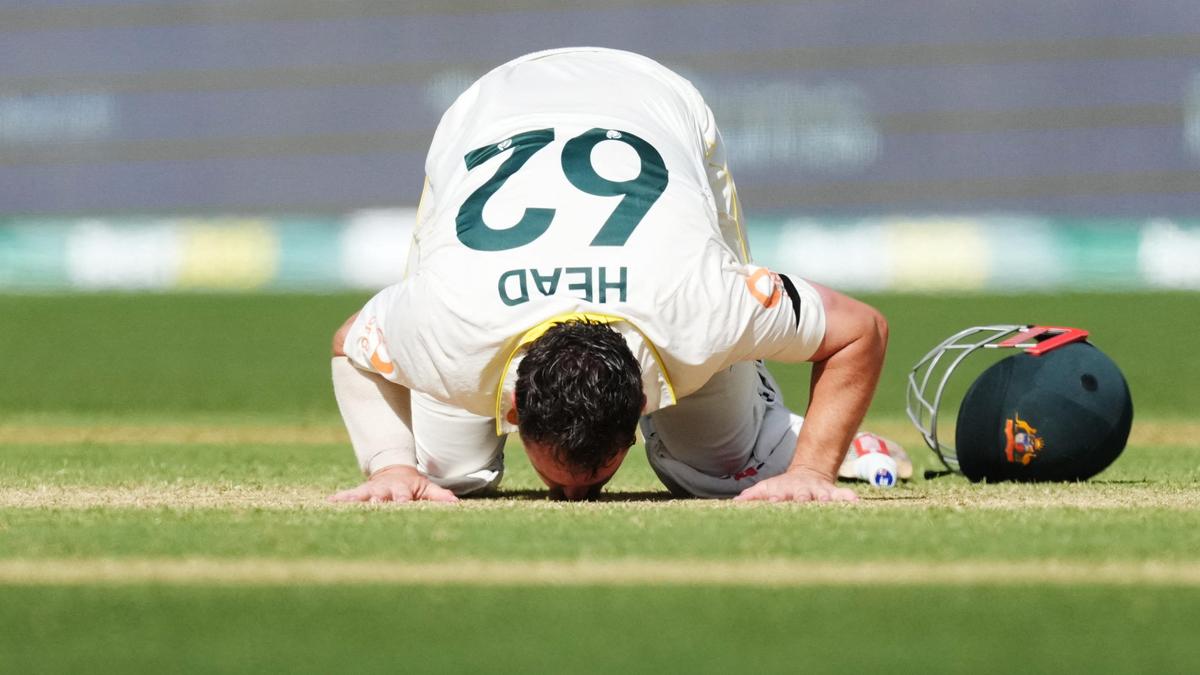
Head’s 142 not out: a different kind of match-winning knock
Travis Head’s unbeaten 142 was not the quickfire, 69-ball blitz we saw in Perth, but it turned out to be just as important. The innings combined patience with aggression at the right moments, anchoring the team through a tense middle period and pushing the side into a strong position.
A measured masterclass
There was none of the reckless speed of that earlier century, but Head’s 142* had a clear purpose. He rotated the strike, punished loose balls and accelerated when the situation demanded it. That kind of control is often more valuable than raw tempo — especially when the match context requires building a big total rather than chasing every boundary.
Carey’s timely support
Alex Carey provided crucial support behind the stumps and with the bat. His partnership with Head helped stem any momentum the opponents hoped to build and ensured singles kept coming. It was a reminder that even brilliant solo efforts need reliable partners to become truly match-defining.
Stokes: big runs, but no overs
After making an important contribution with the bat, Ben Stokes did not bowl in the innings. His decision — or the team’s management decision — to sit out with the ball highlighted how his batting effort had already taken a toll or altered the team’s balance. That choice freed up the bowling attack to rely on others, while preserving Stokes for future contests.
Impact on the game
- Stability: Head’s knock steadied the innings when wickets could have tilted momentum.
- Partnerships: Carey’s role underlined the value of support batting in turning strong individual form into team advantage.
- Bowling balance: Stokes not bowling shifted responsibilities and offered a glimpse into tactical choices captains make after heavy batting workloads.
Why this innings matters
It’s easy to compare huge scores by strike-rate alone, but cricket often rewards context. Head’s 142* was a critical innings that delivered at the right time, showing maturity and match awareness. That combination — a dominant player helped by steady hands and a captain managing resources — can be the difference in tight contests.
As the series or tournament moves on, teams will look back on this performance as one where experience and temperament mattered more than fireworks, and where strong partnerships and smart management shaped the outcome.