
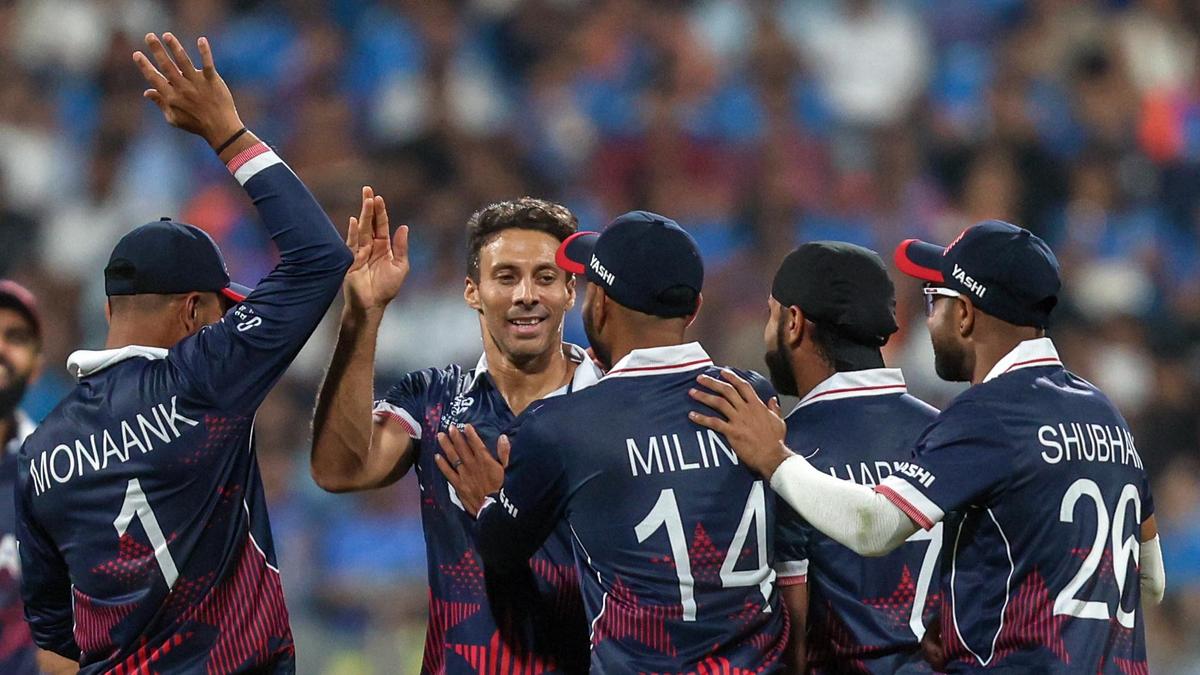
The last T20 World Cup was a reminder that cricket’s future is being written in fine margins. For the Associate nations, the tournament came down to a catch not taken, a handful of runs conceded, a chase left unfinished. Those inches separated victory from heartbreak, but they also revealed something more important: these teams belong on the global stage. The lingering question is whether the sport’s architecture — its schedules, funding, pathways and governance — is ready to meet their ambition.
Close calls that changed perceptions
Several matches in the tournament were decided by the slimmest of margins. Those moments mattered because they were proof points. When Associates take a top team to the wire, it stops being a surprise and becomes part of an emerging narrative: the competitive gap is narrowing. That shift affects selection, broadcasting interest, and the way fans view international cricket.
What the results proved
- Skill and temperament are no longer limited by status: Associates showed they can execute under pressure, chase totals, and defend tight scores.
- Improvement is accelerating: Investment in coaching, exposure to franchise cricket, and better domestic structures are paying off.
- Fan engagement is real: Passionate crowds, social media traction and local followings mean these teams bring value to events.
Where the game’s architecture still lags
Performance on the field is only one piece of the puzzle. The structures that surround international cricket are uneven, and they often disadvantage rising nations.
- Limited fixtures: Associates play far fewer international matches against Full Members. Regular high-quality opposition is crucial for growth.
- Funding and revenue share: Financial models tend to favour established teams. Without predictable funding, long-term planning becomes difficult.
- Pathways and domestic depth: Many countries lack robust domestic competitions and professional contracts, which limits player development.
- Access to high-performance resources: Training facilities, sports science support and experienced coaching remain unevenly distributed.
- Tournament formats and slots: Short tournaments, limited places and group draw structures can make success feel like a one-off rather than sustainable progress.
Practical steps to bridge the gap
The good news is the road forward is clear and actionable. Cricket’s governing bodies, broadcasters and leagues can take steps that are both pragmatic and high impact.
- Increase meaningful fixtures: Commit Full Members to regular bilateral series with Associates and ensure more competitive warm-up games ahead of global events.
- Expand tournament access: Provide more guaranteed slots and consider formats that reward consistency over single-tournament surprises.
- Long-term funding mechanisms: Create predictable grants for domestic leagues, coaching programs and youth development tied to performance goals.
- Integrate into franchise pathways: Encourage T20 leagues to allocate development slots or mentoring roles for Associate players to gain exposure.
- Invest in infrastructure: Build or upgrade high-performance centres, improve pitch standards and expand domestic competitions to create depth.
- Transparent pathways and promotion: Clear, merit-based promotion and relegation in qualification pathways can reward sustained improvement.
Why this matters for the sport
Cricket’s growth depends on being genuinely global. When more nations are competitive, the sport gains new audiences, fresh rivalries and a deeper talent pool. That isn’t just idealism — it’s smart business. Close, meaningful matches attract viewers, sponsors and broadcasters. They create stories that draw people into the game.
Looking ahead
The Associate nations have answered the critics on the field. The next test is off it. If administrators and stakeholders match the ambition shown by players with smart, sustained investment and fairer structures, the inches that decided a few matches will increasingly become margins consistently in favour of the underdog. That shift would make international cricket stronger and more compelling for everyone.