
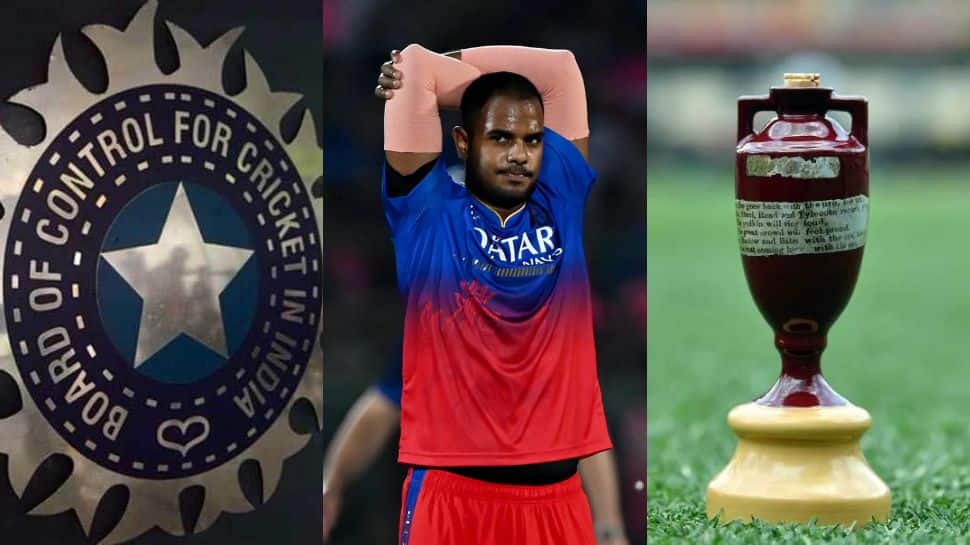
BCCI’s coffers swell past Rs 11,000 crore — what it means for Indian cricket
The Board of Control for Cricket in India (BCCI) has crossed a new financial milestone, with its finances now reported to be over Rs 11,000 crore. That figure underlines how dominant cricket’s commercial ecosystem in India has become, powered by strong broadcast deals, sponsorship income, and the continuing commercial success of the Indian Premier League.
For fans and stakeholders, the immediate questions are simple: how will the money be used, and what does it mean for the future of the game in India? While details of allocations will come through official budgets and annual reports, a few likely outcomes are already clear.
- More investment in grassroots and domestic cricket: Higher revenues give the BCCI room to expand domestic tournaments, improve facilities at state associations and academies, and offer stronger support for emerging players.
- Stronger central contracts and player welfare: With deeper pockets, the board can maintain or enhance pay structures, match fees and welfare schemes for current and retiring players.
- Infrastructure and international hosting: Funds can be directed towards stadium upgrades, practice facilities and potentially more frequent hosting of marquee international events.
- Distribution and governance challenges: As the pot grows, the debate over equitable distribution to state associations and transparent governance will gain fresh urgency.
The rise in revenue also keeps the spotlight on how the BCCI balances commercial priorities — including lucrative franchise tournaments — with the long-term health of the international and domestic game. Fans can expect continued professionalisation, but also heightened scrutiny on spending priorities and governance choices.
Yash Dayal suffers major court setback — uncertainty over immediate future
Fast bowler Yash Dayal has hit a legal hurdle after suffering a major court setback. The issue has introduced uncertainty around his availability and has become an unwelcome distraction for the player and his support team.
At present, the precise legal details are with the courts, and cricketing authorities are monitoring the situation. The setback could have short-term implications for selection, travel and match preparation depending on how events unfold in the coming days.
Possible cricketing consequences
- Selection implications: If the matter affects his ability to travel or play, selectors may need to consider alternatives for upcoming fixtures.
- Mental and physical preparation: Legal matters can take a toll on a player’s focus and form. Teams and player welfare staff often step in to provide support.
- Next steps: The standard legal route includes appeals or hearings — the timeline will determine the impact on his cricketing calendar.
Until official statements or court outcomes emerge, clubs, selectors and fans will be left waiting for clarity. The priority for everyone involved will be to ensure due process, player welfare and minimal disruption to the cricketing schedule.
Australia’s Boxing Day message: an all-pace XI to unsettle England
Australia have signalled aggressive intent for the Boxing Day Ashes Test by indicating they could field an all-pace XI at the Melbourne Cricket Ground. Choosing a seam-heavy attack for the Boxing Day Test is a bold tactical statement — one aimed squarely at exploiting pace-friendly conditions and immediately testing England’s technique and temperament.
Why an all-pace XI makes sense at the MCG
- Pitch and conditions: The MCG and Boxing Day conditions often offer bounce and carry that suit quick bowlers, especially early in the match.
- Pressure on opposition batting: Persistent short ball, steep bounce and high-quality seam bowling can undo even the most settled batting line-ups.
- Strategic surprise: Leaving a spinner out can be a gamble, but it brings a relentless, attacking rhythm to the attack that aims for wickets rather than containment.
The tactic will force England to make hard calls on their batting approach and selection. Will they prepare with more technical practise against short-pitched bowling, or alter their XI to include players better suited to low bounce and spin? The chess match between the two captains and their coaching teams promises to be fascinating.
What to watch during the Test
- How England’s top order handles sustained pace and bounce — early sessions could define the match.
- Captaincy and field settings — how both sides manage bowling rotations and pressure moments.
- Pitch behaviour over five days — whether the MCG deteriorates to a point where a spinner becomes relevant later in the week.
Australia’s all-pace posture is a clear tactical signal: they want to dominate with speed and aggression. England’s response, both in selection and mindset, will be crucial if they are to neutralise that plan and keep the Ashes contest alive.
Looking ahead
These three stories — booming BCCI finances, Yash Dayal’s legal setback, and Australia’s bold Boxing Day strategy — capture different currents running through modern cricket: money and governance, personal and legal vulnerabilities for players, and raw tactical innovation on the field. Over the next few weeks, fans should watch for official budget announcements from the BCCI, legal developments in Yash Dayal’s case, and the finalised Australian XI and pitch reports ahead of the Boxing Day Test.