
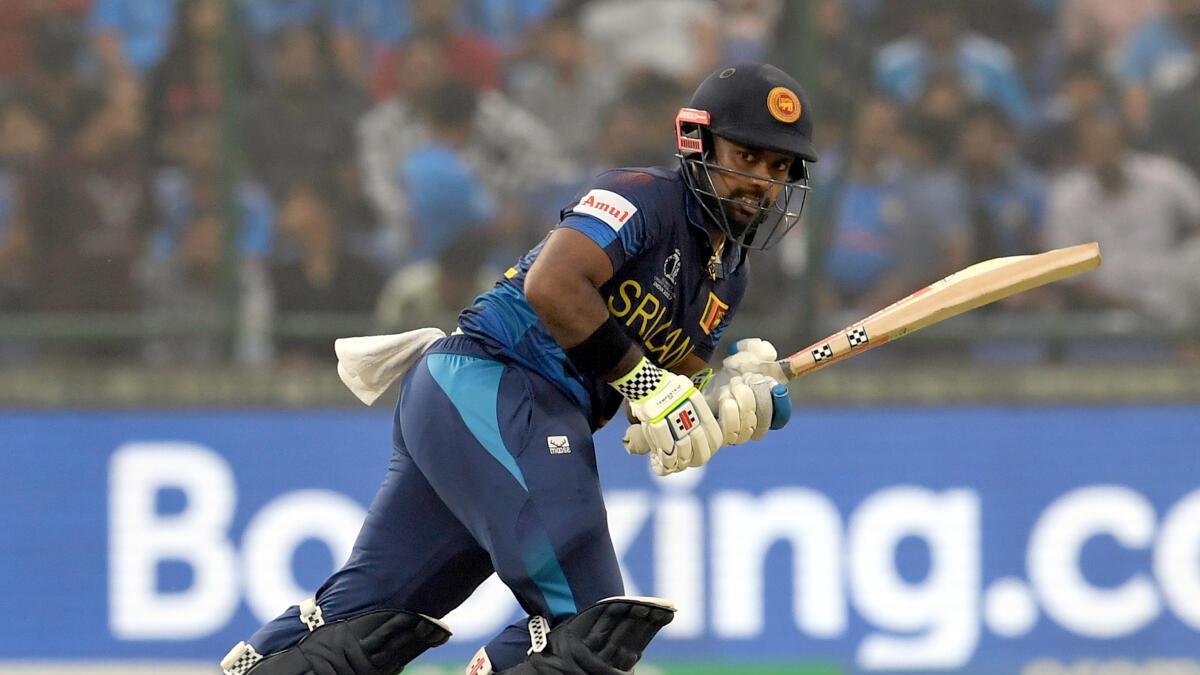
Selectors favour experience as Asalanka misses out
In a decision that underlines the age-old selection dilemma — form versus experience — the selectors have opted for Shanaka in their World Cup plans. The choice came after a review of recent performances, with Asalanka’s poor batting form cited as a key factor and Shanaka’s familiarity with the big stage, having played three previous World Cups, tipping the balance.
Why experience mattered
World Cups are high-pressure tournaments where small moments decide big outcomes. Selectors often look beyond raw talent to players who have been through those moments before. Shanaka’s multiple World Cup appearances give him an edge in reading tight situations, handling pressure, and mentoring younger teammates during crunch matches.
What Shanaka brings to the table
- Big-match temperament: Having played at the highest level in World Cups, Shanaka is seen as someone who can stay calm under pressure.
- Strategic awareness: Experience in tournament cricket usually brings better on-field decision-making and the ability to adapt quickly.
- Team balance: His presence can provide stability in the middle order and offer options in close finishes.
Asalanka’s form and the selection call
Asalanka is a talented bat, but form is the currency that selectors cannot ignore. Recent struggles with the bat appear to have undermined his claim for a World Cup spot. Selectors must consider not only potential but also current reliability — especially when final spots are limited and the margin for error is small.
Why form matters now
- Immediate impact: Tournament rosters need players who can contribute from the outset; selectors prefer those in good touch.
- Confidence and rhythm: A batter out of form can affect the middle order’s confidence and the team’s overall momentum.
- Competition for places: When multiple players vie for similar roles, recent performances often decide who gets the nod.
What this means for the team
Choosing Shanaka suggests the management values experience and stability for the World Cup campaign. It also signals that the team is prioritising match-readiness over long-term potential in this selection cycle. The move could influence the batting order and the roles assigned to other middle-order batsmen, who may now be expected to shoulder more responsibility.
Possible tactical effects
- Shanaka may be slotted into finisher or stabiliser roles depending on match situations.
- Selectors might use a greater mix of experienced players to guide younger talent through knockout pressure.
- Team plans could shift slightly to protect in-form but less experienced players while relying on Shanaka’s calm in the latter stages of games.
The road ahead for Asalanka
Missing out on a World Cup spot can be a wake-up call. For Asalanka, the immediate priorities will be getting runs, rebuilding confidence, and addressing technical or mental issues that have affected his form. Strong performances in domestic cricket and limited-overs fixtures will be essential to force his way back into contention.
Young players often respond to setbacks with renewed focus. If Asalanka can find consistent form quickly, selectors will have to reconsider, especially if injuries or loss of form elsewhere create openings.
Final thoughts
The selection reflects a calculated choice: pick a player who has proven he can handle the World Cup pressure over one currently struggling for form. It’s a reminder that international selection is as much about timing and reliability as it is about talent. For Shanaka, it’s an opportunity to add value with experience; for Asalanka, it’s a challenge to return stronger and make his case impossible to ignore.