
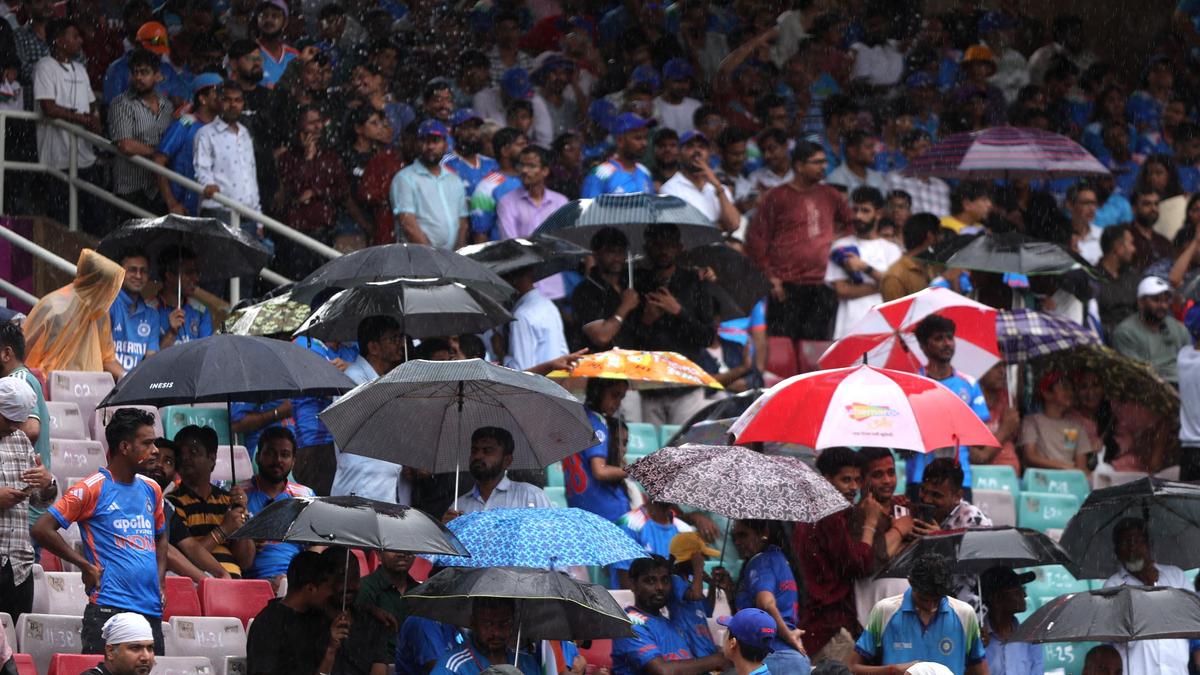
Rain disrupts both semifinals in Dubai
Heavy showers in Dubai have thrown a curveball at two high-stakes semifinal fixtures — India vs Sri Lanka and Bangladesh vs Pakistan. With both matches scheduled in the same city, the downpours have caused delays, uncertain start times and a scramble for contingency plans by organisers, teams and broadcasters.
What’s happened so far
- The outfields and pitch areas were affected by persistent rain, forcing ground staff to work under covers and postpone play until conditions improve.
- Match officials have been monitoring the weather closely and assessing whether play can begin after short intervals or if further decisions are needed.
- As of now, both semifinal ties remain in limbo, with the possibility of shortened games, reserve-day use or more significant schedule changes depending on how the weather develops.
How delays change the contest
Rain impacts cricket beyond just a late start. A reduced-overs game alters tactics for captains and coaches. Teams must be ready to recalibrate batting orders, powerplay plans and bowling rotations at short notice. Bowlers may find the ball behaving differently on a damp surface, while batters need to adjust to slower outfields and changing bounce.
Beyond tactics, momentum and mental preparation take a hit. Players who had planned to warm up or finish final practice sessions on the field must now adapt to indoor routines and wait for clearer signals on when — or if — they will get to play.
Rules and likely scenarios
- Shortened matches: If conditions improve but time is lost, officials may apply a reduced-overs format with a revised target calculated by the standard methods used in limited-overs cricket.
- Reserve days and windowing: Tournaments often have contingency plans such as reserve days or flexible start windows to accommodate weather interruptions.
- Abandonment: If play becomes impossible in the scheduled timeframe and no reserve option is available, organisers will follow the tournament rulebook to determine outcomes, which can mean washouts or other administrative decisions.
Impact on fans and broadcasters
For ticket-holders and local spectators the delays are disruptive — standing around in uncertain conditions, waiting for updates and, in some cases, facing the hassle of rearranged travel or accommodation. Broadcasters also face a scheduling challenge, needing to fill live slots or push transmissions to later times.
Organisers typically communicate updates through official channels, while social media becomes the main source for real-time information. Fans tuning in from overseas will be especially sensitive to changes because of tight broadcast windows.
Teams staying ready
Both semifinalists know how quickly momentum can swing in knock-out cricket. In these situations, the teams that adapt fastest — staying sharp in indoor training, maintaining focus and having flexible game plans — usually gain an edge once play resumes.
Ground staff and match officials have a crucial role to play too, working tirelessly to get the surface playable once the rain clears. Their efforts often determine whether a full contest can take place or a compromise has to be accepted.
Looking ahead
With two major semifinals affected in the same city, every passing hour will bring new clarity. For now, fans should keep an eye on official updates and expect last-minute changes. Whatever the outcome, the interruptions add an extra layer of uncertainty to already tense knockout drama — and when the cricket does start, the pressure and stakes will be even higher.