
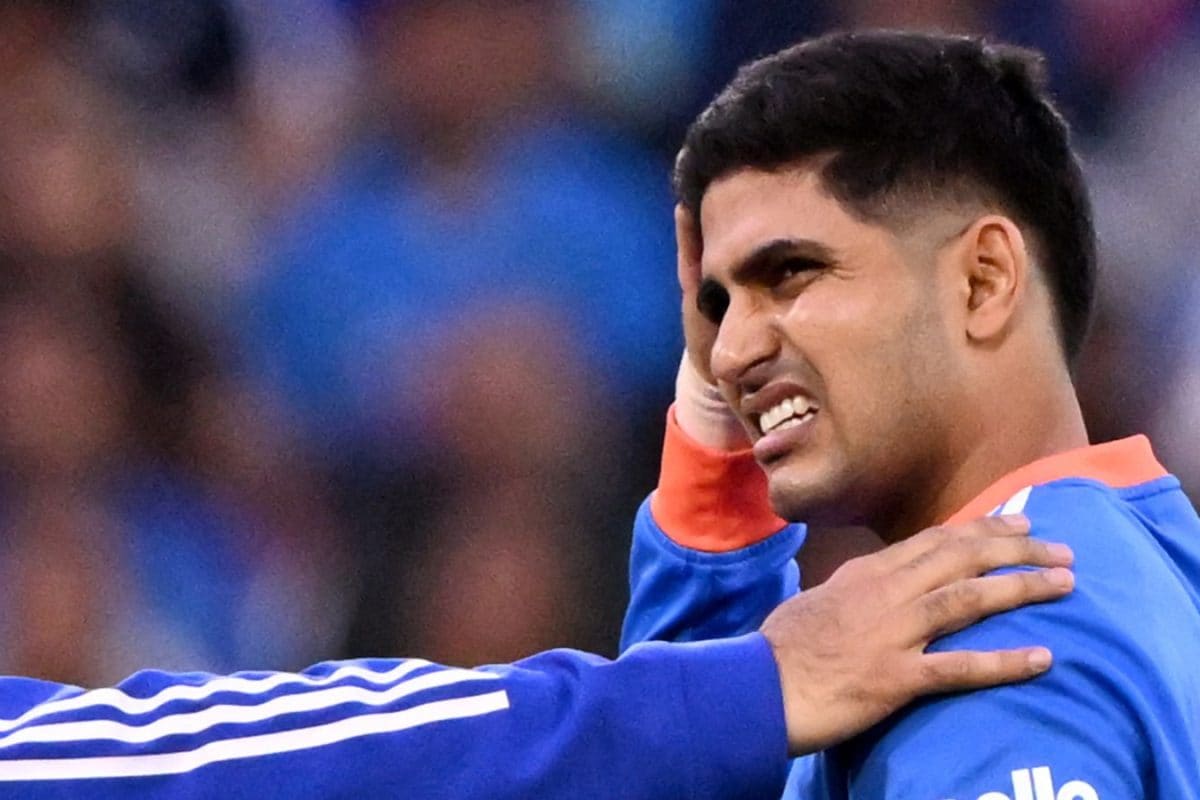
Why leaving Shubman Gill out of India’s 2026 T20 World Cup squad makes sense
Shubman Gill is one of India’s brightest batting talents, and his omission from the 2026 T20 World Cup squad will sting for him and his supporters. Still, when you look at team needs, player form and long-term planning, the selectors’ decision can be understood. Here are three clear reasons why this move was reasonable.
1. Team balance and role requirements in T20 cricket
T20 selection is often about roles more than reputation. Teams need a specific mix of players: aggressive power-hitters who can clear the ropes, finishers who can close innings at a high strike rate, genuine all-rounders who cover multiple overs, specialist death-bowlers and variety in the batting order.
- Gill’s natural game is more of an anchor: He builds innings and plays with classical technique — traits that shine in Test and ODI cricket but are not always the first choice in the shortest format, where raw strike rate and boundary frequency often win matches.
- Selectors likely prioritised explosive options: At the international T20 level, selectors often pick players who offer immediate power or a clear finishing role. If those roles were already filled by players with proven T20 impact, it reduced the need to include another top-order accumulator.
- Combination and matchups matter: Having the right left-right mix, different strike-rotation skills and specialist death-overs bowling can force a known player out despite their broader quality.
2. Recent T20 form and adaptability under pressure
Selection decisions are usually driven by recent performances. In T20 cricket selectors look closely at how a player adapts to the format’s tempo — ability to accelerate, clear boundaries, and shift gears during the innings.
- Inconsistent T20 output: If a batter struggles to keep a high strike rate or to deliver quick, match-defining cameos in domestic leagues and international T20s, it raises doubts about suitability for a World Cup squad.
- Situational hitting and finishing: The modern T20 game rewards players who can up the scoring rate in the middle overs and finish with big hitters at the end. Selectors may have preferred players who have shown consistent success in those high-pressure scenarios.
- Fielding and versatility: T20 demands athletic fielding and the ability to slot into different batting positions. If other candidates offered more flexibility or superior fielding impact, that would be a decisive factor.
3. Long-term planning, workload and giving chances to specialists
India’s management often thinks beyond a single tournament. Squad construction can be guided by long-term player management, workload control and the need to develop T20 specialists.
- Protecting a multi-format asset: Gill is still young and extremely valuable across formats. The India setup might choose to preserve his workload for Test and ODI commitments where his technique and temperament deliver huge value.
- Creating opportunities for T20 specialists: Omitting a star like Gill opens a spot for a true T20 specialist or an emerging player who brings a different skill set. That helps broaden the national pool and builds depth for future tournaments.
- Meritocracy and recent performers: Selection often rewards players in red-hot form. If others had standout seasons in the IPL or international T20s, they would naturally edge ahead in a tight selection race.
What this means for Gill — and for India
Being left out of a major tournament is disappointing, but it doesn’t define a career. For Gill, this is a signal to sharpen the T20 aspects of his game — power-hitting routines, strike rotation under pressure, situational awareness and even finishing practice. He already has the technique and temperament; adding consistent T20 aggression will make him unstoppable across formats.
For India, the decision reflects a focus on clear roles, balance and current T20 effectiveness. The squad that follows this logic aims to maximise matchups and finish games under pressure — the metrics that win World Cups in the shortest format.
Ultimately, selection is a snapshot of a team’s needs at a given time. Gill’s omission may close one door for now, but with adjustments and strong performances in domestic and international cricket, he should be back in contention soon.