
How T20 Leagues Have Changed Modern Cricket
The rise of franchise T20 cricket over the last 15 years has reshaped how the sport is played, watched and managed. What began as a fast, entertaining alternative to longer formats has grown into a global ecosystem that influences player careers, national teams, broadcasting, and even fan culture.
From novelty to necessity
T20 started as an experiment in entertainment, but its impact quickly went beyond the boundary ropes. Leagues such as the Indian Premier League (IPL), Australia’s Big Bash League (BBL), Pakistan Super League (PSL), Caribbean Premier League (CPL) and others turned short-format cricket into a year-round spectacle that attracts billions of viewers and significant commercial investment.
What has changed on the field
- Faster scoring and inventive batting: Players now train specifically for power-hitting, improvisation and quick strike rotation. New shots and smarter use of field placements have become common even in one-day and Test cricket.
- Bowling evolution: Bowlers have adapted with a wider arsenal — slower balls, cutters, yorkers at pace, and innovative variations. Death bowling has become a specialist skill.
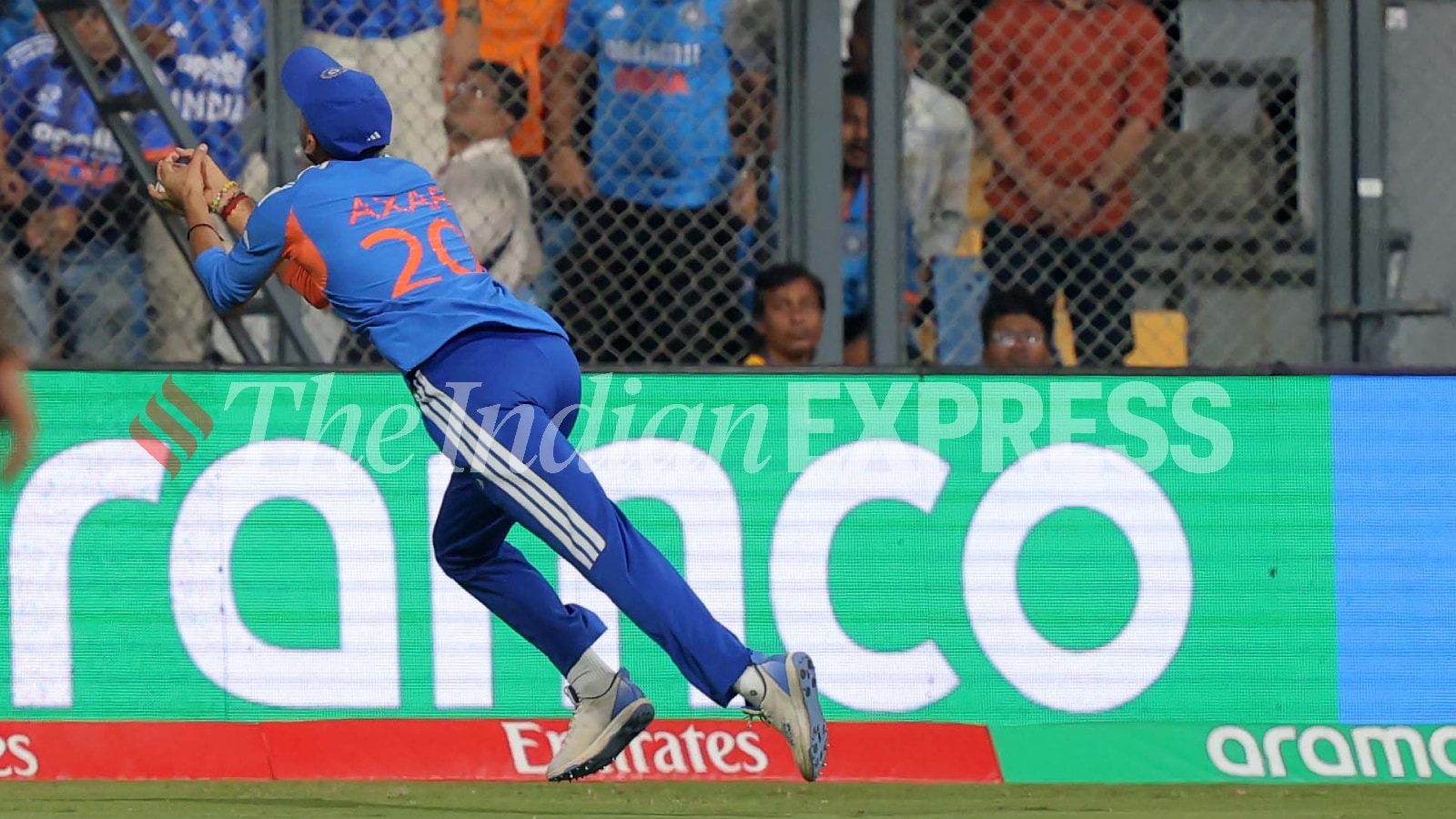
- Fielding standards: Athleticism is higher than ever. Leagues demand top-level fielding, and teams invest heavily in fitness and agility coaching.
- Strategic planning: Captains and coaches use data analytics for match-ups, game phases and player usage. The tactical layer of cricket has become more detailed and numbers-driven.
Impact on players and national teams
For many players, franchise leagues offer financial security and global exposure. Young talents can fast-track their careers by performing on big stages, while seasoned players extend their professional lifespan by specializing in T20 roles.
But this shift has created challenges for national teams. Packed calendars and overlapping tournaments force boards into difficult choices about player workload and release policies. A growing number of players now manage competing commitments between country and franchise, prompting debates about priorities and the future structure of international cricket.
Economics and the business of cricket
Franchise cricket has become a major revenue stream for boards, broadcasters and sponsors. The model — combining entertainment, celebrity culture and high-stakes sport — has attracted big-money deals and new audiences. Cities hosting teams see local economic benefits from matchdays and associated hospitality.
At the same time, the financial gap between cricketing nations and individual franchises has widened. Well-funded leagues can lure top talent, while smaller boards struggle to keep pace. This has led to calls for more equitable revenue sharing and coordinated scheduling between leagues and international cricket.
How fans have changed the game
- Fan experience: Shorter matches, music, and on-field entertainment have broadened cricket’s appeal beyond traditional audiences.
- Global fandom: Fans follow players across leagues and countries, building cross-border loyalties that didn’t exist before.
- Digital engagement: Social media highlights, fantasy leagues and streaming have made cricket more accessible and interactive.
Challenges and criticisms
No revolution comes without pushback. Critics argue that an overemphasis on T20 could harm the future of Test and one-day cricket by encouraging short-format techniques at the expense of classical skills. Concerns also exist around player burnout, scheduling congestion and the potential dilution of national team priority.
There are calls for better coordination among the International Cricket Council (ICC), national boards, and league organizers to protect player welfare and ensure balanced development across formats. Clear windows in the calendar, workload management, and incentives to play international cricket are commonly suggested solutions.
What the future might look like
Expect continued growth of franchise cricket, but also more collaboration to address its side effects. Possible trends include:
- More structured international windows to reduce clashes between leagues and national series.
- Enhanced player contracts that balance franchise rewards with national duties.
- Greater investment in grassroots and multi-format coaching to preserve the long-term health of Test and ODI cricket.
- Innovations in broadcasting and fan engagement to keep expanding the sport’s global reach.
Why it matters
T20 leagues have brought fresh energy, new money and global visibility to cricket. They have transformed careers and how fans connect with the sport. The key for cricket’s future will be finding the right balance — embracing the benefits of franchise cricket while protecting the traditions and competitive integrity of international formats.
Whatever direction the game takes, one thing is clear: the sound of the ball off the bat in a packed stadium will keep drawing fans, whether they’re watching a five-day Test or a pulsating 40-over night match under lights.