
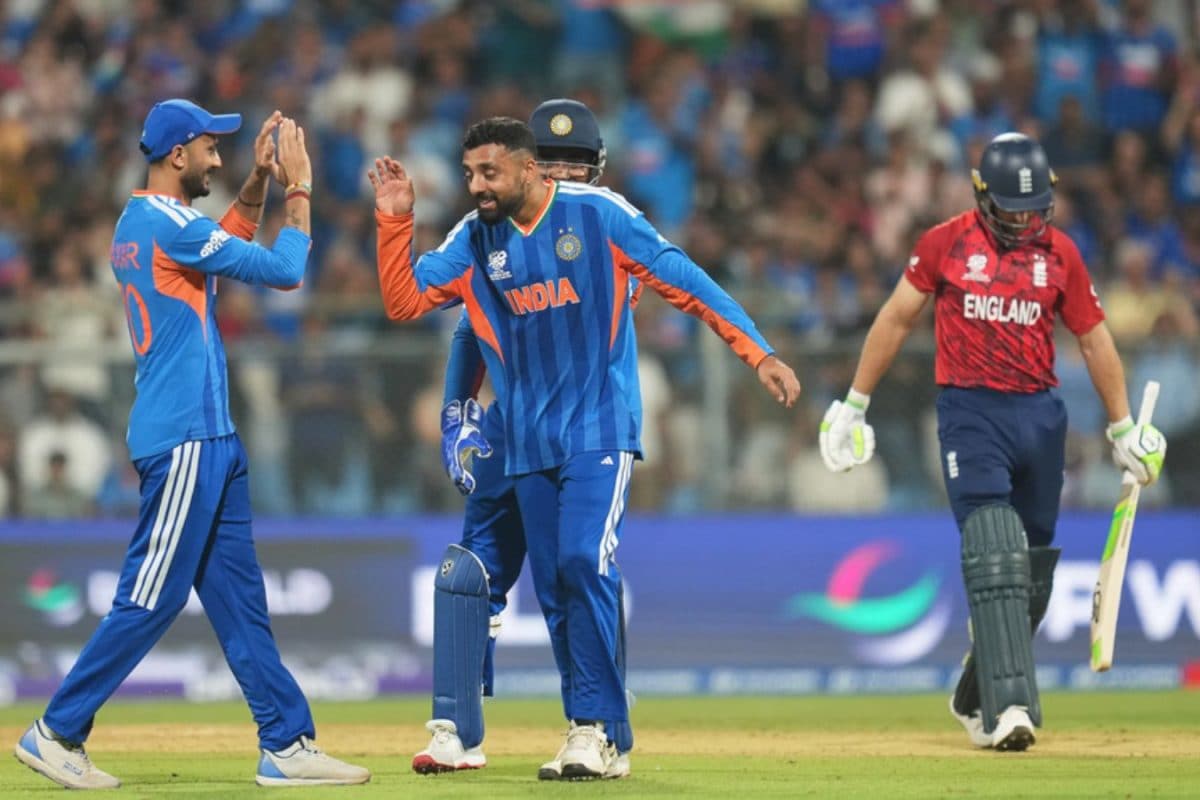
Sehwag Backs Varun Chakravarthy After Costly Semifinal; Points to Flat Tracks
Varun Chakravarthy’s figures in the recent T20 World Cup semifinal — conceding 64 runs — drew plenty of attention, but former India opener Virender Sehwag moved quickly to defend the mystery spinner. Sehwag argued that the conditions and flat pitches left little for wrist spinners to work with, and he highlighted Chakravarthy’s positive moments, most notably the clean-bowled of Jos Buttler.
Sehwag’s main argument
Sehwag stressed that numbers alone don’t tell the whole story. He pointed out that on dead, batter-friendly surfaces, spinners get less purchase and can be hit for runs even when bowling well. For Sehwag, Chakravarthy’s ability to uproot a key batter like Buttler — hitting the stumps straight — shows skill and temperament despite the expensive spell.
Match moment that mattered
Chakravarthy’s dismissal of Buttler stands out as the defining moment of his outing. Clean-bowling a marquee batter in a high-pressure semifinal underlines Chakravarthy’s wicket-taking ability and variation. Even in a game where he conceded heavily, that wicket demonstrated why captains trust him in critical phases.
Conditions and pitch influence
- Flat tracks: Flat surfaces reduce turn and grip for spinners, making it harder to control runs and extract traditional variations.
- Batter-friendly boundaries: Short boundaries and true bounce give hitters confidence to attack spinners early, inflating economy rates.
- Small sample size: In T20 cricket, a single expensive spell can skew perceptions, especially in knockout games where pressure and intent to score are high.
What the performance means for Chakravarthy
Despite the expensive figures, Chakravarthy’s wicket of a world-class batter is a reminder of his match-winning potential. Sehwag’s defence suggests that selectors and team management should view the semifinal performance with context — looking beyond the economy rate to assess skill, control, and the ability to deliver at key moments.
Takeaways for fans and analysts
- Metrics need context: Economy and wickets are important, but pitch and match situation alter their significance.
- Wicket quality counts: Dismissing a high-impact batter can be more decisive than a tidy but uneventful spell.
- Chakravarthy’s role: He remains a limited-overs weapon, especially when conditions allow spin to flourish. On flatter tracks, teams may need to support him with field placements and bowling combinations.
Looking ahead
For Chakravarthy, the focus will be on learning and adapting. Wrist spinners often thrive on subtle changes and confidence; a big wicket in a big game is a confidence boost even if the scoreboard looked harsh. Sehwag’s intervention is a reminder that experienced voices often urge patience — cricket is as much about context as it is about numbers.
Whatever the final outcome of the semifinal, the debate around Chakravarthy’s performance highlights a broader conversation about how we judge T20 bowlers on pitches that increasingly favor batters. For now, his ability to remove players like Buttler ensures he remains an intriguing and valuable option in the shortest format.