
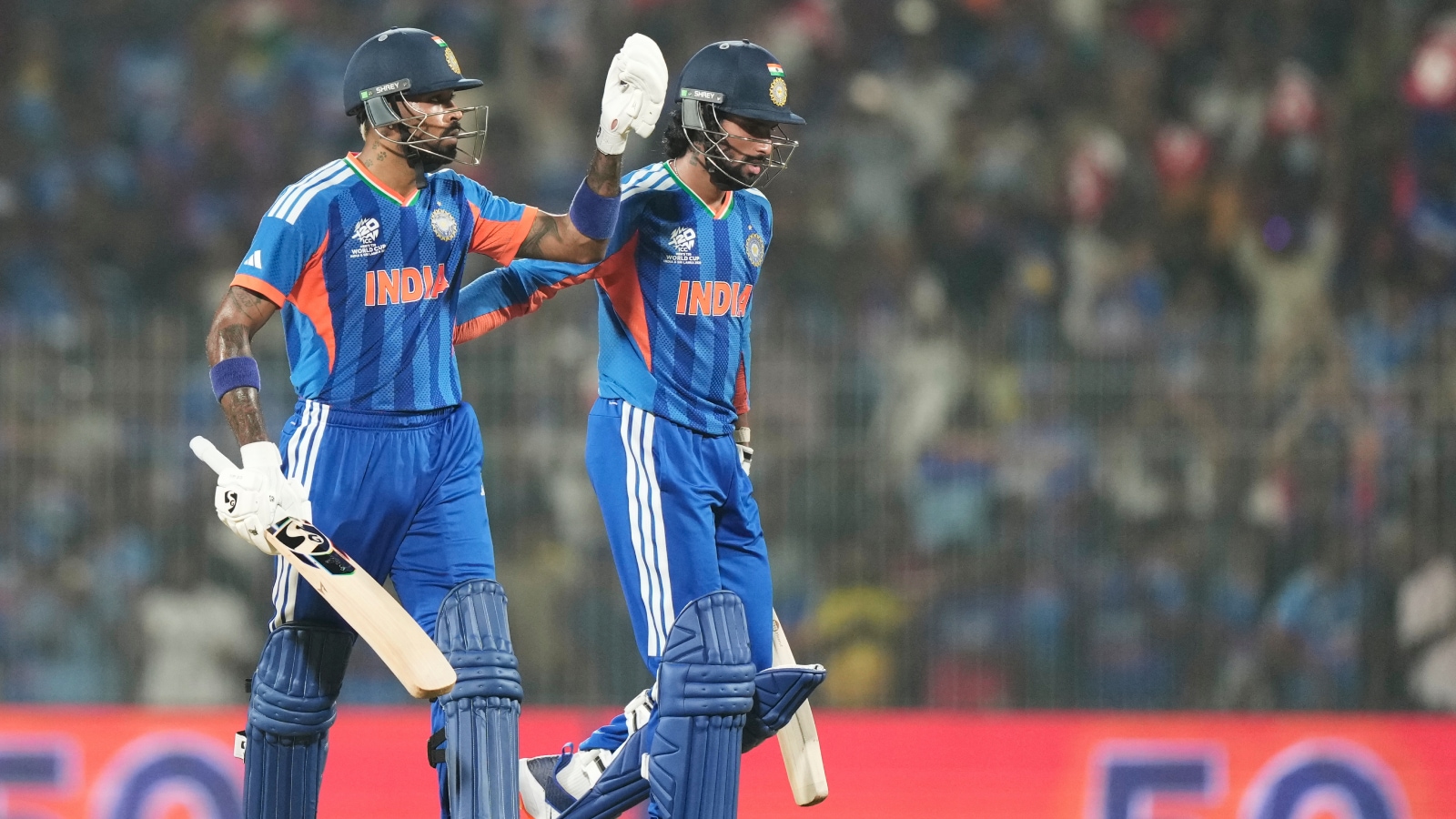
The rise of the spinner in T20 cricket
Spin bowling has quietly become one of the most powerful weapons in the shortest form of the game. Once seen mainly as a containment tool, spinners now win matches with aggressive lines, clever variations and bold captaincy decisions. Teams that used to rely almost entirely on fast bowlers in the powerplay and death overs are increasingly turning to spinners to control scoring, break partnerships and turn the tide.
Why spinners work so well in T20
- Variations beat timing: Modern spinners have a wide range of deliveries — slower balls, cutters, sliders and different-arm angles — that unsettle batters looking to time the ball perfectly.
- Pressure through dot balls: Dot balls from spinners build pressure quicker than ever. In T20s, a good spell of dot balls often leads to rash shots and wickets.
- Fielding restrictions are changing roles: With batters targeting boundaries, teams protect the boundary with more fielders, creating gaps and chances for spinners to bowl clever lines and induce mistakes.
Wrist spin vs finger spin: who has the edge?
Wrist spinners get the headlines often because of their big turns and wicket-taking ability, but finger spinners are equally valuable. Finger spinners usually offer tighter lines and economy, while wrist spinners are the go-to option when a breakthrough is needed. Captains now mix both types to create different pressures and keep batters guessing.
How tactics around spinners have evolved
Captains are more willing to use spinners in non-traditional overs — from the powerplay to the death. This flexibility comes from improved match analytics and the growing trust in big-hitting spinners. A spinner who bowls well at the death can dramatically alter the run rate and save up to 10–15 runs in the last few overs.
Using spinners in the powerplay
When spinners bowl in the powerplay, they can disrupt the rhythm of aggressive openers. With fielders inside the circle, the reward for smashing a spinner is not as high as hitting a fast bowler over the infield, and mis-timed shots often lead to early wickets. Smart captains use this to choke the scoring rate early and force the opposition to rebuild.
Match-ups and planning
Teams now select spinners based on detailed match-ups. Left-arm spinners, leg-spinners and off-spinners are chosen depending on batter weaknesses, pitch behavior and even ball type. This micro-planning gives spinners more opportunities to exploit small advantages.
Impact on batting approaches
Batsmen have adapted too. Many batters now practice range-hitting, improvise lofted shots and work on playing the spinner late. But the best batters still struggle to find consistent answers. The duel between a crafty spinner and a fearless batter is one of the most compelling battles in T20 cricket.
Why improvisation sometimes fails
Improvised shots like ramps, scoops and sweeps look exciting but are high risk against quality spin. Good spinners vary pace at the right moment and change length to make improvisation less effective. Players who combine solid basics with smart innovation tend to succeed more often.
Pitch and conditions: where spinners thrive
Pitch preparation plays a big role. Dry, abrasive surfaces favor spinners by offering more grip and turn. But even on flatter tracks, spinners can succeed through angles, flight and subtle changes in pace. Some venues are now seen as “spinner-friendly,” and teams plan their lineups accordingly.
What to watch next in the spinner revolution
- Young wrist spinners breaking through: Keep an eye on emerging leg-spinners and mystery spinners making early impacts in domestic leagues.
- Specialist death spinners: The trend of using spinners in the final overs will grow as more coaches teach death-bowling skills to spinners.
- Hybrid bowlers: Bowlers who can switch between finger and wrist spin or bowl useful medium pace may become highly sought after.
Final thought
Spin has shifted from a supporting role to a match-defining force in T20 cricket. Teams that adapt quickly, blend spin with pace cleverly and use analytics to exploit match-ups will keep finding success. For fans, the spinner-versus-batter battles provide drama, strategy and some of the most entertaining moments in modern cricket.