
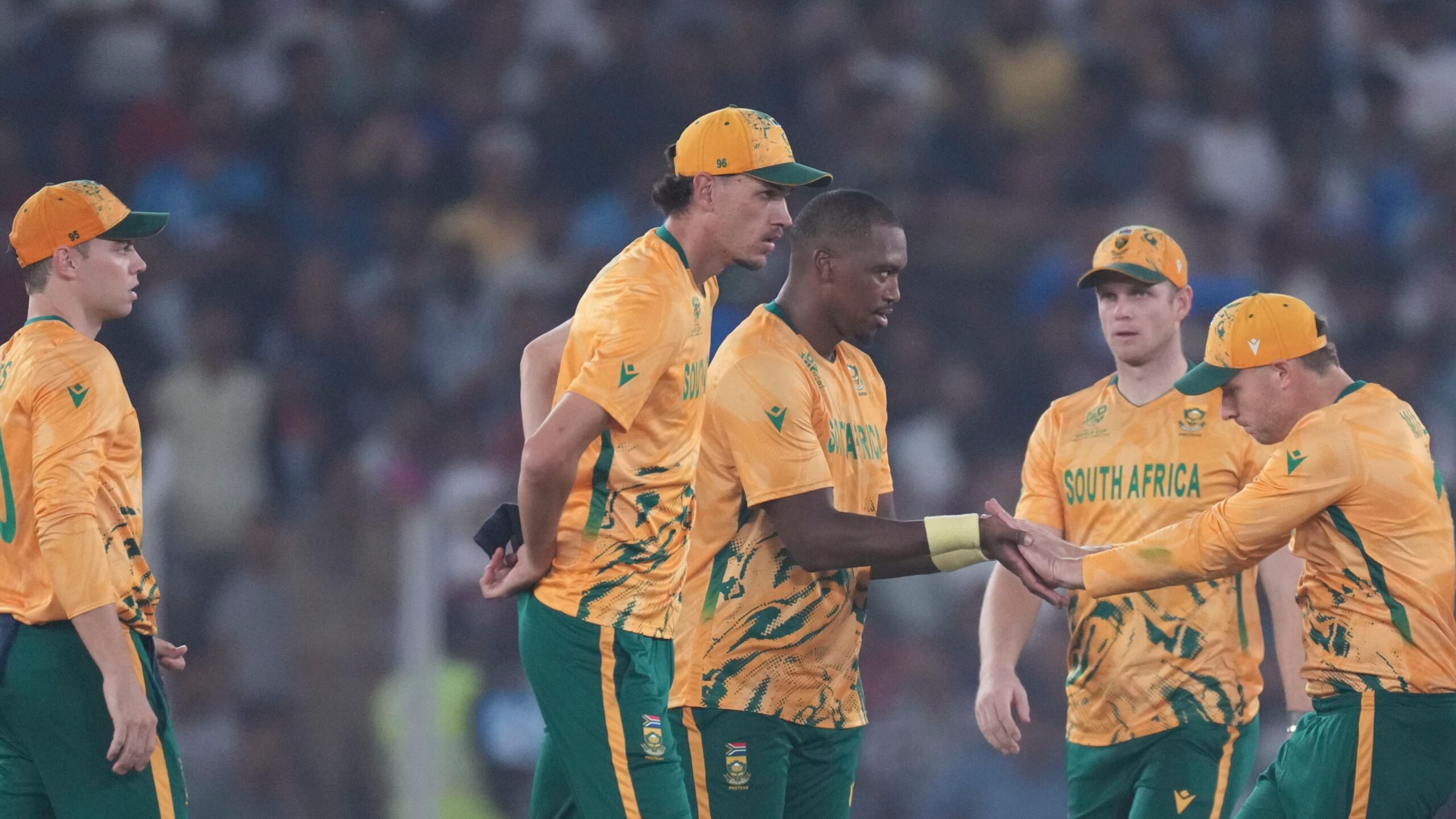
The fielding revolution: why athleticism now decides more matches
Cricket is not just about bat and ball anymore. Over the last two decades, fielding has moved from a supporting role to a match-winning skill. Teams that invest in athleticism, sharp throwing, and smart positioning regularly turn tight games in their favour. For fans and players alike, watching these small margins change the result is one of the most exciting parts of modern cricket.
The evolution of fielding in modern cricket
Once considered an add-on, fielding is now a core part of team strategy, especially in T20 and white-ball formats. The rise of specialized coaches, strength and conditioning programs, and data-led positioning has transformed how teams train and select players.
- Fitness first: Players are faster, more agile and better conditioned to cover ground quickly.
- Technique matters: Catching at pace, dive-slide pickups and flat, accurate throws to the stumps are practiced repeatedly.
- Fielding as a selection tool: Players who save 20–30 runs through athleticism can be as valuable as those who score a quick 30.
Why fielding carries so much weight today
Shorter formats have increased the premium on saving runs and creating wickets from mistakes. A spectacular catch or a direct-hit run-out can shift momentum instantly. More subtle contributions—saving boundaries with perfect ground fielding or building pressure with rapid pick-ups—also add up over an innings.
- Run prevention: A single saved boundary each over can change required run rates in tight chases.
- Momentum swings: One brilliant piece of fielding can break a batter’s rhythm and inspire the whole team.
- Supporting bowlers: Confident fielding encourages bowlers to be more aggressive with slower balls, Yorkers and bouncers.
Key skills teams are training today
Coaches focus on a handful of repeatable, high-impact skills that translate into match situations:
- Safe catching: High catches, slip catches and reaction catches in the circle.
- Ground fielding: Sliding dives, quick pickups and overhead pickups that stop boundaries.
- Throwing accuracy: Flat, fast throws to the stumps and relay throws from the deep.
- Anticipation and reading the bat: Knowing where the ball will go before it’s hit.
- Communication: Crisp, confident calls to avoid collisions and ensure clean takeovers.
How fielding influences team selection and tactics
Selectors increasingly weigh fielding ability alongside batting and bowling. In T20 leagues and international squads, an extra fielder who can change the game with one spectacular play is often preferred over a teammate who offers only marginal gains with bat or ball.
Tactically, teams use fielding strengths to shape bowling plans. A team with quick infielders will back bowlers to bowl tight lines and build pressure through saved singles. Conversely, a team lacking fielding depth might aim to take wickets early to limit risky singles and boundaries.
Technology, analytics and the fielding lab
Behind the scenes, technology plays a growing role. High-speed cameras, biomechanical analysis and positional data help coaches fine-tune footwork, throwing angles and diving techniques. Teams set up specialized drills to simulate match scenarios—pressure catches, chase-downs and double-run plays—to build muscle memory under fatigue.
Memorable moments that shaped the sport
Iconic fielding displays have left a lasting impression on how the game is played. From lightning run-outs in last-over finishes to acrobatic boundary saves and one-handed grabs, those moments made fans and players rethink the value of athleticism. They also inspired younger cricketers to spend time in the nets improving their speed and reflexes, not just their batting or bowling.
What fans should look for next
- Watch for teams who rotate players specifically for fielding capability in certain conditions.
- Notice how captains position more attacking fields when they trust their infielders.
- Pay attention to boundary riders and their ability to save crucial runs in the final overs.
Conclusion
Fielding is no longer an afterthought. It wins matches, shapes careers and excites crowds. As formats evolve and athletic standards rise, expect fielding to continue growing in importance. For players, the message is clear: train hard, move fast, and never underestimate the power of a single, perfectly timed save.