
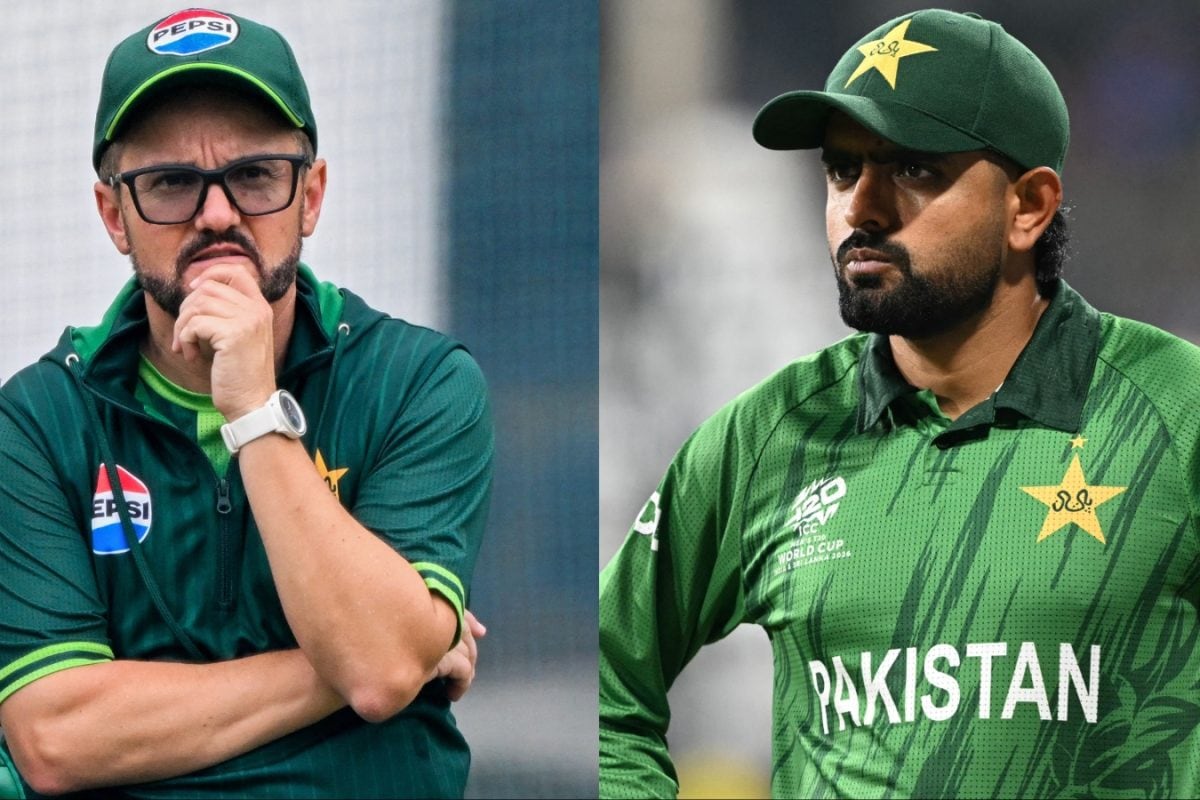
Vaughan: Hesson Keeping Babar in XI as an “Insurance Policy”
Former England captain Michael Vaughan has suggested that Pakistan coach Mike Hesson is reluctant to drop ex-captain Babar Azam from the playing XI. Vaughan argued that, because of politics within Pakistan cricket, Hesson treats Babar more as an insurance policy than a selection strictly based on form or team balance.
What Vaughan is saying
Vaughan’s view is blunt: even if Babar’s recent performances raise questions, the coach faces pressures beyond pure cricketing judgment. As a result, Hesson appears to keep Babar in the side to avoid a backlash from within the system and the public. Vaughan framed this as a political reality in Pakistan cricket that shapes selection decisions.
Why this matters
- Selection integrity: If team picks are influenced by factors other than form and strategy, it can undermine confidence among players and fans.
- Team balance: Holding a place for one player for non-cricketing reasons can restrict opportunities for in-form players waiting for a chance.
- Coach’s authority: For Hesson, managing that line between maintaining control and appeasing stakeholders is a delicate task.
What “insurance policy” likely means in practice
Vaughan’s phrase suggests a few practical moves Hesson might be using:
- Retaining Babar in the XI even when his form is patchy, to avoid controversy.
- Altering Babar’s role—moving him up or down the order, or using him as a stabiliser in pressure situations.
- Keeping Babar involved in leadership or mentoring roles to justify his spot while easing performance expectations.
Pros and cons of this approach
- Pros: It can protect team cohesion in the short term and preserve public faith by showing continuity with a big-name player.
- Cons: It may block deserving players, create selection frustrations, and send mixed messages about accountability and performance standards.
How Hesson can navigate the situation
Hesson’s challenge is to balance politics with performance. A few pragmatic steps could help:
- Be transparent about selection criteria and communicate changes clearly to players and fans.
- Rotate roles to keep the best combination on the field while giving chances to inform players.
- Use data and clear messaging to defend selections if controversies arise, reducing the perception of off-field influence.
Looking ahead
Whether Vaughan’s assessment is fair or not, the wider point remains: managing elite players in politically charged environments is never straightforward. For Pakistan cricket, the key will be finding a path that rewards form, preserves unity, and gives the team the best chance of winning. How Hesson balances those demands with the presence of a high-profile former skipper will be one of the storylines to watch in upcoming series.