
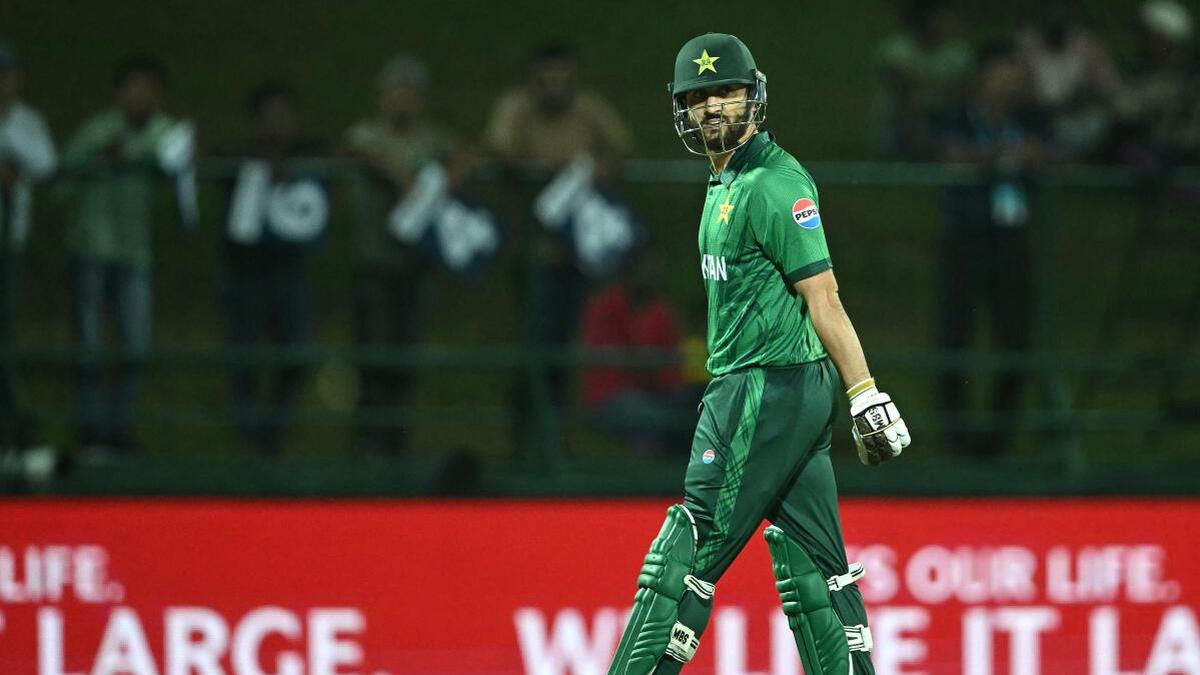
Emotions ran high at Pallekele on Tuesday after Pakistan’s narrow two-wicket defeat to England, and some fans crossed the line. Instead of the usual post-match disappointment and analysis, a section of the crowd resorted to abusive language aimed at players — a reminder that passion can sometimes spill over into unacceptable behaviour.
What unfolded at Pallekele
The match ended in a tight finish, with England clinching victory by two wickets. While close finishes often bring dramatic scenes and loud celebrations, the reaction from some fans went beyond cheering and jeering. Reports from the ground indicated that abusive language was directed at players, creating a sour note at the end of an otherwise gripping contest.
Why crowd conduct matters
Cricket is built on respect — for opponents, officials, and the game itself. When fans use abusive language, it affects several people:
- Players: Verbal abuse can hurt morale and distract players who are already dealing with the sting of defeat.
- Other fans and families: Abuse makes the stadium environment hostile for children, foreign visitors, and neutral supporters.
- The sport’s image: Repeated incidents risk damaging cricket’s reputation and could lead to stricter crowd controls or sanctions.
Not just loud — sometimes harmful
There’s a big difference between passionate support and personal attacks. Chanting and disappointment are expected after a loss, but abusive language targeting individual players crosses a line. Such behaviour not only undermines sportsmanship but also makes the game less welcoming for everyone involved.
Impact on players and team culture
Players are used to scrutiny, but personal abuse can affect focus and mental well-being. Young cricketers in particular may find it harder to recover from public shaming. Teams and coaching staff often have to manage not only the technical fallout of a loss but also the emotional ripple effects caused by hostile crowd behaviour.
What can be done — steps forward
Addressing abusive crowd behaviour requires action from several parties. Simple, practical measures include:
- Stronger stewarding: Rapid intervention by ground staff can prevent isolated incidents from escalating.
- Clear codes of conduct: Stadiums and cricket boards should remind spectators about acceptable behaviour before and during matches.
- Sanctions for repeat offenders: Bans or fines for those who persistently abuse players can act as a deterrent.
- Fan education: Campaigns promoting respect and sportsmanship help change culture over the long term.
- Social media moderation: As online abuse often mirrors stadium behaviour, boards and platforms should work to curb targeted harassment.
Balancing passion with respect
Fans are the lifeblood of cricket. Their energy makes close finishes memorable and creates an electric atmosphere. But passion should uplift the game, not harm those who play it. A competitive edge and loud support are welcome — abuse and personal attacks are not.
Final thought
Tuesday’s loss at Pallekele will be discussed for its cricketing moments, but the crowd’s conduct deserves equal attention. Boards, stadiums, and fans all share responsibility to ensure the next match is memorable for the right reasons: great cricket and respectful support.