
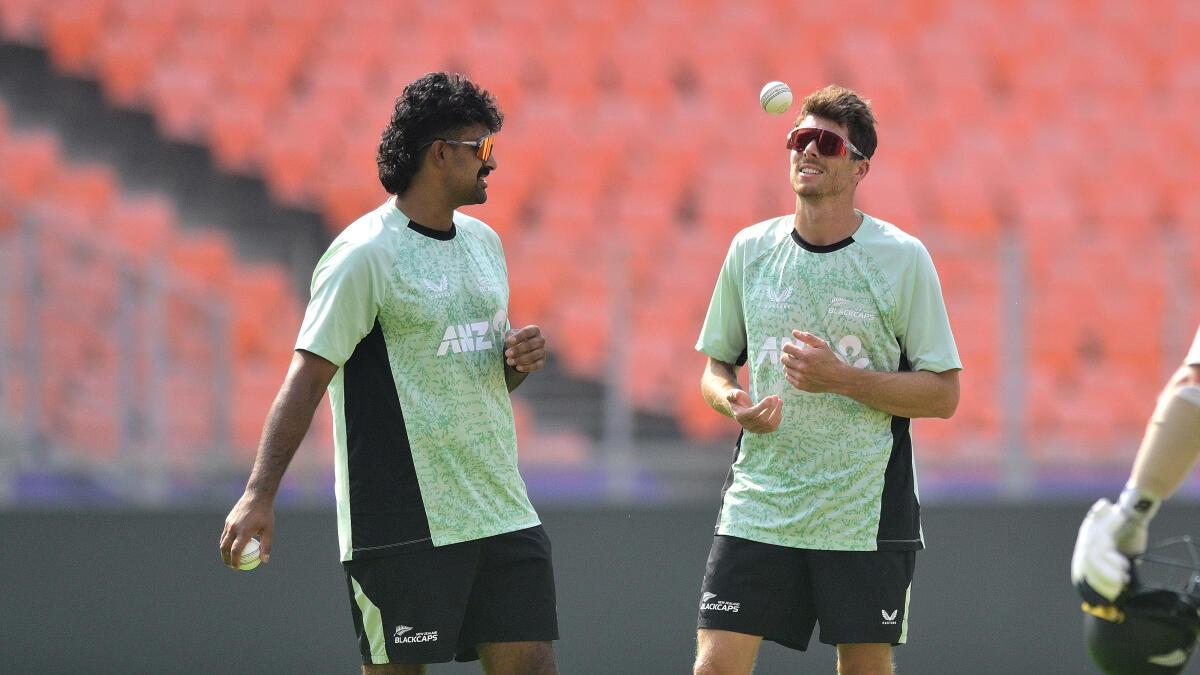
The upcoming match carries heavy consequences. For New Zealand, a second defeat would leave the side scrambling through late permutations to keep qualification hopes alive. For Sri Lanka, however, the stakes are clearer and harsher: a loss would end their prospects of reaching the semifinals.
Where the two teams stand
New Zealand enter this fixture with a marginally brighter outlook. Even if they drop this game, mathematical routes to the knockout stage may still exist — though those paths would be narrow and dependent on other results. Sri Lanka, on the other hand, face a straight knockout scenario: defeat here and their tournament is over.
Why the difference matters
The Kiwis’ situation buys them a bit more breathing room. With multiple factors — net run rate, head-to-head results and outcomes in other groups — still in play, New Zealand can afford a slip-up and hope for favourable combinations elsewhere. Sri Lanka do not have that luxury; their margin for error has evaporated.
Key areas that will decide the game
- Top-order stability: Whichever team gets its top order firing will control the tempo. Early wickets put pressure on the middle order and open up attacking fields.
- Death bowling: Finishing well in the final overs can swing the scoreboard dramatically, and teams under pressure often lose control here.
- Fielding and discipline: Tight fielding saves runs and can create extra chances. Discipline with the ball reduces easy boundaries and frustrates batters trying to accelerate.
- Handling pressure: This is a knockout-style atmosphere for Sri Lanka; how they respond mentally to the do-or-die nature will be crucial.
Players to watch
- Experienced campaigners: Senior players who have been in big tournaments before will be crucial for both composure and decision-making during high-pressure moments.
- Impact bowlers: Bowlers who can take wickets with the new ball and those who operate well in the death overs will heavily influence the match outcome.
- Finishers: Batters who can manage the chase or accelerate at the back end of the innings often decide close games.
Tactical approaches each side might adopt
New Zealand will likely back a balanced approach: solid opening partnerships to lay a platform, followed by measured aggression through the middle order and hitting out in the final overs. Their bowlers may try to choke runs in the middle overs before going all-out in death overs.
Sri Lanka, needing a win, may play with more attacking intent. Expect them to promote aggressive batters up the order on certain pitches and to use attacking field placements early to try and seize momentum. However, overly risk-heavy tactics carry the danger of quick collapses, especially under pressure.
Possible permutations and what they mean
- New Zealand win: Keeps them well in contention; improves their net run rate and reduces reliance on other results.
- New Zealand lose: Leaves them reliant on a combination of other match results and net run rate swings — still possible, but uncertain.
- Sri Lanka win: Keeps their semifinal hopes alive (depending on group math), restores confidence and puts pressure on other contenders.
- Sri Lanka lose: Their tournament ends — no semifinals and an early exit.
The psychological battle
Sports often hinge on momentum. Sri Lanka must convert urgency into positive intent rather than panic. Playing under the cloud of elimination can either sharpen focus or induce reckless choices. New Zealand’s relatively better position gives them a small psychological edge: they can play with controlled aggression, knowing a loss isn’t immediately terminal.
What fans should expect
Expect an intense contest where small moments matter: a dropped catch, a boundary off a no-ball, or a double-wicket over could tilt the match. Both teams will be trying to manage nerves while executing clear plans.
Bottom line
This is a pivotal match with very different implications for the two sides. For New Zealand, defeat would complicate their route but not necessarily end it. For Sri Lanka, everything hangs in the balance — a loss would bring their semifinal hopes to a swift close. That contrast will shape tactics, temperament and the urgency with which each side plays.