
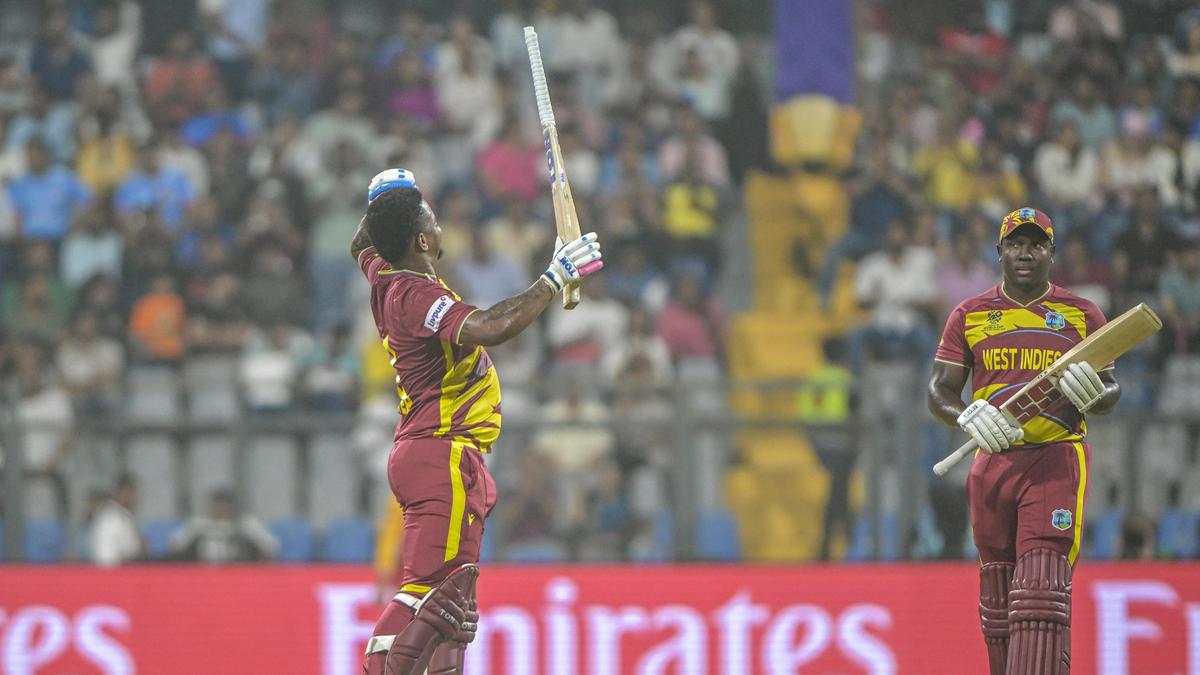
Big hitting in the shortest World Cup: the story so far
The T20 World Cup has produced some of the most explosive batting displays in international cricket. Teams have repeatedly pushed past the 200-run mark, turning matches into high-octane spectacles and rewriting scoreboards. At the very top of that list sits one innings that has proved hard to beat.
The record that still stands: Sri Lanka’s 260 for 6 (2007)
Sri Lanka’s 260 for 6 against Kenya in the inaugural T20 World Cup in 2007 remains the highest team total in the tournament’s history. That monstrous score set the benchmark for what is possible in a 20-over game at World Cup level and has become the measuring stick for domestic and international teams aiming for big totals.
Why that innings mattered
- Statement of intent: The 260-run effort showed that T20 World Cup innings could reach astronomical heights, shifting how teams approached batting in the format.
- Psychological edge: Setting such a huge total puts enormous pressure on opponents, often forcing them into an all-or-nothing chase or a defensive collapse.
- Legacy: The match helped spark a new era of fearless power-hitting and tactical innovation that we still see in World Cups today.
Trends behind the highest T20 World Cup totals
Several factors have made huge scores more frequent in World Cups:
- Bolder batting strategies: Teams now plan to score quickly from the start rather than consolidate early.
- Improved power-hitting skills: Modern training and shot-making mean batters can clear boundaries more consistently.
- Fielding restrictions and powerplays: Shorter boundaries and fielding rules allow the aggressive side to exploit gaps.
- Flat pitches and short boundaries at some venues: Conditions in certain host nations favor high scoring.
- Depth in batting line-ups: Even lower-order hitters can contribute quick runs late in the innings, pushing totals higher.
Notable high totals and memorable chases
Beyond Sri Lanka’s record, every T20 World Cup has featured innings that grabbed headlines — dominant totals from traditional powerhouses and surprising high scores from smaller nations. These matches often produce dramatic chases, record-breaking individual knocks and unforgettable moments that define tournaments.
Examples that shaped tournaments
- Explosive totals from teams like Australia, England and India have swung group dynamics and knockout hopes.
- Associate nations have occasionally posted huge scores, proving the format’s leveler effect and its capacity for surprise results.
- High team totals frequently lead to thrilling run-fests and late drama, keeping fans on the edge of their seats.
What to expect in future World Cups
As players and coaches continue to innovate, and as T20 cricket grows globally, expect the ceiling for team totals to keep rising. New training methods, evolving tactics and fearless batting mean we could yet see Sri Lanka’s 260/6 challenged. That said, bowling plans and improved fielding will also adapt, ensuring the contest between bat and ball remains compelling.
Takeaway
Sri Lanka’s 260 for 6 against Kenya in 2007 remains the standout high-water mark in T20 World Cup history. It symbolizes the explosive potential of the format and continues to inspire teams to chase big totals. Whether future tournaments will produce a new record remains an exciting part of the T20 World Cup narrative.