
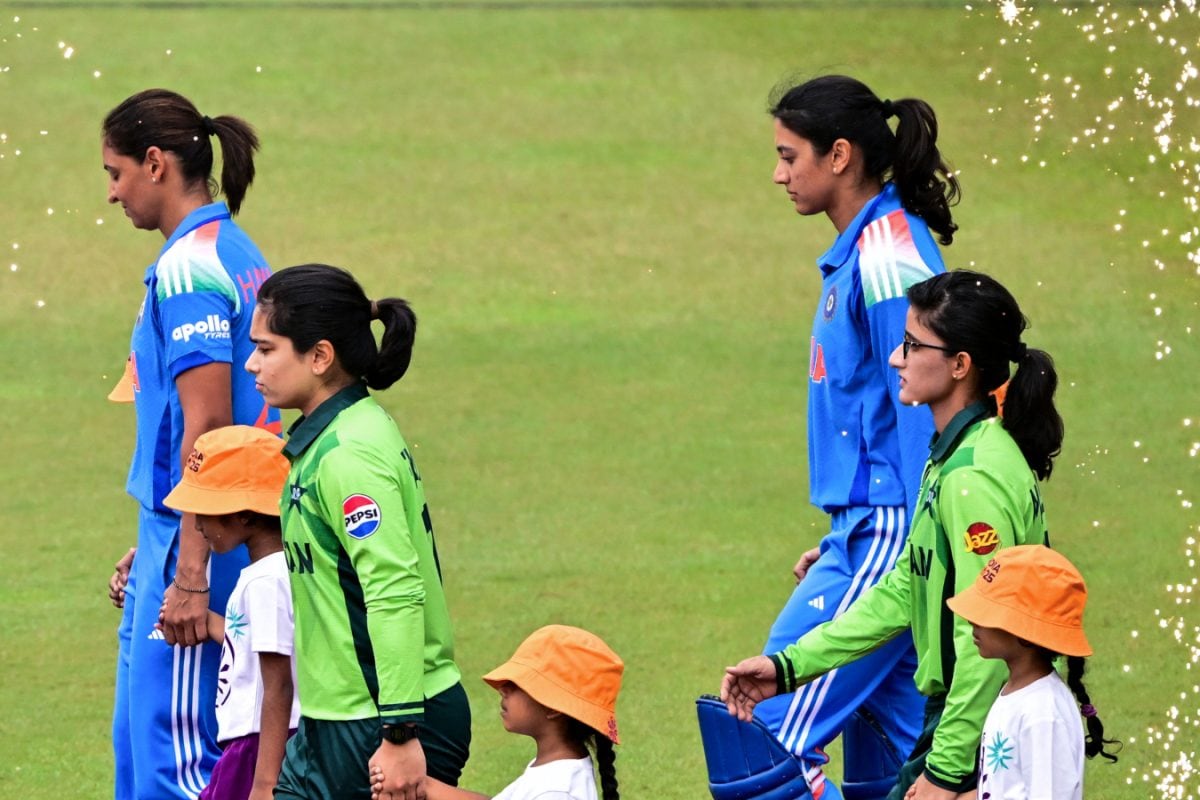
The recent grouping announcement has thrown together a stellar lineup: India and Pakistan join forces in a pool that also features Australia, South Africa, Bangladesh and the Netherlands. It is a mix of heavyweights, rising sides and a proven dark horse — a composition that guarantees high tension, tactical intrigue and plenty of must-watch fixtures.
What the group looks like
The group brings together several of world cricket’s most recognizable teams. With India and Pakistan included alongside Australia and South Africa, every match will carry weight — for points, momentum and bragging rights. Bangladesh’s continued improvement and the Netherlands’ ability to spring surprises add further spice.
Teams in the group
- India — Consistently strong in all formats, with depth across batting and bowling.
- Pakistan — Unpredictable but capable of producing brilliant spells and rapid batting displays.
- Australia — A powerful, balanced side known for aggression and discipline.
- South Africa — Organized and athletic, with a strong pace attack and solid batting resources.
- Bangladesh — Improving teams with match-winners in both departments and growing confidence.
- Netherlands — The dark horse: capable of upsets, well-drilled and dangerous on its day.
India vs Pakistan: the fixture everyone will circle
Any group that contains both India and Pakistan guarantees enormous attention. The rivalry transcends sport, meaning those matchdays will be the most watched and the most intense. Beyond the spectacle, the result will matter hugely for group standings: a single win or loss between these two could shape who advances and who scrambles for survival.
Quality and balance — no easy games
This group is not kind to complacency. Australia and South Africa bring relentless competitiveness and match management experience. Bangladesh has consistently closed the gap with traditional powers, while the Netherlands has a history of upsetting higher-ranked teams in ICC events. For India and Pakistan, even so-called “must-win” matches can be challenging.
Why depth will count
- Pitch conditions and scheduling mean teams will need rotated squads and bench strength.
- Injuries or a couple of off days can have big consequences in a tight group.
- Experienced teams tend to navigate pressure better; the ability to hold nerve in crunch moments will be decisive.
Key tactical battles to watch
Several mini-duels could define encounters within this group:
- Fast bowlers vs aggressive openers — early wickets will be crucial on most surfaces.
- Spin control in the middle overs — teams that manage the middle phase often chase down or defend totals successfully.
- Powerplay strategies — how teams set the tone in the first six overs can change the complexion of a match.
Opportunities for upsets and breakthroughs
The presence of the Netherlands and Bangladesh means there will be opportunities for shock results. Smaller teams often play without burden and can take calculated risks that upset bigger nations. For selectors and fans alike, these fixtures are also chances to spot emerging talent and fresh tactics.
Fan atmosphere and commercial impact
With India and Pakistan involved, ticket demand, viewership and social buzz will surge. Expect electric stadium atmospheres for the marquee matches and strong global interest across all fixtures. Broadcasters and fans will be glued to crucial late-stage group matches where every run and wicket could decide the path forward.
Looking ahead
Overall, this grouping promises a thrilling blend of high-stakes rivalries and compelling cricket. Teams will need consistency, sharp tactics, and a calm approach under pressure to navigate a demanding schedule. For neutrals and supporters alike, the stage is set for memorable contests, surprise results and a tournament full of talking points.