
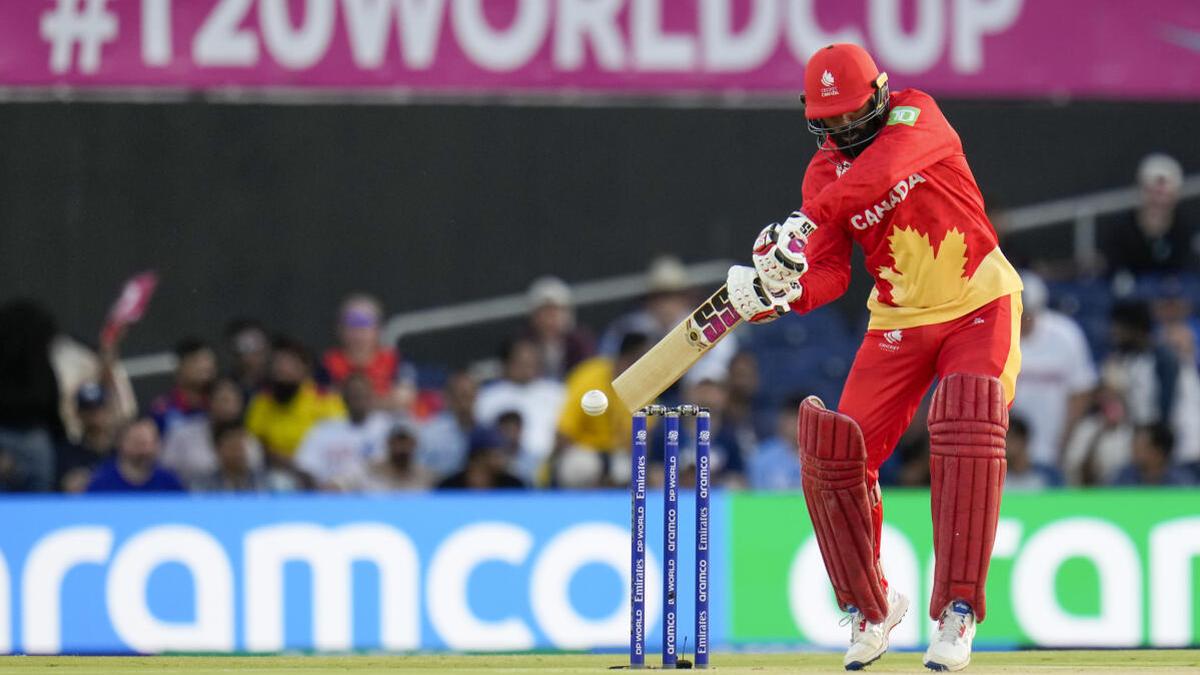
Stiff Challenge Awaits the Dilpreet Bajwa-led Side in Group D
The Dilpreet Bajwa-led side has been drawn into a daunting Group D, where they will face Afghanistan, New Zealand, South Africa and the UAE. On paper, it’s one of the tougher pools in the competition, stacking up seasoned Test and limited-overs nations against a team still looking to make its mark.
What makes Group D so tough?
- Afghanistan — A side known for its potent spin attack and confident middle-order batting. They can be treacherous on turning tracks and have shown the ability to choke runs and pick up wickets in clusters.
- New Zealand — Consistently well-drilled, with a balanced bowling unit and a temperament suited to big tournaments. Their fielding and tactical acumen often make the difference in tight games.
- South Africa — Traditionally strong in pace bowling and power hitting, South Africa’s depth across departments makes them dangerous on most surfaces.
- UAE — An improving side familiar with subcontinental conditions and capable of springing surprises, especially if they find early momentum.
Key areas the Bajwa side must focus on
To stand a chance of progressing, the team captained by Dilpreet Bajwa will need to sharpen a few critical aspects of their game:
- Bowling versatility: Being able to adapt bowling plans to different conditions — from seam-friendly pitches to slow, turning tracks — will be crucial. Mixing pace, swing and spin smartly could create opportunities against top-order batsmen.
- Middle-order stability: Against attacks that can exploit early wickets, having reliable batters who can absorb pressure and rebuild innings will make the difference in knockout calculations.
- Fielding intensity: High standards in the field can save crucial runs and change matches. Agile ground fielders and safe hands in the outfield are non-negotiable at this level.
- Match-ups and planning: Identifying individual match-ups and tailoring strategies for opponents — for instance, bowling plans for Afghanistan’s key batters or New Zealand’s finishers — will be vital.
Tactical approaches to consider
- Attack with intent early: Aggressive bowling in the powerplay can create pressure and potentially expose inexperienced top-orders.
- Flexible batting order: Promote in-form hitters when quick runs are needed, and send calming presences when wickets tumble.
- Use of spin and pace wisely: Rotate bowlers smartly—bring on spinners to exploit any turn and use pace in short, aggressive bursts to maintain tempo.
- Fitness and rotation: With a compact schedule, managing player workloads and keeping the squad fresh could be a competitive edge.
Upside and opportunities
Despite the tough draw, Group D also offers opportunities. A couple of well-timed wins can transform the campaign — beating a higher-ranked team early can boost confidence and put pressure on the others. For the Bajwa side, this is a chance to showcase growth, expose young talents on a big stage and test their resolve against top-tier opposition.
What fans should watch for
- How Dilpreet Bajwa handles captaincy decisions under pressure — field placements, bowling changes and batting order shuffles.
- Which players step up in key moments — whether a young batter anchors an innings or a seamer picks up critical breakthroughs.
- Adaptation to different venues and conditions — quick learning could be the difference between early exits and a surprise run.
Outlook
Group D is a stern test for any side, and the Bajwa-led team will need consistency, smart tactics and fearless performances to progress. While the road is difficult, tournaments are won by teams that seize moments. If they can combine discipline with a few standout individual displays, they could make this a memorable campaign rather than a mere learning experience.