
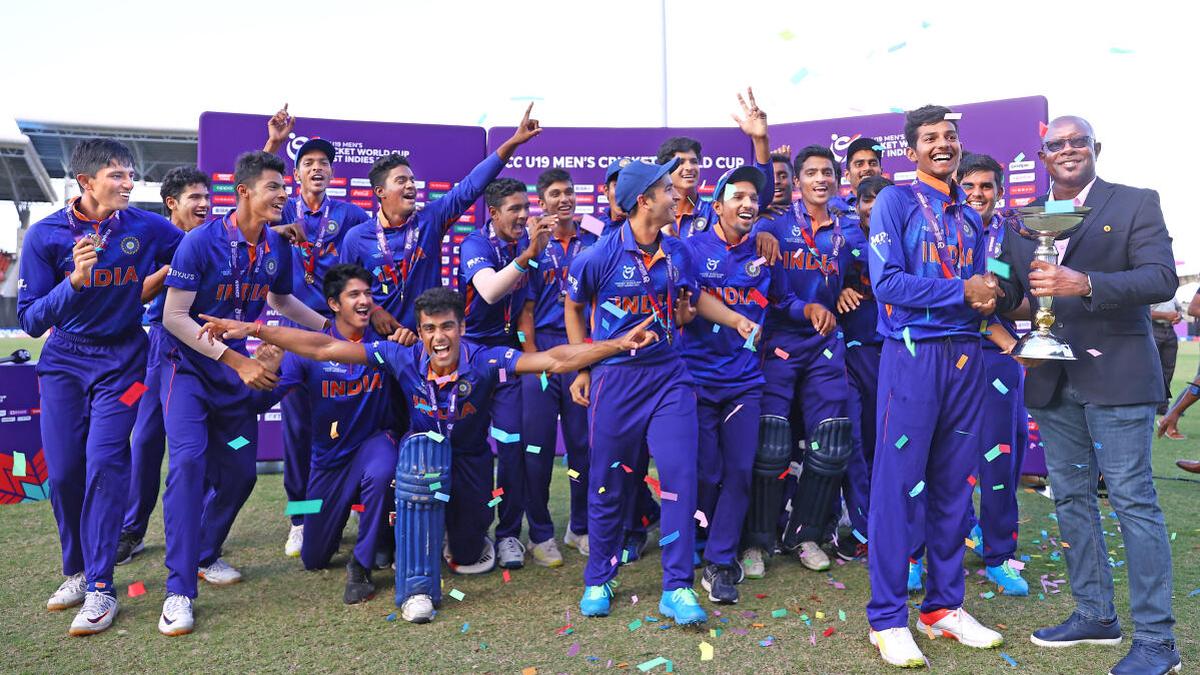
ICC Under-19 World Cup 2026 — what to expect from the schedule and format
The ICC Under-19 World Cup gets underway on 15 January 2026. This tournament is cricket’s premier junior event and a proven springboard for the next generation of international stars. Below is a clear, fan-friendly guide to the schedule layout, fixture patterns, typical match timings and the competition format so you know exactly how the event will unfold.
Quick snapshot
- Start date: 15 January 2026
- Length: Runs across roughly three weeks (group stage, second phase, knockouts)
- Team makeup: The competition uses the familiar 16-team structure seen in recent U19 World Cups — four groups of four teams
- Stages: Group stage → Super Six (second phase) → Semi‑finals → Final
Format explained — step by step
The 16-team format is simple to follow and makes every group match important.
- Group stage: Four groups of four teams. Each team plays the other three in its group once.
- Points: Win earns two points, tie or no-result earns one point, loss earns zero points.
- Tie-breakers: Net run rate is used if teams finish level on points, then head-to-head and other ICC criteria if needed.
- Second phase (Super Six): The top two teams from each group advance to the Super Six stage. Teams carry forward the points earned against the other qualifying team from their original group, then play the two qualifiers from another group.
- Knockouts: The best-performing teams from the Super Six progress to the semi-finals, with the winners meeting in the final to decide the champion.
- Placement matches: Teams that don’t make the Super Six usually play classification matches so every team finishes with a ranking and valuable match experience.
How the fixtures are organised
The schedule is designed to balance plenty of competitive cricket with rest and recovery for young players. Here’s how match days are typically organized:
- Group stage window: The group round usually takes place across the first 8–10 days, with multiple matchdays and occasional rest days.
- Super Six window: After the group stage there’s a short break, then the Super Six matches run over the next week.
- Knockout weekend: Semi‑finals and final are scheduled toward the tournament’s closing days, often with a reserve day for the final.
- Multiple venues: Matches are spread across several stadiums to allow for concurrent fixtures and to manage pitch wear.
Match timings — what fans should expect
Exact start times are given in local time by the tournament organisers, but the usual windows are:
- Morning/day matches: Around 09:30–10:30 local time. These matches suit cooler conditions and are common in venue clusters.
- Afternoon matches: Typical starts around 14:00–15:00 local time.
- Match length: Under‑19 internationals are 50‑over matches per side, so expect games to last roughly 3.5–4.5 hours depending on over rates and interruptions.
- Reserve days: Knockout matches often have a reserve day scheduled to account for weather interruptions.
Tip: Check the local time zone for each venue when following fixtures. Match times published by organisers are local to the host cities and will need conversion depending on where you are.
Reading the fixture list
When the full fixture list is published, here’s how to read it quickly:
- Date & start time — local time for the venue.
- Match number — helps track the tournament progression (group matches followed by Super Six and knockout match numbers).
- Venue — stadium name and city; multiple matches may be scheduled at the same venue on a single day.
- Team legs — group designation (Group A–D) and whether the match counts toward group standings or the Super Six.
Key moments to watch for
- Opening match — sets the tone and introduces many squads to the tournament stage.
- Crucial group derbies — matches between traditional youth powerhouses often decide who advances.
- Super Six clashes — where points carried forward can make or break semifinal hopes.
- Semi-finals and final — high-pressure games that reveal future international stars.
Tips for fans
- Plan around the published local start times and convert to your time zone before match day.
- Look out for squad lists and team news ahead of the opening matches — many young players will be making their first big international appearance.
- Follow match-by-match updates if you can’t catch full coverage; scorecards and highlights are often updated quickly after each result.
Final note
The ICC Under-19 World Cup is a compact, action-packed tournament where every game counts. With the event kicking off on 15 January 2026, fans can expect three weeks of competitive cricket, rising talent and memorable moments. When the full fixture list and venue schedule are released, the structure above will make it easy to follow every stage — from group clashes to the final.