
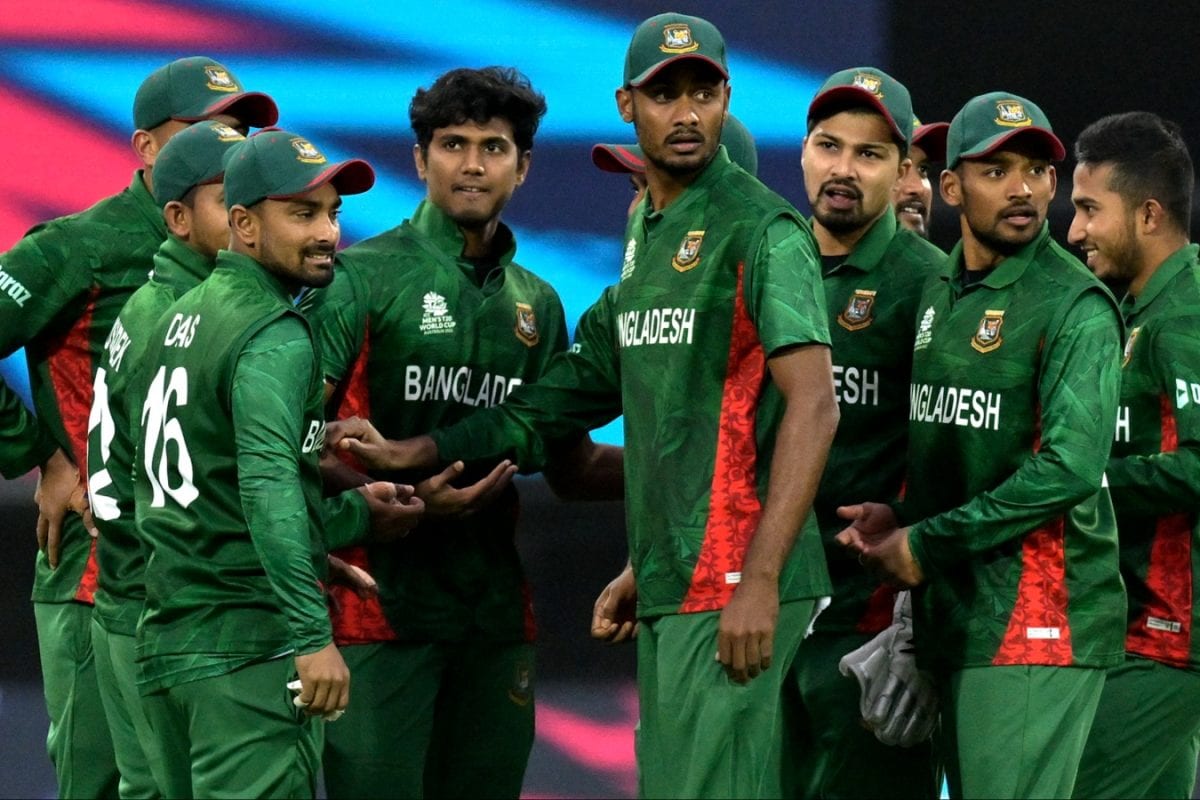
A Bangladesh Cricket Board (BCB) official has warned that national players would suffer a financial hit if the board decides not to send the team to India, because they would not receive match fees for the cancelled tour. The comment adds a fiscal dimension to what is usually framed as a sporting or logistical decision.
Why match fees matter
Match fees form a significant part of many international cricketers’ income. Beyond central contracts and retainers, payments for appearances, series bonuses and performance incentives help players support families and manage careers that can be short and uncertain.
When a tour is called off or a team withdraws, those payments usually do not get triggered. For many Bangladesh players—especially those not on the top tier of central contracts—the loss of match fees can be a meaningful reduction in annual earnings.
Who is affected most?
- Fringe and newly established players: Those who rely on match-by-match earnings rather than large retainers.
- Domestic dependents: Players with fewer sponsorships or outside income streams.
- Support staff and travelling reserves: While not always covered the same way, any ancillary payments tied to tours can also be lost.
Broader consequences of not touring
Choosing not to travel has more than just an immediate pay impact. It can affect player morale, match readiness and future selection. Missing high-profile series also reduces exposure for players, which in turn can influence future contracts and endorsements.
Possible ripple effects
- Reduced competitive match time ahead of major tournaments.
- Potential strain between the board and players if financial losses are not mitigated.
- Contract and insurance discussions that might become more prominent in future scheduling decisions.
What options are open to the BCB?
The BCB could consider a few routes to soften the blow if a decision to stay away is taken. While the official comment highlighted the immediate financial consequence, practical remedies may include:
- Exploring discretionary payments or hardship support for affected players.
- Negotiating partial compensation with host boards or tournament organisers, where possible.
- Reviewing central contract structures to provide better baseline security for players.
- Checking insurance policies and government support mechanisms that can cover cancellations for health or security reasons.
What to expect next
Decisions about international tours usually involve several stakeholders—the cricket board, team management, government agencies and sometimes players’ associations. Any final call on travelling to India will likely be taken after consultation and with an eye on both player welfare and financial consequences.
For now, the BCB’s reminder that players would lose match fees if the tour is cancelled puts clear pressure on decision-makers to weigh the human and economic costs alongside safety and logistical concerns.