
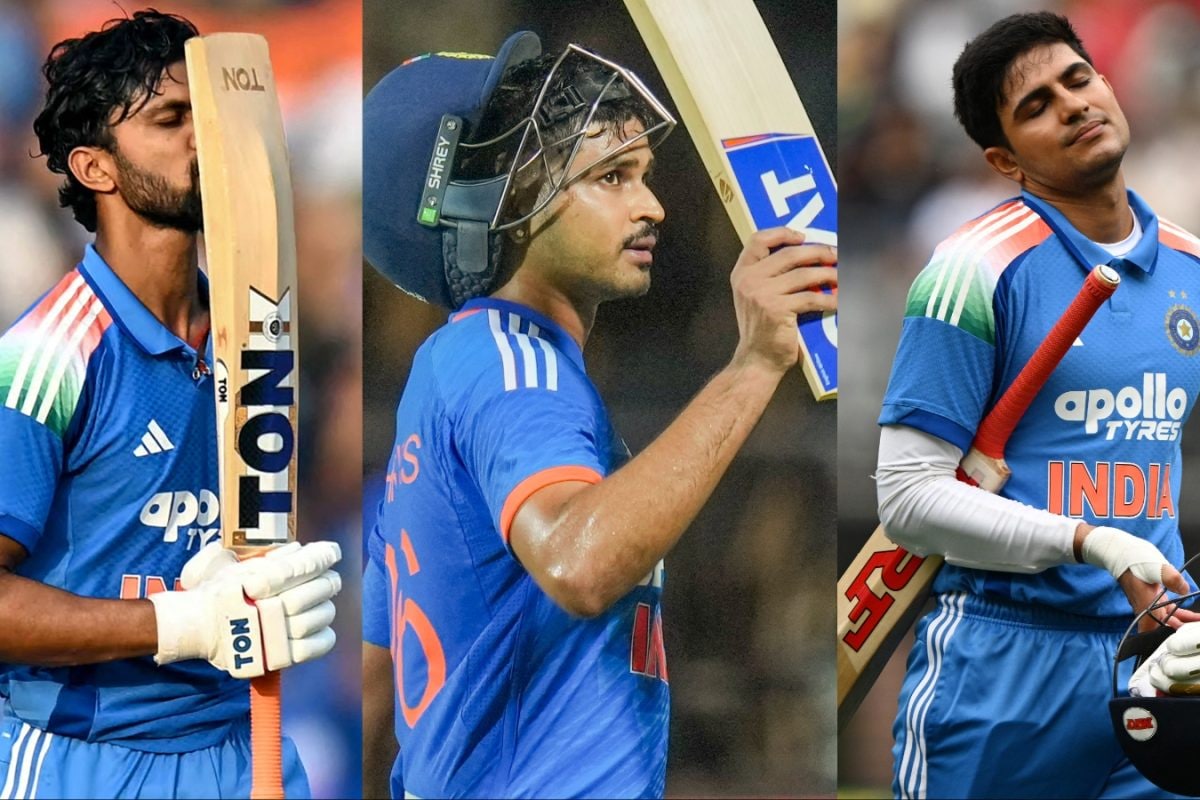
India’s ODI squad for the three-match series against New Zealand, starting on January 11, has undergone notable change: three players have been left out of the squad. The alteration signals the selectors’ intent to fine-tune the white-ball setup ahead of a busy international calendar and gives fresh opportunities to those on the fringes.
What the changes mean
Losing a place in the national squad is never easy, but these decisions are part of the larger selection process. Dropping three players suggests selectors wanted to address balance, form and workload heading into a compact schedule. For India, where depth is strong, such moves are a reminder that consistent performance is required to hold a spot.
Likely reasons behind the cuts
- Form and recent performances: International and domestic form often drives selection. Players who have struggled to convert starts or have been inconsistent are at greater risk.
- Workload management: With multi-format cricket packed into the season, senior players are sometimes rested or rotated to keep them fresh for bigger assignments.
- Team balance and conditions: Conditions in New Zealand can favour seamers and agile fielders. Selectors may prefer players whose skills suit those conditions.
- Competition for places: A strong pool of all-rounders, fast bowlers and middle-order options means small margins decide who makes the cut.
Opportunity for others
Every selection shake-up opens the door for someone else. Fringe players waiting on the sidelines will see this as a chance to stake a claim. Young batsmen or bowlers with recent domestic success might find themselves given the ball or a spot in the batting order to showcase their potential at the international level.
What the newcomers must show
- Adaptability: Ability to read conditions quickly and adjust game plans, especially in seaming conditions.
- Fielding impact: High standards in the field are often the differentiator in modern limited-overs cricket.
- Role clarity: Executing a clear role—finisher, power-hitter, new-ball seamer, or death-overs specialist—will help cement a place.
Series context and stakes
The three-match ODI series against New Zealand is a strong early-year test. New Zealand play well at home and are typically disciplined with both bat and ball. For India, the series is a chance to test combinations, sharpen white-ball strategies and give game time to those who might feature in bigger tournaments ahead.
Key things to watch
- How the team manages pace vs swing in New Zealand conditions.
- Whether younger or less-experienced players can seize the opportunities created by the squad changes.
- How the batting order settles and who steps up in the middle overs.
Final thought
Selection is a moving target in modern cricket. Dropping three players from the ODI squad is significant but not final—good performances at domestic level or in other formats can quickly put players back in contention. For India, the New Zealand series starting January 11 will be an early indicator of which combinations might work going forward and which players are ready to take the next step.