
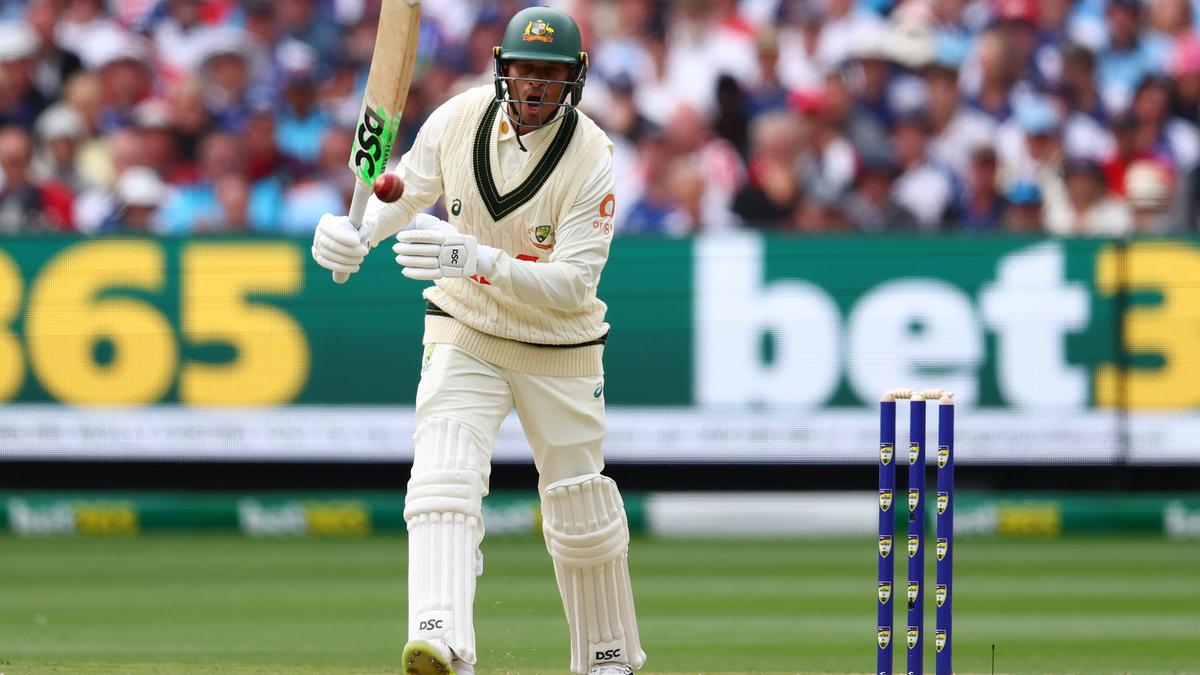
Usman Khawaja: a visible symbol of diversity in Australian cricket
Usman Khawaja’s journey from a childhood move across continents to the highest levels of international cricket is as much about runs and technique as it is about identity and representation. Born in Pakistan and raised in Sydney from the age of five, Khawaja has long stood out as a visible reminder that modern Australian cricket reflects a multicultural nation.
From Islamabad to Sydney
Khawaja arrived in Australia as a young child and grew up in Sydney, learning his cricket on suburban fields while navigating the challenges and opportunities of life in a new country. That early cross-cultural experience has shaped how many people, especially from immigrant communities, see him: not only as a top-class cricketer but as someone who embodies a broader Australian story.
The cricketer: style and substance
On the field, Khawaja is admired for his elegant left-handed batting and calm presence at the top of the order. He has been a steady performer in Test cricket and a dependable option across formats when called upon. His technique, temperament and ability to play long innings have made him a regular figure in discussions about Australia’s top-order strength over recent seasons.
Beyond individual scores, Khawaja’s game has often been defined by resilience. He has pushed through periods out of the side, fought his way back into form, and shown the sort of grit that selectors and teammates value. That resilience mirrors his off-field role as someone who quietly shoulders the expectations of being a role model for many young cricketers from diverse backgrounds.
Breaking barriers and inspiring others
Because he was born in Pakistan and grew up in Australia, Khawaja’s presence in the national team carries symbolic weight. He has been a standard-bearer for diversity — a living example that talent and commitment are what matter most on the field, regardless of origin. For Muslim and South Asian communities in Australia, and for families who migrated seeking new opportunities, Khawaja represents what is possible.
His visibility matters in practical ways too. Young players who see someone with a similar background wearing the Baggy Green get a tangible reminder that they belong in elite sport. That kind of representation helps broaden the talent pool and encourages community engagement with cricket at grassroots levels.
Leadership by example
Khawaja’s influence extends beyond runs and records. His conduct, interviews and public appearances have often highlighted humility, a strong work ethic and an inclusive approach to team culture. Those traits make him a natural leader in dressing rooms and a steadying presence when Australia needs composure.
Legacy and continuing influence
Usman Khawaja’s story is still being written, but his impact is already clear. He has helped shift perceptions about who can wear the Australian cap and what the pathway to the national team looks like. Beyond the immediacy of matches and statistics, his career has helped normalise diversity within Australian sport and inspire the next generation of players from varied backgrounds.
As Australian cricket continues to evolve, Khawaja’s role — both as a talented batsman and as a symbol of multicultural success — will remain a memorable chapter in the game’s history. For many fans and young cricketers, he stands as proof that the game is for everyone and that talent, wherever it begins, can find a home on the biggest stages.